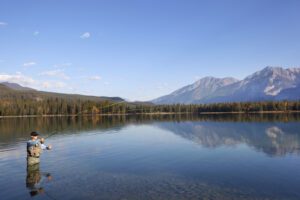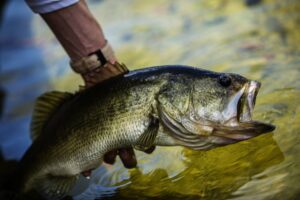


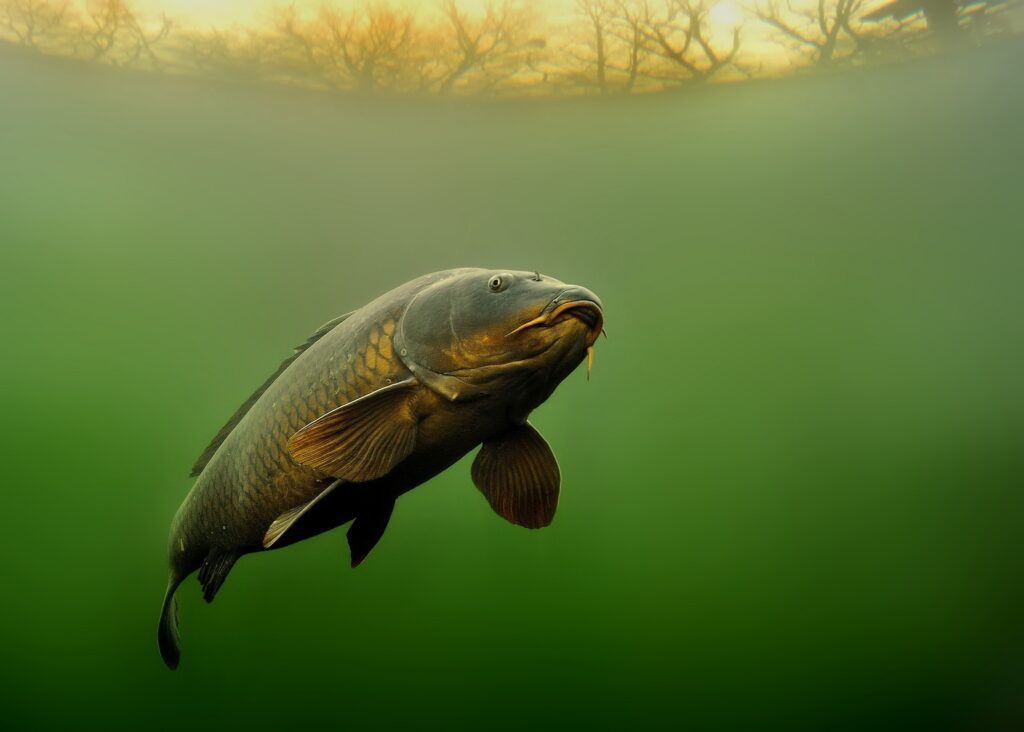
Carp are a freshwater fish species that are known for their large size, strength, and hard-fighting nature. They are found in many bodies of water worldwide, including lakes, rivers, and ponds. Carp are omnivorous, feeding on a wide variety of plant and animal matter, including insects, crustaceans, and small fish. They are most active during the warmer months, but can be caught year-round. Carp are known for their cautious and skittish behavior, making them a challenging target for anglers. Understanding their habits, feeding patterns, and behaviors is essential for successful carp fishing. Now lets get into some of the basics that you must know before heading out on the water!
Rods
Carp rods are typically longer and stronger than other fishing rods. Look for a rod between 10-12 feet long with a test curve of 2.5-3.5lbs.
Reels
Choose a reel with a high line capacity and a smooth drag system. Spinning reels are popular for carp fishing.
Line
Monofilament or fluorocarbon lines with a breaking strain of 10-15lbs are suitable for carp fishing. Alternatively, braided lines with a breaking strain of 30-50lbs are also popular.
Terminal Tackle
Hooks, swivels, and weights are essential terminal tackle for carp fishing. Hair rigs are commonly used to present baits to carp effectively.
Baiting Tools
A variety of baiting tools are used for carp fishing, including baiting needles, boilie stops, and baiting spoons.
Carp Nets
A large, sturdy carp net is essential for safely landing and releasing carp.
Bite Alarms
Bite alarms are electronic devices that alert anglers when a fish is biting. They are a useful tool for carp fishing, especially when fishing multiple rods.
PVA
PVA (polyvinyl alcohol) is a water-soluble material that can be used to create bags or mesh for delivering bait to specific areas.
Polarized Sunglasses
Polarized sunglasses are essential for carp fishing to help you see carp and other fish in the water.
Fishing Chair
A comfortable and sturdy fishing chair is essential for long carp fishing sessions.
Assembling a basic carp fishing rig can be pretty simple, here are some tips that will help get you started;
Select Your Rod and Reel
Choose a carp rod and reel that is appropriate for your fishing location and target fish species.
Tie on Your Mainline
Tie your mainline to the reel, ensuring it is secure and free of knots.
Add a Swivel
Attach a swivel to the end of the mainline using a knot. This will prevent line twist and allow for easy attachment of the leader.
Add a Leader
Tie a leader to the swivel using a knot. The leader should be made of a material that is less visible in the water than your mainline.
Tie on Your Hook
Tie your hook to the end of the leader using a knot or a hair rig. The hook size will depend on the size of the bait you plan to use.
Select Your Bait
There are many different types of bait that are effective for carp fishing, including boilies, sweetcorn, pellets, and bread. Choose a bait that is appropriate for your fishing location and target fish species.
Bait Your Hook
Thread your bait onto the hook, ensuring it is secure and properly positioned.
Add Weight
Depending on your fishing location and conditions, you may need to add weight to your rig to ensure it sinks properly. This can be achieved using split shot or a lead weight.
Set Your Depth
Adjust your rig depth to ensure your bait is at the right depth for the fish you are targeting.
Cast Your Line
Cast your line out to the desired location and wait for a bite.
Remember, carp are omnivorous and will eat a wide range of baits. Experiment with different baits and rig setups to find what works best for you and the fish in your area. We’ve included a video below which shows all the basics of setting up a carp rod for carp fishing in case you need a visual representation.
Boilies
Boilies are the most popular and effective bait for carp fishing. These are small, round balls of dough made from a mixture of ingredients such as fishmeal, birdseed, and eggs. Boilies come in a wide range of flavors and sizes, making them a versatile bait for carp fishing. Some popular flavors include strawberry, banana, and crab. You can use them on their own or as part of a bigger baiting strategy.
Pellets
Pellets are compressed bits of bait that are made from a mixture of ingredients such as fishmeal, soybean meal, and corn gluten meal. Pellets come in various sizes and flavors, and can be used as a standalone bait or as part of a larger baiting strategy. They can be soft, hard or even pre-drilled which makes them easy to attach to a rig.
Particle Baits
Particle baits are a mixture of various particles such as hemp, corn, and wheat, that are boiled until they are soft and then mixed with a sweetener or other attractant. They are a cheap and effective bait for carp fishing, and they can be used on their own or as part of a larger baiting strategy. Popular particle baits include hempseed, tiger nuts, and sweetcorn.
Other baits
Apart from the above baits, there are several other baits that can be used for carp fishing. These include maggots, worms, bread, and even dog food. While not as effective as boilies, pellets, or particle baits, they can still be used to catch carp if used correctly.
Baiting strategies:
Single bait
Using a single boilie, pellet or particle bait can be an effective way to catch carp. Simply cast out your bait, and wait for the carp to take it.
Zig rigs
Zig rigs are a type of rig that allows you to fish your bait at various depths in the water column. This can be an effective strategy when the carp are not feeding on the bottom.
Spodding
Spodding involves casting a spod or bait rocket filled with bait out to a desired area. The spod then opens up, releasing the bait onto the water. This can be an effective way to create a feeding area for the carp.
Pre-baiting
Pre-baiting involves introducing small amounts of bait to a particular area over a period of time. This can be an effective way to get the carp feeding confidently in one spot, increasing your chances of catching them.
PVA bags
PVA bags are small, mesh bags that are filled with bait and attached to your rig. When the bag hits the water, it dissolves, releasing the bait. This can be an effective way to get your bait right in front of the carp.
just remember, there are many different types of baits and baiting strategies for catching carp. Experimenting with different baits and strategies is the key to success in carp fishing. If you’re ever in doubt, it always pays to speak to your local fish shop, they usually have lots of tips for fishing in your area and may even let you know about their favorite spots that yield a lot of fish!
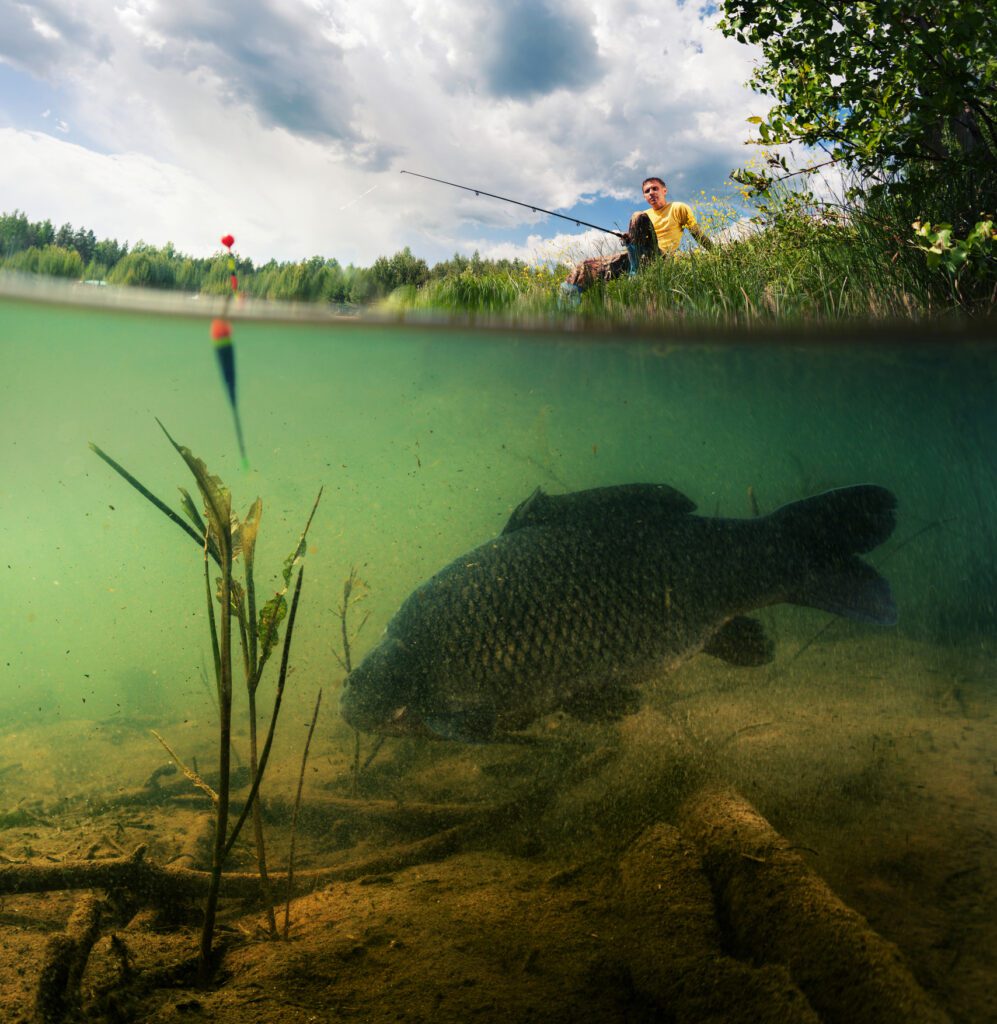
Grip
Start by gripping the rod handle firmly but not too tightly. This will help you maintain control over the rod and make accurate casts.
Stance
Stand with your feet shoulder-width apart, facing towards the water. This will help you maintain balance and stability while casting.
Line Management
Ensure that your line is free of any tangles or twists before casting. Pay attention to the wind direction and adjust your casting angle accordingly.
Casting Methods
There are different casting methods for different situations when carp fishing:
a. Overhead Cast
This is the most common casting method used in carp fishing. To perform an overhead cast, hold the rod upright, and bring it back over your shoulder before flicking it forward towards the water. The power of the cast comes from the flick of the wrist.
b. Sidearm Cast
The sidearm cast is useful when there are obstacles such as trees or bushes behind you. To perform a sidearm cast, hold the rod parallel to the ground, and bring it back to your side before flicking it forward towards the water.
c. Roll Cast
The roll cast is useful when you have limited space for backcasting. To perform a roll cast, hold the rod parallel to the water, and use a quick flick of the wrist to roll the line out onto the water.
Practice
Practice your casting technique regularly to improve your accuracy and distance. Start by casting to a specific target and gradually increase the distance as your skills improve.
Keep it Simple
Remember, the key to successful casting is to keep it simple. Don’t overcomplicate things by trying to cast too far or using complex casting techniques. Focus on accuracy and consistency, and the catches will come.
Effective and accurate casting is crucial for successful carp fishing. Pay attention to your grip, stance, line management, and casting technique, and practice regularly to improve your skills. Use the right casting method for different situations, and keep it simple to increase your chances of catching carp.
Lakes
Carp in lakes can often be found in deeper water or near underwater structures such as weed beds, drop-offs, or sunken trees. Look for signs of carp activity such as bubbles or disturbances on the surface of the water. Use a fish finder to locate carp schools in deeper water.
Rivers
In rivers, carp tend to congregate in slow-moving or still water, such as eddies or behind large rocks or boulders. Look for signs of carp activity such as mud clouds or surface disturbances. Carp will also be attracted to the deeper water in river bends and slow-moving pools.
Ponds
Carp in ponds can often be found in shallow areas near the edges, where they can feed on insects and vegetation. Look for signs of carp activity such as bubbles or surface disturbances. Carp may also be found near underwater structures such as logs or weed beds.
Time of Day
Carp tend to be more active during early morning and late afternoon when the water is cooler. During the middle of the day, they may be found in deeper water or in areas with more shade.
Weather Conditions
Carp tend to be more active during warm, sunny weather. During cloudy or rainy weather, they may be found in deeper water or in areas with more cover.
Food Sources
Carp will often congregate near areas with a plentiful food source such as overhanging trees or vegetation. Look for signs of carp feeding, such as bubbles or surface disturbances, to locate potential feeding areas.
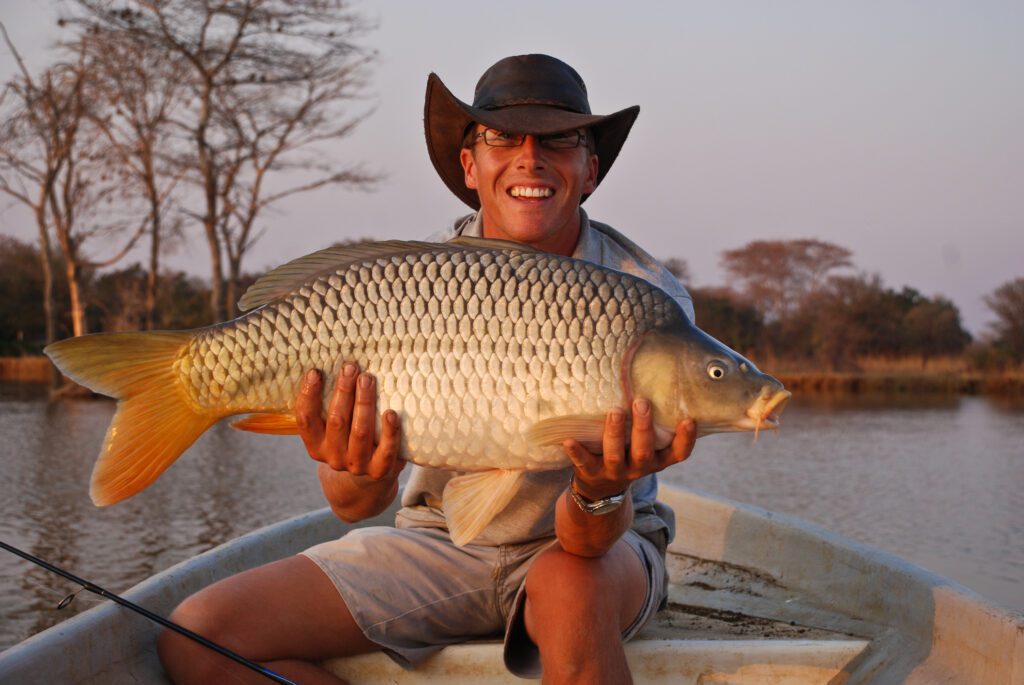
Use the Right Equipment
Use a rod with a good backbone and a reel with a strong drag system to ensure that you can handle the weight and power of a large carp. Use a landing net to safely bring the fish to shore.
Play the Fish Carefully
When a carp takes your bait, avoid jerking the rod or reeling in too quickly. Let the fish run and tire itself out before attempting to reel it in.
Keep the Line Tight
Always keep the line tight to avoid the fish shaking off the hook or breaking the line. Use the drag system on your reel to control the fish and avoid snapping the line.
Play the Fish Vertically
Keep the fish close to the surface and play it vertically to tire it out more quickly. Avoid letting the fish dive too deep or swim under any underwater structures.
Use a Landing Net
Use a landing net to safely bring the fish to shore. Hold the net in the water and guide the fish gently into the net.
Handle the Fish Gently
Once you have landed the fish, handle it gently and avoid damaging the fish’s fins or scales. Wet your hands before handling the fish to avoid removing the protective slime on its skin.
Unhook the Fish Safely
Use a pair of pliers to carefully remove the hook from the fish’s mouth. If the hook is deeply embedded, cut the line close to the hook and leave it in the fish’s mouth rather than causing further damage by trying to remove it.
Release the Fish Carefully
If you are releasing the fish, gently hold it in the water until it is ready to swim away. Avoid throwing the fish back into the water or dropping it onto the bank.
Playing and landing carp safely and effectively requires using the right equipment, playing the fish carefully, keeping the line tight, using a landing net, handling the fish gently, unhooking the fish safely, and releasing the fish carefully. By following these tips, you can ensure that you are a responsible and ethical angler while also enjoying the thrill of carp fishing.
Using the Wrong Gear
One of the most common mistakes is using gear that is not strong enough to handle the weight and power of a large carp. Make sure to use a rod and reel with the appropriate weight and line strength.
Setting Up Your Rig Incorrectly
Another common mistake is setting up your rig incorrectly. Make sure to tie your rig correctly, use the right hook size, and adjust the length of the leader based on the water conditions.
Not Using the Right Bait
Using the wrong bait can also be a common mistake. Research the types of bait that are effective for carp in your location and use a variety of baits to see what works best.
Casting Incorrectly
Casting can be challenging for beginners, and casting too far or too close to the bank can result in fewer bites. Practice casting in different conditions to improve your accuracy and distance.
Not Paying Attention to the Weather
Weather conditions can affect carp behavior and feeding patterns. Pay attention to the weather and adjust your fishing techniques accordingly.
Not Being Patient
Carp fishing can require a lot of patience, and beginners may become frustrated if they don’t get a bite right away. Relax, enjoy the experience, and be patient.
Not Using a Landing Net
Not using a landing net can be dangerous for both the angler and the fish. Always use a landing net to safely bring the fish to shore.
Mishandling the Fish
Mishandling the fish can result in injury or death. Always handle the fish gently and avoid damaging its fins or scales.
These common mistakes have been seen time and time again by experienced anglers taking newbies out on fishing adventures. By taking the time to learn the basics and practicing good techniques, beginners can avoid these mistakes and enjoy a successful and rewarding fishing experience.
In conclusion, carp fishing is a fun and rewarding activity that can be enjoyed by beginners and experienced anglers alike. Whether you are fishing in a pond, river, or lake, there are a variety of strategies and techniques you can use to increase your chances of catching carp.
As a beginner, it is important to do your research, choose the right gear and bait, and practice good techniques to avoid common mistakes and ensure a successful and enjoyable experience. Remember to be patient, stay focused, and enjoy the beauty and tranquility of the water while waiting for the next big catch.
By following the tips and techniques outlined in this article, beginners can develop the skills and knowledge they need to become successful carp anglers. With time and practice, you can master the art of carp fishing and create memories that will last a lifetime. So get out there, cast your line, and enjoy the thrill of the catch!
As an avid fisherman myself, I know firsthand how important it is to have access to accurate information and reliable gear when it comes to catching the big one. That's why I started Fishing Tips Pro - to provide fellow anglers like you with a one-stop-shop for all things fishing.
Whether you're a seasoned pro or a novice just starting out, our team of experts is dedicated to bringing you the latest and greatest in fishing tips, techniques, and gear reviews. We cover everything from fly fishing for trout in mountain streams to trolling for giant marlin in the deep blue sea.
But Fishing Tips Pro isn't just about information - it's about community. We believe that the best way to improve your skills and increase your enjoyment of the sport is to connect with other anglers who share your passion. That's why we encourage our readers to join the conversation by commenting on our articles, sharing their own tips and stories, and connecting with us on social media.
So if you're looking for a reliable source of fishing information and a supportive community of fellow anglers, you've come to the right place. Welcome to Fishing Tips Pro - we can't wait to help you catch your next big fish and read your story about it!