
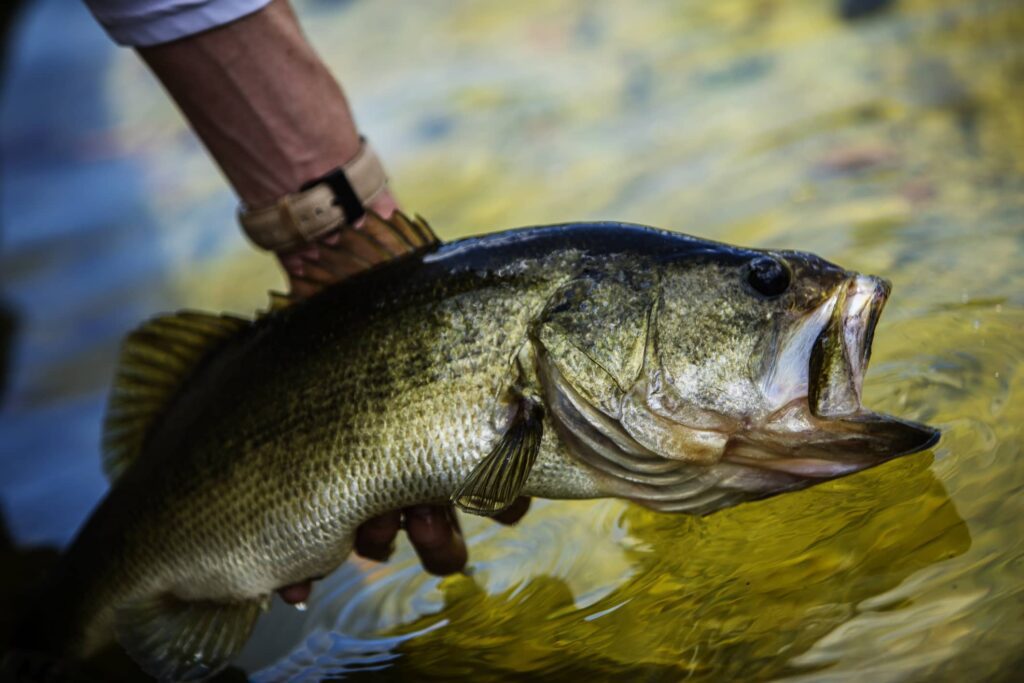
As avid anglers and nature enthusiasts, we often find ourselves drawn to the tranquil waters of lakes, rivers, and streams, seeking the thrill of the catch and the respite that only Mother Nature can provide. Among the many inhabitants of these freshwater ecosystems, two species stand out as the prized adversaries of anglers worldwide: the Largemouth Bass and the Smallmouth Bass. These iconic game fish share commonalities but possess distinct characteristics that set them apart, making each encounter with them a unique experience.
In this article, we embark on a journey to unravel the key differences between the formidable Largemouth Bass (Micropterus salmoides) and the spirited Smallmouth Bass (Micropterus dolomieu). We’ll explore their appearance, preferred habitats, feeding behaviors, and how these traits influence our angling techniques. Whether you’re a seasoned bass fishing enthusiast or a curious newcomer to the sport, understanding these distinctions will undoubtedly enhance your success on the water.
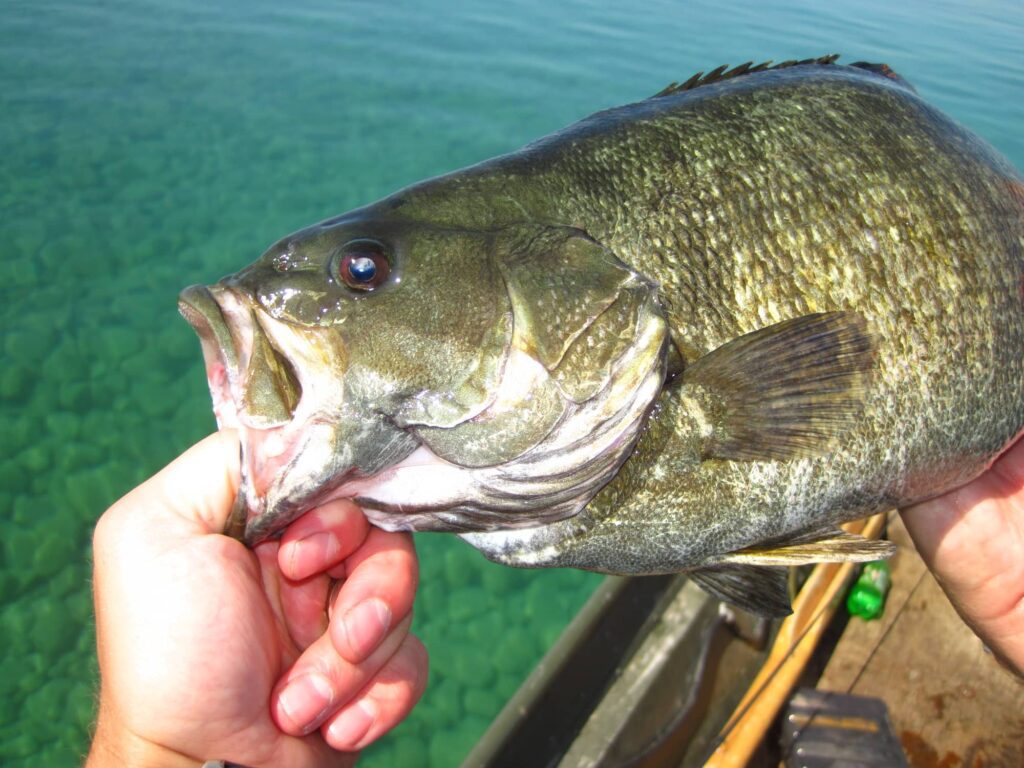
Largemouth bass and smallmouth bass, both iconic freshwater game fish, exhibit distinct characteristics that set them apart in the fishing world.
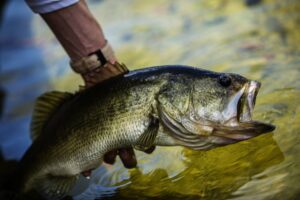
One of the primary differences lies in their physical appearance: the largemouth bass boasts a larger mouth that extends beyond its eyes, while the smallmouth bass possesses a smaller mouth that does not reach past the eye.
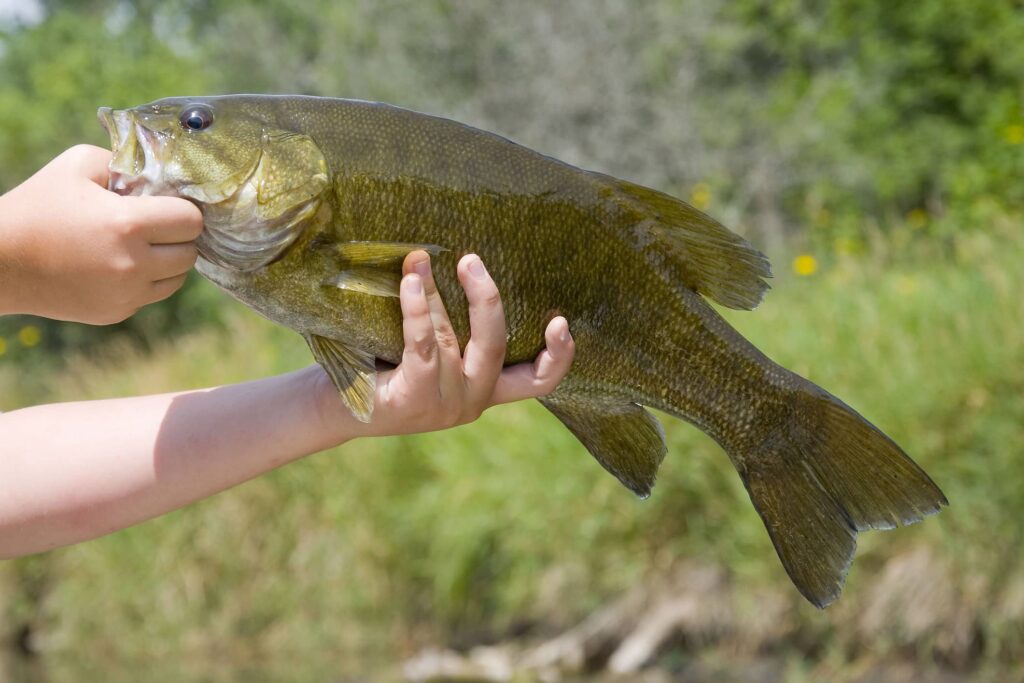
Furthermore, their coloration differs significantly, with the largemouth bass displaying a greenish hue adorned by a dark lateral stripe, while the smallmouth bass exhibits a bronze or brown shade with vertical bars along its sides.
Another key distinction lies in their preferred habitats; largemouth bass thrive in slower-moving or still waters with abundant vegetation, while smallmouth bass prefer clearer and swifter-moving waters around rocky structures.
These variations in physical attributes and environmental preferences make targeting each species a unique and rewarding challenge for anglers worldwide.
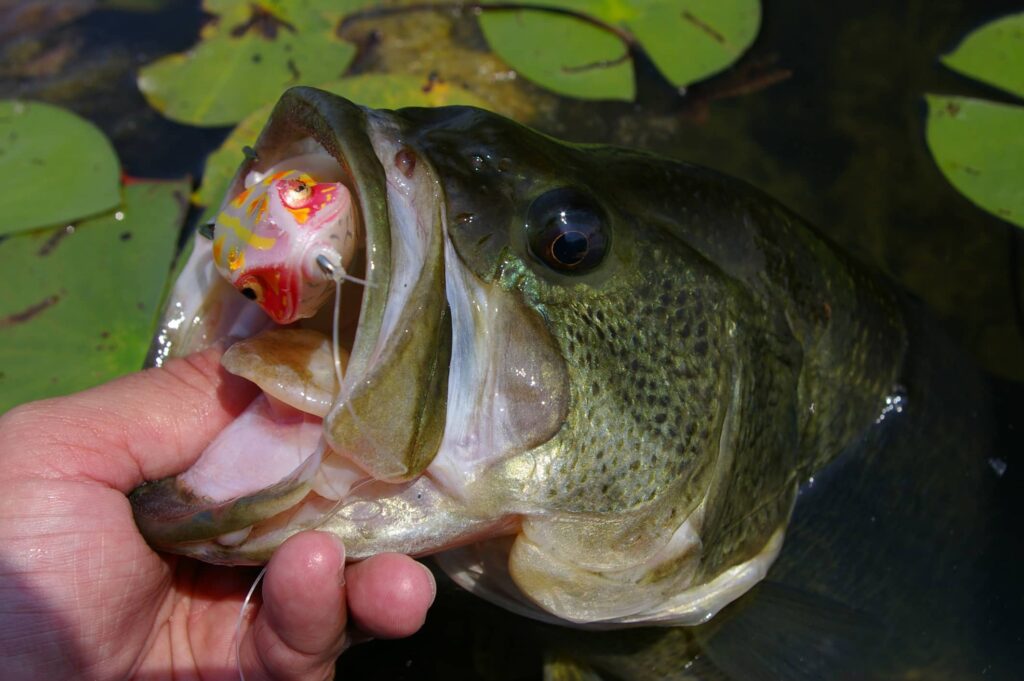
Location: Look for areas with abundant vegetation, submerged structures, and cover such as fallen trees, lily pads, and aquatic plants. Largemouth bass often hide in these areas to ambush their prey. Also, target shallow waters during warmer months and move to deeper areas during hot summer or colder winter days.
Time of Day: Largemouth bass are more active during low-light periods, such as early morning and late afternoon. However, they can be caught throughout the day, especially in overcast conditions or when there’s a change in weather.
Baits and Lures: Largemouth bass are opportunistic feeders and can be caught using a variety of baits and lures. Some effective options include:
Retrieval Techniques: Experiment with different retrieval speeds and techniques to see what the bass respond to best. In colder water, a slower, more subtle presentation might be more effective, while in warmer water, a faster, more aggressive retrieve could trigger strikes.
Live Bait: If local regulations permit, live bait such as minnows, shiners, or worms can be highly effective in enticing largemouth bass to bite.
Use Appropriate Tackle: Use medium to medium-heavy spinning or baitcasting tackle to handle the larger size of largemouth bass. Match the line weight to the cover you are fishing in, as you may need heavier line to avoid getting snagged in dense vegetation or around structures.
Be Patient and Observant: Largemouth bass can be selective feeders, so be patient and observant of their behavior. Pay attention to any signs of activity, such as surface disturbances or baitfish schools, which can lead you to productive fishing spots.
Practice Catch-and-Release: Largemouth bass are a valuable resource, and practicing catch-and-release helps sustain healthy fish populations and ensures great fishing experiences for the future.
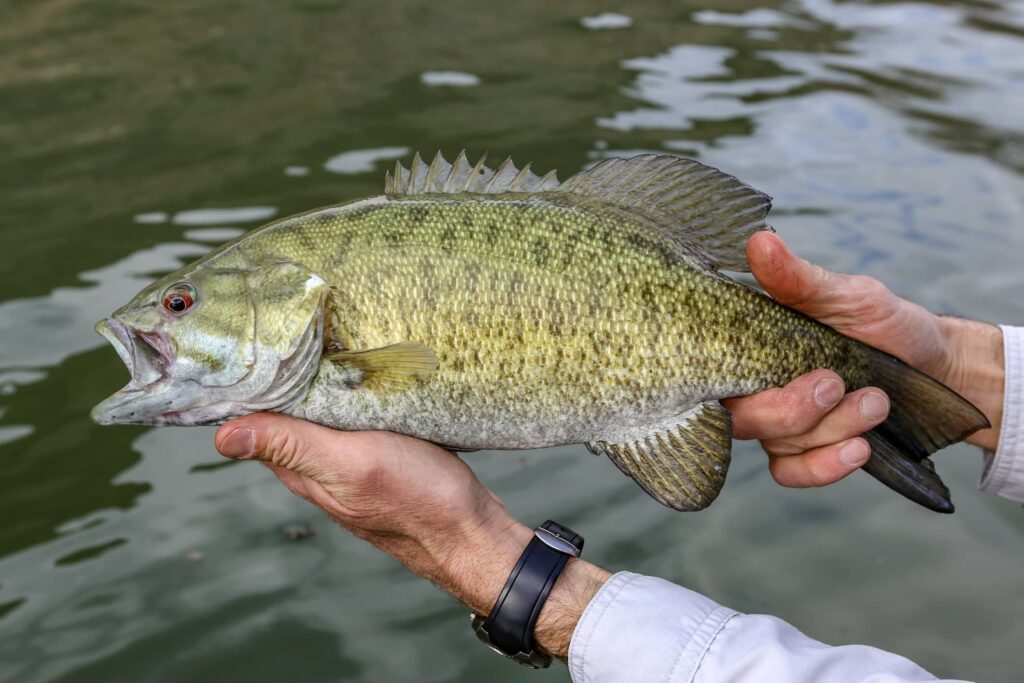
Location: Smallmouth bass prefer clear, cool waters with rocky structures and gravel bottoms. Look for areas with rocky shorelines, submerged rocks, boulders, and drop-offs, as these are prime spots where smallmouth bass often congregate.
Time of Day: Smallmouth bass are more active during low-light periods, such as early morning and late afternoon. However, they can also be caught throughout the day, especially in overcast conditions or during cooler weather.
Baits and Lures: Smallmouth bass are opportunistic feeders and can be enticed by a variety of baits and lures. Some effective options include:
Retrieval Techniques: Experiment with different retrieval speeds and styles to see what the bass respond to best. In cooler water, a slower, more subtle presentation might be more effective, while in warmer water, a more aggressive retrieve could trigger strikes.
Live Bait: If local regulations permit, live bait such as minnows or crayfish can be highly effective in enticing smallmouth bass to bite. Rig live bait on a hook with a split shot or a bobber to keep it at the desired depth.
Use Light Tackle: Smallmouth bass are known for their acrobatics and powerful runs, so consider using light to medium-light spinning tackle to make the fight more enjoyable and challenging.
Practice Catch-and-Release: Smallmouth bass are a valuable resource, and practicing catch-and-release helps sustain healthy fish populations for future generations of anglers.
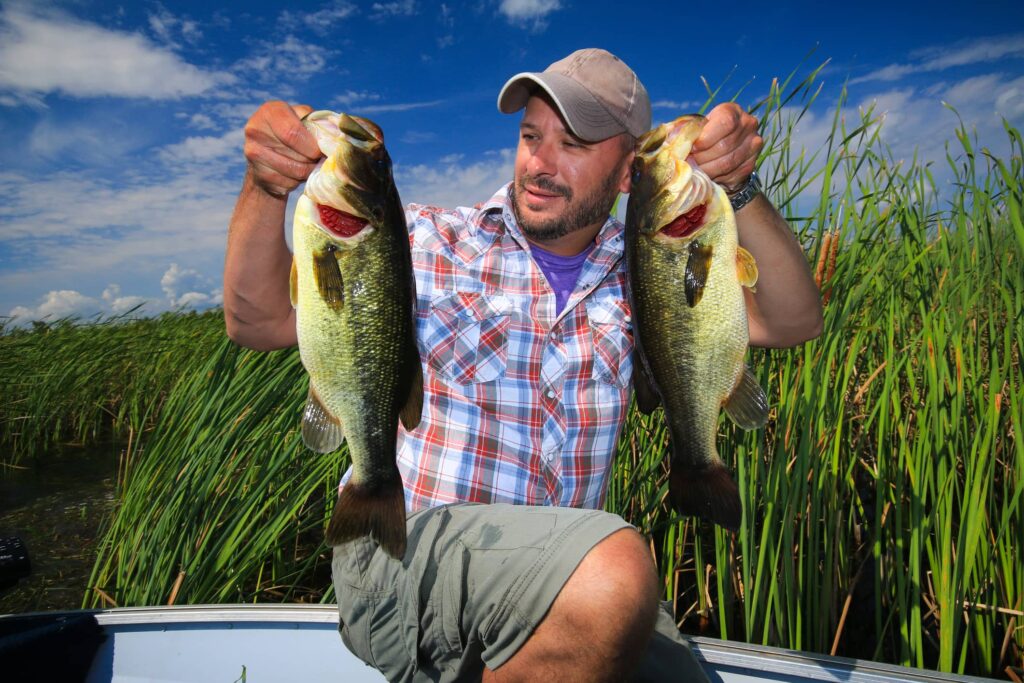
Lake Okeechobee, Florida, USA: Often referred to as the “Big O,” Lake Okeechobee is one of the most famous largemouth bass fisheries in the world. This massive lake covers over 730 square miles (1,890 square kilometers) and is located in southern Florida. Its vast expanse of shallow waters, abundant vegetation, and ample cover create an ideal habitat for largemouth bass. Fishing in Lake Okeechobee offers anglers the chance to catch trophy-sized bass and experience the thrill of reeling in some of the biggest largemouths in North America.
Toledo Bend Reservoir, Texas/Louisiana, USA: Straddling the border between Texas and Louisiana, Toledo Bend Reservoir is a premier largemouth bass fishery known for its consistently excellent fishing. With over 185,000 acres (74,800 hectares) of water, Toledo Bend provides diverse fishing opportunities with plenty of submerged structures and vegetation, offering a perfect environment for largemouth bass to thrive. Anglers come here to enjoy the potential for landing both quantity and quality bass.
St. Johns River, Florida, USA: The St. Johns River, located in northeastern Florida, is another exceptional largemouth bass destination. This slow-flowing river system, lined with extensive vegetation and abundant cover, creates an excellent habitat for largemouth bass to grow and thrive. The St. Johns River is known for producing trophy-sized bass and is a favorite spot for both local anglers and visitors looking for a memorable bass fishing experience.
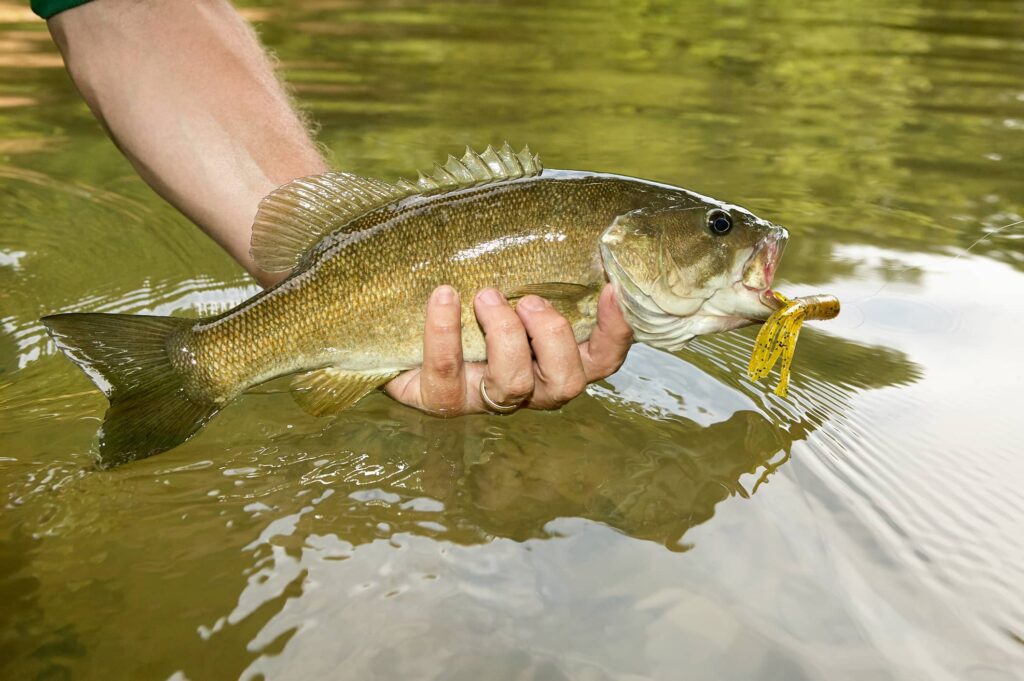
Lake Erie, USA/Canada: Lake Erie is renowned for its world-class smallmouth bass fishing, attracting anglers from both the United States and Canada. The lake’s fertile waters provide an ideal habitat for smallmouth bass, resulting in a robust population and the potential to catch trophy-sized fish. The eastern basin of Lake Erie, in particular, is celebrated for its smallmouth bass fishing opportunities, with areas like the Thousand Islands region on the U.S. and Canadian sides offering incredible angling experiences.
St. Lawrence River, USA/Canada: The St. Lawrence River, which flows from the Great Lakes to the Atlantic Ocean, is another prime smallmouth bass fishing destination. The river’s clear waters, rocky shoals, and submerged structures create an ideal environment for smallmouth bass to thrive. Anglers flock to the river’s diverse sections, such as the section between Lake Ontario and the Thousand Islands, to enjoy world-class smallmouth bass fishing.
Dale Hollow Lake, Tennessee/Kentucky, USA: Dale Hollow Lake, located on the border between Tennessee and Kentucky, is a premier destination for smallmouth bass fishing. Known for its crystal-clear waters and deep, rocky points, Dale Hollow Lake provides an excellent habitat for smallmouth bass to grow large and strong. The lake’s healthy fish population and scenic surroundings make it a top choice for anglers seeking a memorable smallmouth bass fishing adventure.
There you have it, bass fishing, whether for largemouth or smallmouth bass, offers an exhilarating and rewarding experience for anglers of all levels of expertise. Understanding the key differences between these two iconic species empowers us to tailor our approaches and techniques to maximize our chances of success on the water.
From exploring lesser-known fishing techniques to embracing cutting-edge tackle and gear, anglers can gain a competitive edge and elevate their bass fishing game. It’s essential to stay adaptable and open to learning, as the dynamic nature of bass behavior and environmental conditions can present exciting challenges and opportunities.
Whether embarking on a thrilling fishing adventure in renowned locations like Lake Okeechobee, Toledo Bend Reservoir, or the St. Johns River for largemouth bass, or exploring the smallmouth bass hotspots of Lake Erie, the St. Lawrence River, or Dale Hollow Lake, each fishing journey offers a chance to connect with nature and relish the joys of the sport.
As we venture out onto the waters, let us also remember the significance of responsible fishing practices and the preservation of these magnificent species and their habitats. By fostering a deep appreciation for these incredible game fish, we contribute to the conservation efforts that ensure the thriving legacy of bass fishing for generations to come.
In the pursuit of bass, we find not only excitement in the thrill of the catch but also a profound connection with the beauty of nature and the serenity of our surroundings. So, let us cast our lines with respect, patience, and admiration, embracing the spirit of bass fishing and cherishing the memories made on every fishing excursion.
As an avid fisherman myself, I know firsthand how important it is to have access to accurate information and reliable gear when it comes to catching the big one. That's why I started Fishing Tips Pro - to provide fellow anglers like you with a one-stop-shop for all things fishing.
Whether you're a seasoned pro or a novice just starting out, our team of experts is dedicated to bringing you the latest and greatest in fishing tips, techniques, and gear reviews. We cover everything from fly fishing for trout in mountain streams to trolling for giant marlin in the deep blue sea.
But Fishing Tips Pro isn't just about information - it's about community. We believe that the best way to improve your skills and increase your enjoyment of the sport is to connect with other anglers who share your passion. That's why we encourage our readers to join the conversation by commenting on our articles, sharing their own tips and stories, and connecting with us on social media.
So if you're looking for a reliable source of fishing information and a supportive community of fellow anglers, you've come to the right place. Welcome to Fishing Tips Pro - we can't wait to help you catch your next big fish and read your story about it!