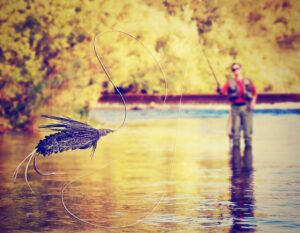

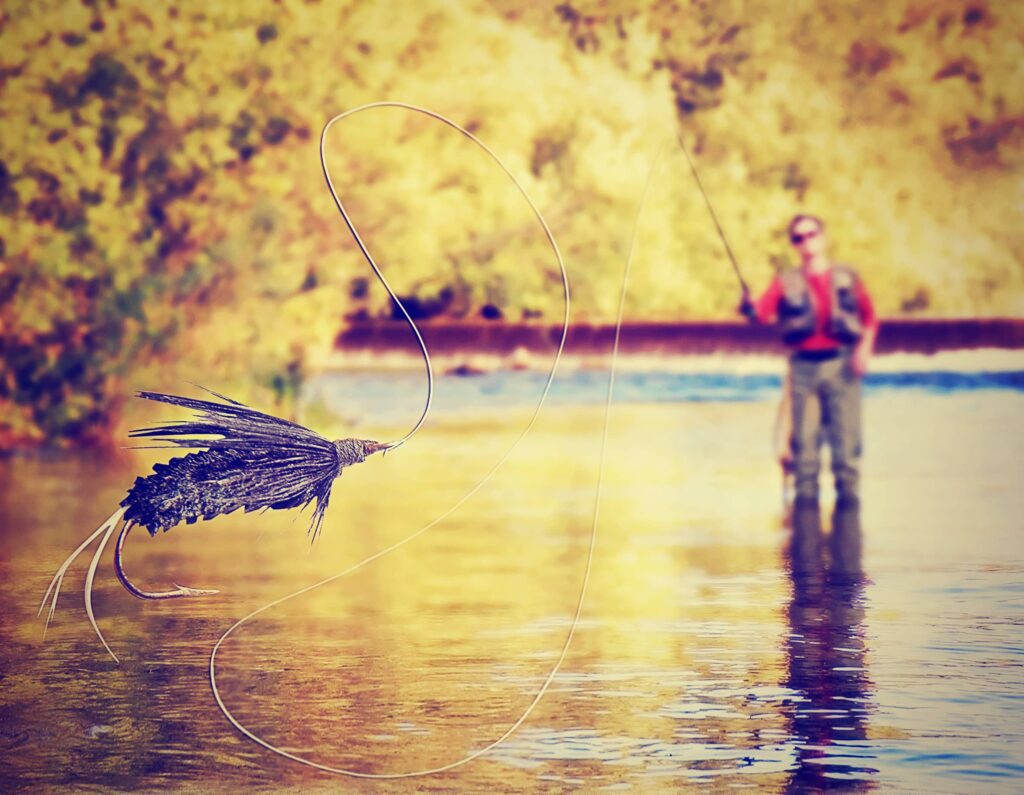
Welcome to the captivating world of fly fishing, an angling technique that entices fish with the illusion of a fallen insect on the water’s surface. Unlike conventional methods, live bait is skillfully cast to tempt fish beneath the water. Prepare for exhilarating encounters as we delve into the intricacies of this technique in our comprehensive fly fishing guide.

Fly fishing is a captivating angling method utilizing specialized gear like fly rods, reels, and artificial flies. These lightweight flies mimic aquatic organisms, insects, or prey that fish naturally feed on.
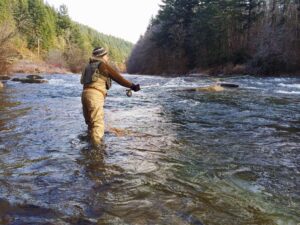
Anglers skillfully present the flies to entice fish, mimicking their feeding habits. This complex technique offers a diverse range of casting methods, flies, and fishing locations. Fly fishing demands keen observation, understanding of water dynamics, and knowledge of fish species, seasons, and weather conditions.
While commonly practiced in freshwater rivers and streams, it’s not uncommon to find enthusiasts pursuing saltwater species. Warm-water and cold-water species are often differentiated in freshwater fly fishing pursuits.
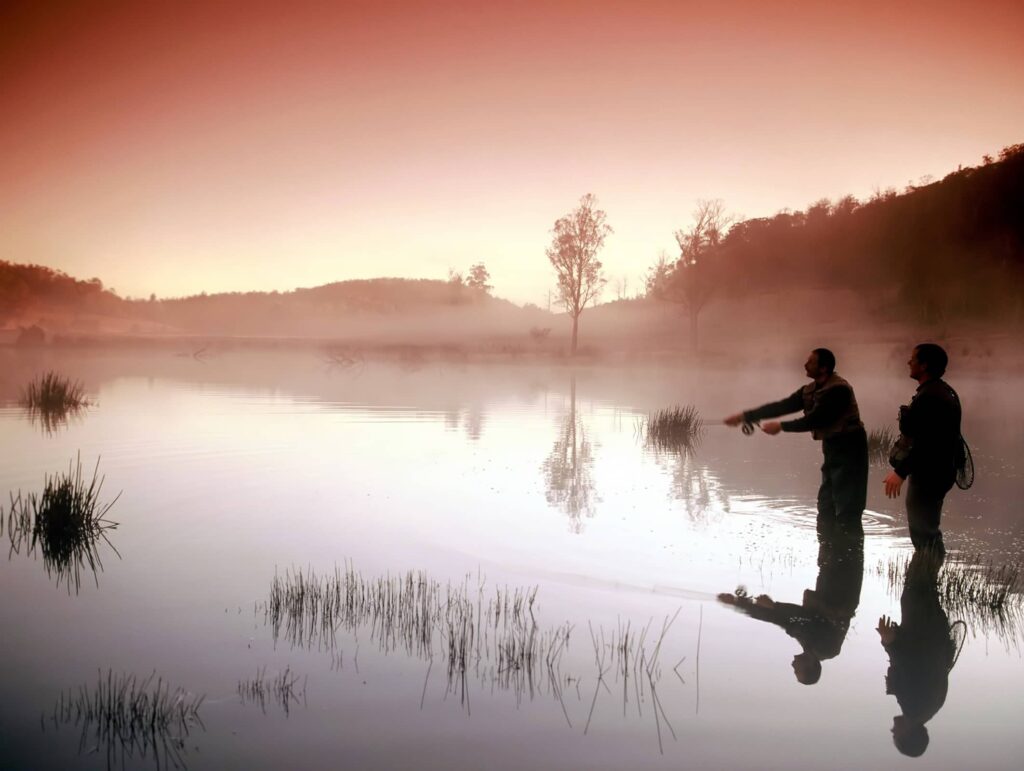
Fly fishing has a rich history dating back to ancient Rome, where crafty anglers used red thread to deceive their finned targets. The Japanese practice of Tenkara also contributed to the early development of this artful technique. The first known book on fly fishing, “The Treatyse on Fishing with an Angle,” emerged in the late 15th century.
Over time, fly fishing gained prominence in the literature of England, Scotland, and Ireland, capturing the imagination of rural and low-income communities. As the Industrial Revolution approached, fly-fishing clubs sprouted in Britain, accompanied by publications on fly tying and techniques.
The US witnessed a fly fishing boom when anglers sought brook trout in rivers like the Beaverkill. The invention of fiberglass rods and synthetic lines in the 1950s sparked a second wave of popularity.
With the rise of the middle class and advances in rod production, fly fishing became a beloved hobby sport in the 19th century. Today, it has become a global phenomenon, appealing to outdoor enthusiasts of all ages.
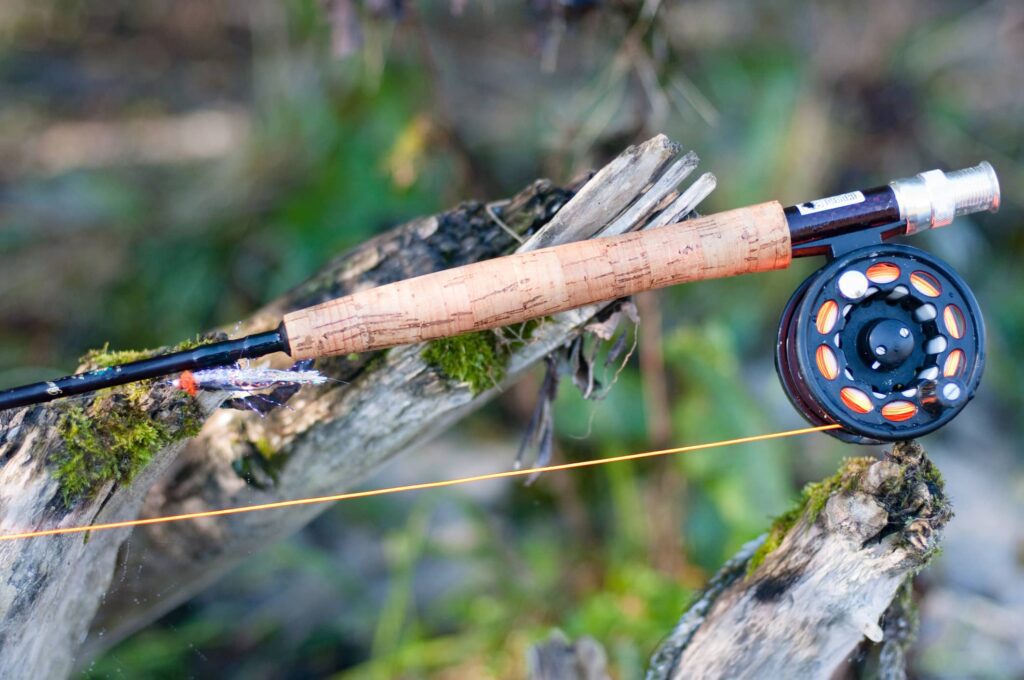
A fly rod is a fishing rod designed only for fly fishing. Although it is constructed mostly in the same way as other fishing rods, there are some significant differences, and a regular fishing rod cannot be used for fly fishing.
Typically, the rod is much thinner and lighter than the majority of fishing rods. It is still a carbon fiber tube that is narrow and tapered. However, that’s about where the similarities end. It features rings to regulate the line, a handle, and a reel seat where you place the reel. The reel seat is situated at the very bottom of the rod, below the handle while holding the rod upright.
The guides are frequently quite tiny and positioned close to the blank, the actual rod. The reel is not used like a spinning or baitcasting reel to pull in line when fishing; instead, it is installed here to provide balance in the rod when it is in use. Many fly anglers remove the line from the reel as soon as they begin casting and wait to wound it back until they are done for the day.
Fly rods exist in a wide range of lengths and weights, which are often indicated by the symbol # (pound). For various fish species, different sizes and weights are manufactured. Fly rods typically come in lengths of 8 feet, 8 feet 6 inches, 9 feet, 9 feet 6 inches, and occasionally longer.
Weights between #3 and #7 are often used, with #5 being the most popular. A #3 weight rod is very light and designed for capturing little fish, such as panfish or brook trout. Medium weight rods, such a #5 weight, are best for capturing medium- to large-sized fish like cutthroat trout and bass. For capturing huge fish like striped bass or salmon, a #7 weight rod is utilized (or one that is even heavier, such a #9 or #12).
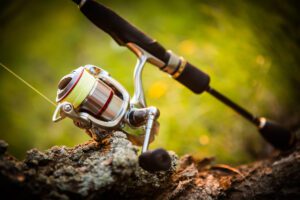
Fly fishing reels are also unique because they are made with an open body that is placed behind the hand that is holding the main rod. Reels on traditional fishing rods rest above the hands, while a fly rod and reel’s bottom-weighted construction improves casting accuracy.
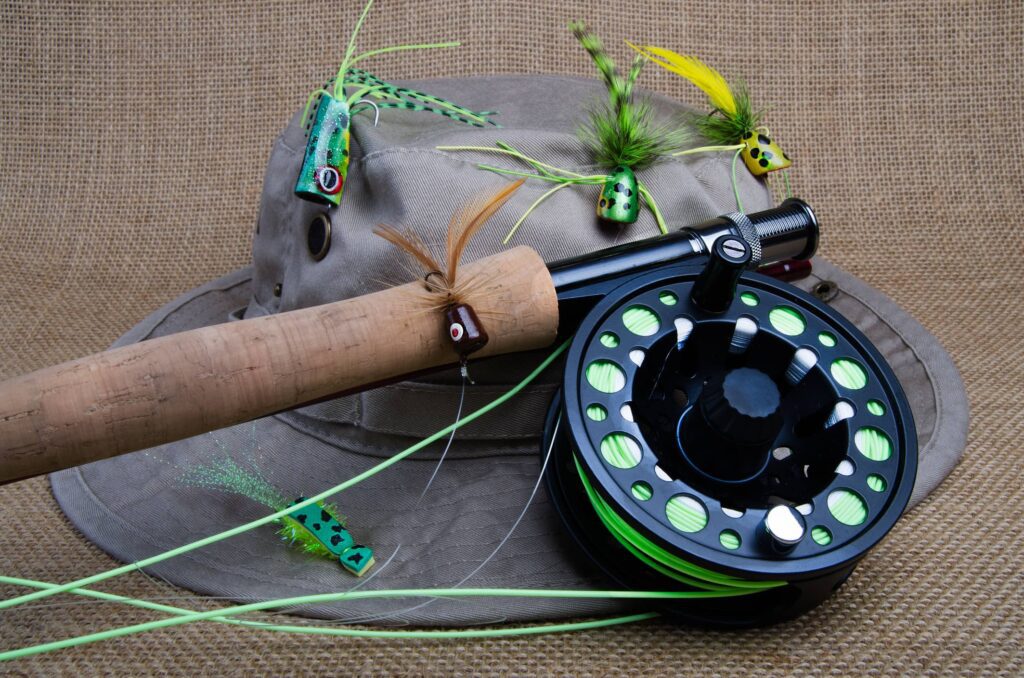
A waterproof fishing hat with a broad brim protects your head and neck from the sun and provides some bug defense. Also, it can protect your eyes from the glare of the water, improving your ability to see your catch. To prevent it from flying away in the wind, make sure it fits snugly without putting too much pressure on it.
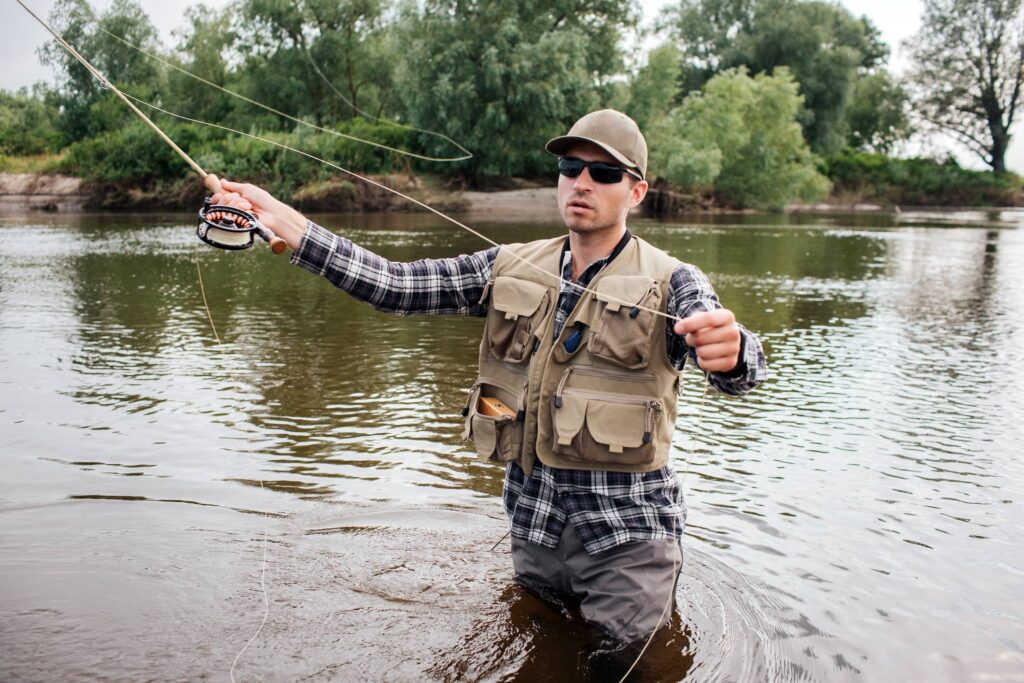
Fishing vests contain a number of tiny pockets, loops, and tags for storing gear close at hand. A vest with little waterproof pockets is ideal for storing your phone or wallet..
Always carry a raincoat with you. In case the weather unexpectedly changes while you’re out on the lake, you may keep a small waterproof poncho in your fishing vest.
Pack a fleece in addition to a raincoat. Even at the peak of summer, the weather may be unpredictable while you’re fishing, especially in the highlands. You must immediately warm yourself if you become wet and the temperature decreases to prevent hypothermia.
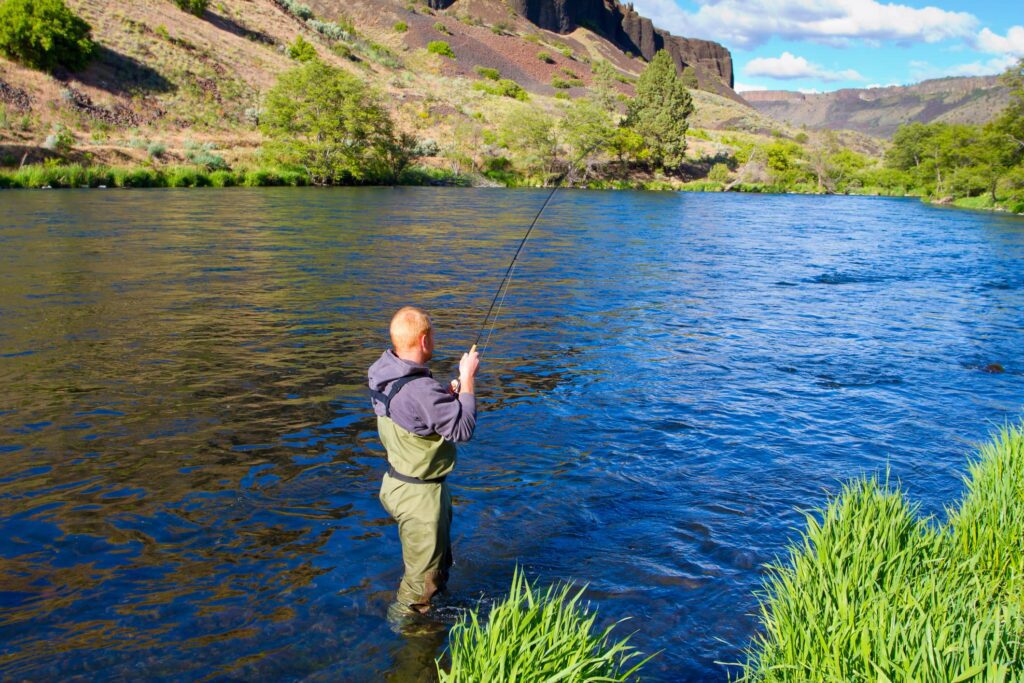
Waders may not be essential if you’re just intending to fish from the shore. If the fish are biting further offshore, they are a great method to keep you dry. Waders are usually composed of heavy, vulcanized rubber, however, there are high-performance, lightweight options available.
Waders keep you warm and dry if you want to go fishing in the winter or in a cooler region. For fly fishing in the summer, synthetic waders are a preferable alternative since they are more lightweight and breathable.
To prevent your waders from filling with water and creating a drowning hazard, make sure they have a belt or suspenders.
There are many different types of boots, considering both comfort and ankle support. Depending on the underwater terrain, you have the option of rubber, spiked, or felt soles.
Bring some polarized sunglasses even if the day begins overcast. The sunshine is amplified by the water’s reflection, which might harm your eyes. Also, sunglasses allow you to see through glare and locate more fish
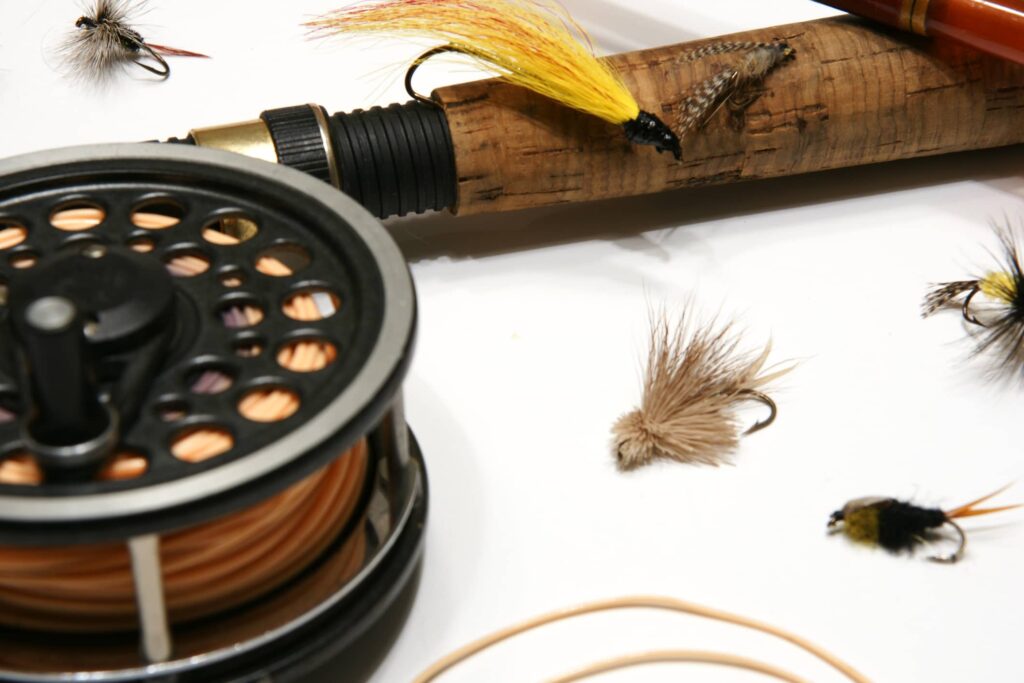
Your destination, the size of fish you anticipate catching, and whether you’re fishing in little or huge streams will all influence the rod and reel you choose. To match your rig, you must decide on the length, line weight, and style of rod action.
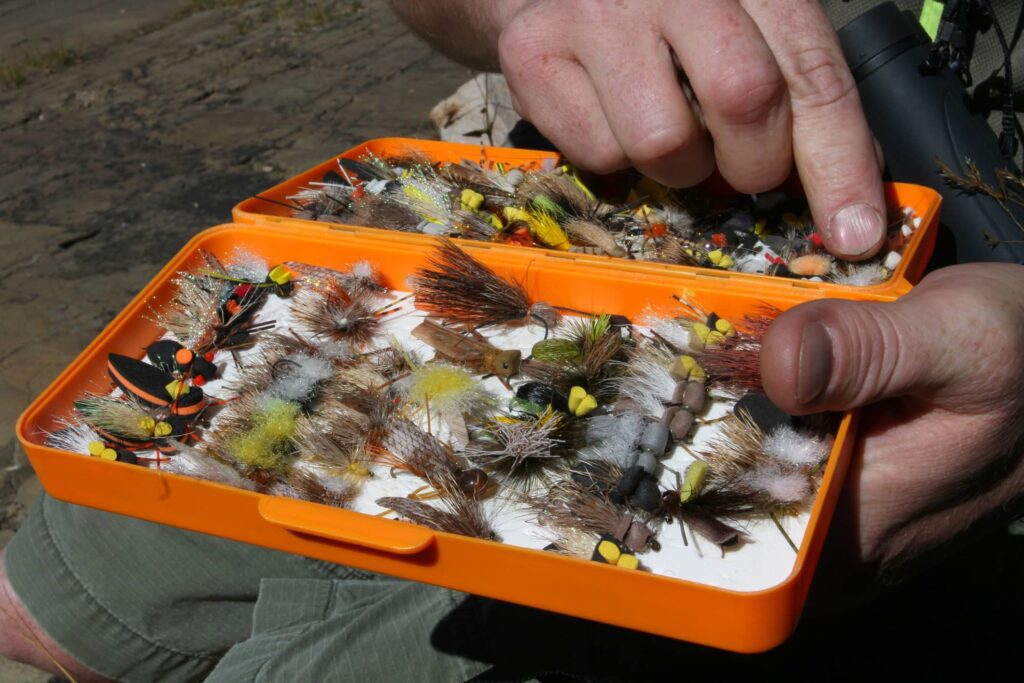
You’ll also require tippets and leaders. The leader, which is attached to the end of your fly line, can range in length from 7 to 9.5 feet. Your fly will be attached to the tippet, virtually undetectable to the fish.
Fly fishermen anxiously wait for a bite for hours in the sun. Sunscreen is essential to shield your skin from the sun and prevent melanoma. Make sure your product has a least SPF 30 and is waterproof. Also, remember to reapply every 3 to 4 hours. To avoid windburn, you may also select sunscreens that contain hydrating elements.
Mosquitoes and other flying insects reproduce in slow-moving streams. Depending on where you are, mosquito bites might potentially spread disease. Bring along a powerful bug-repellent spray that kills ticks, fleas, and mosquitoes, all of which are common in fly fishing locations. Remember to reapply your spray every so often as you would your sunscreen.
Depending on the way the fish are biting, a fly-fishing trip can go from sunrise till night. Always carry a torch or flashlight with additional batteries. Even if you want to return home before sundown, plans might change, and the last thing you want is to be lost in the dark.
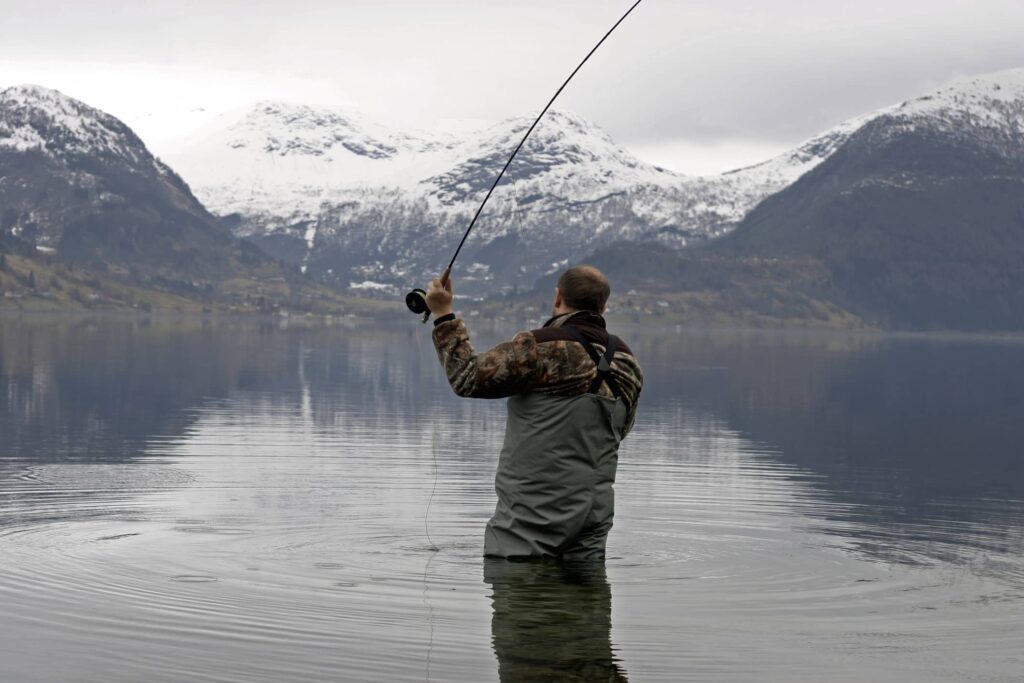
Fly fishing is an alluring adventure that demands skillful navigation, attentive water observation, and precise fly presentation. The challenge it presents and the immersive connection with nature make it a deeply satisfying pursuit for many anglers.
Delight awaits in breathtaking fly fishing streams, where tranquil scenery complements the sport. It’s a contemplative, solitary endeavor that rewards tenacious fishermen, testing their patience during the learning phase.
Once casting becomes confident and the waters are scanned for feeding fish, the true beauty of fly fishing unfolds. With its unique casting technique and specialized gear, fly fishing offers an up-close encounter with the art of angling.
In short, it’s an exceptional activity that unveils the intricacies of advanced fishing methods, adding a touch of magic to your angling repertoire.
The line at the end of your fly line that presents your fly to the fish is called a leader when fly fishing. It is commonly made of monofilament or fluorocarbon.
Fly fishing’s main objective is to trick fish using any artificial fly that has animal parts (feathers, hair, etc.).
Fly fishing differs from regular fishing in that the former involves using a weighted line (fly line) to cast or otherwise present an unweighted object to fish (some type of “fly”), whereas the regular fishing involves using a weightless line to present an object to fish (some type of hard or soft lure and/or some type of prepared “bait”) that is weighted.
It is a difficult form of fishing, which takes a little longer to learn than regular fishing.
As an avid fisherman myself, I know firsthand how important it is to have access to accurate information and reliable gear when it comes to catching the big one. That's why I started Fishing Tips Pro - to provide fellow anglers like you with a one-stop-shop for all things fishing.
Whether you're a seasoned pro or a novice just starting out, our team of experts is dedicated to bringing you the latest and greatest in fishing tips, techniques, and gear reviews. We cover everything from fly fishing for trout in mountain streams to trolling for giant marlin in the deep blue sea.
But Fishing Tips Pro isn't just about information - it's about community. We believe that the best way to improve your skills and increase your enjoyment of the sport is to connect with other anglers who share your passion. That's why we encourage our readers to join the conversation by commenting on our articles, sharing their own tips and stories, and connecting with us on social media.
So if you're looking for a reliable source of fishing information and a supportive community of fellow anglers, you've come to the right place. Welcome to Fishing Tips Pro - we can't wait to help you catch your next big fish and read your story about it!