
Peacock bass, also known as butterfly peacock or if we’re going by the scientific name Cichla spp, are a species of freshwater fish that are native to South America. These colorful fish are prized among anglers for their fighting spirit and impressive size, with some individuals reaching over 20 pounds. Peacock bass can be found in a variety of habitats, including rivers, lakes, and reservoirs, throughout their native range in countries such as Brazil, Colombia, and Venezuela.
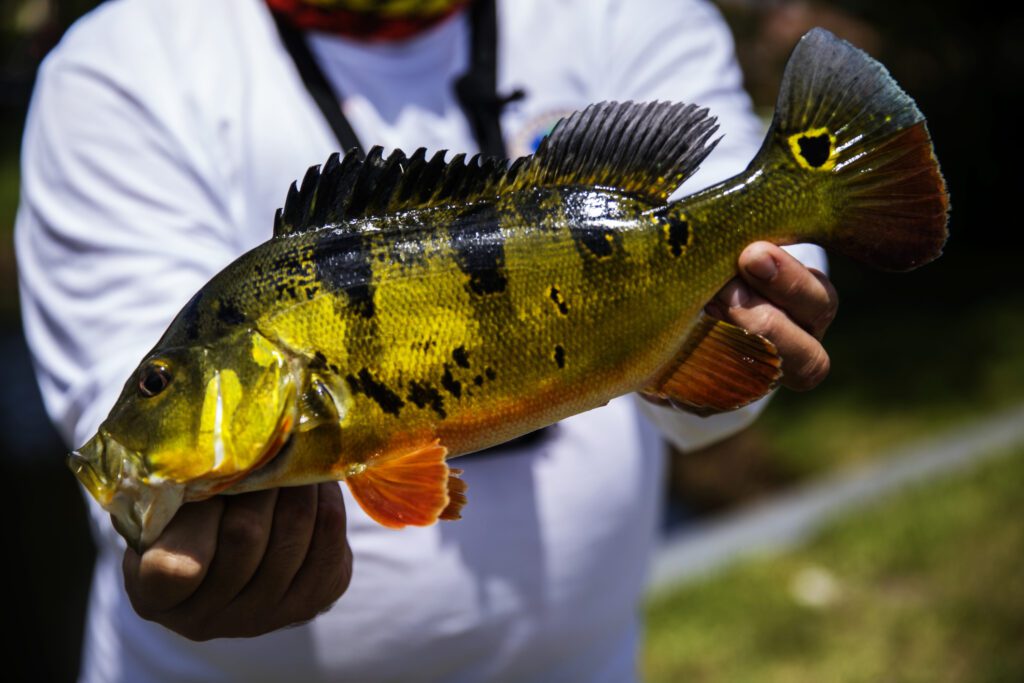
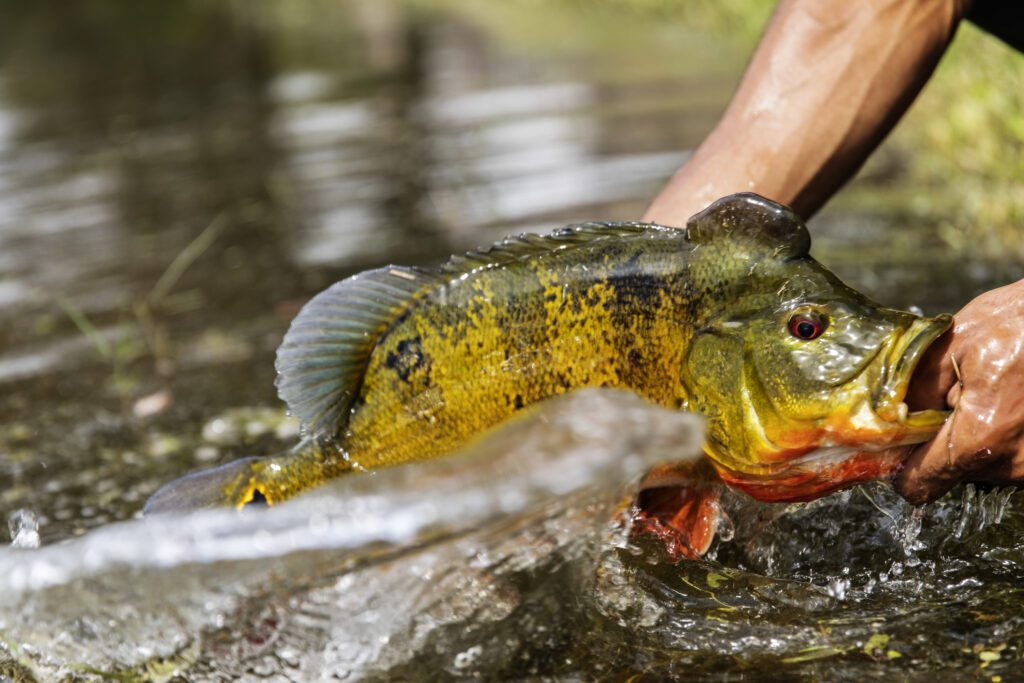
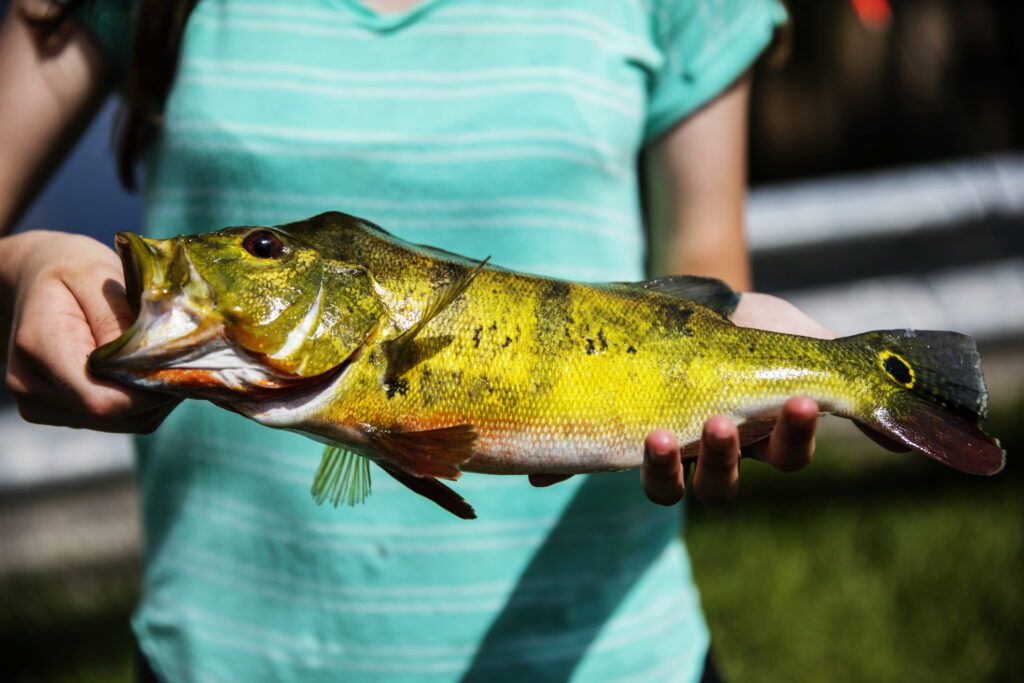
One of the most distinctive features of peacock bass is their striking appearance. They are named for their vibrant colors and unique markings, with a variety of hues including green, blue, and gold. They also have a large, fan-shaped tail and sharp teeth, making them a formidable opponent for any angler.
Peacock bass are a popular game fish due to their strength and aggressive nature, making them a thrilling catch for anglers of all skill levels. In addition to this, they are a popular species for catch-and-release fishing, as they are known for their ability to survive after being caught and released back into the water. When you’re ready, grab a cup of coffee and continue reading about this amazing fish!
Peacock bass are a freshwater fish that are native to the Amazon River basin in South America. Within this region, they can be found in a variety of habitats, including rivers, lakes, and reservoirs. Peacock bass are known for their adaptability, and can thrive in both clear and turbid waters, as well as in both slow-moving and fast-flowing streams.
Peacock bass are found in several countries throughout South America, including Brazil, Colombia, Venezuela, and Peru. Within these countries, they are distributed across a wide range of geographical regions, from the Amazon River and its tributaries to smaller rivers and streams. In Brazil, for example, peacock bass are found in the Amazon, as well as in other regions such as the Araguaia-Tocantins River system and the Pantanal wetlands.
The types of water bodies in which peacock bass can be found are also diverse. They are often found in large rivers, such as the Amazon and its tributaries, as well as in smaller rivers and streams. They can also be found in man-made reservoirs, particularly those created for hydroelectric power generation. In these reservoirs, peacock bass populations can thrive due to the abundance of food sources and suitable habitat. Overall, the natural habitat and range of peacock bass are diverse, reflecting their adaptability and wide distribution throughout the Amazon River basin.
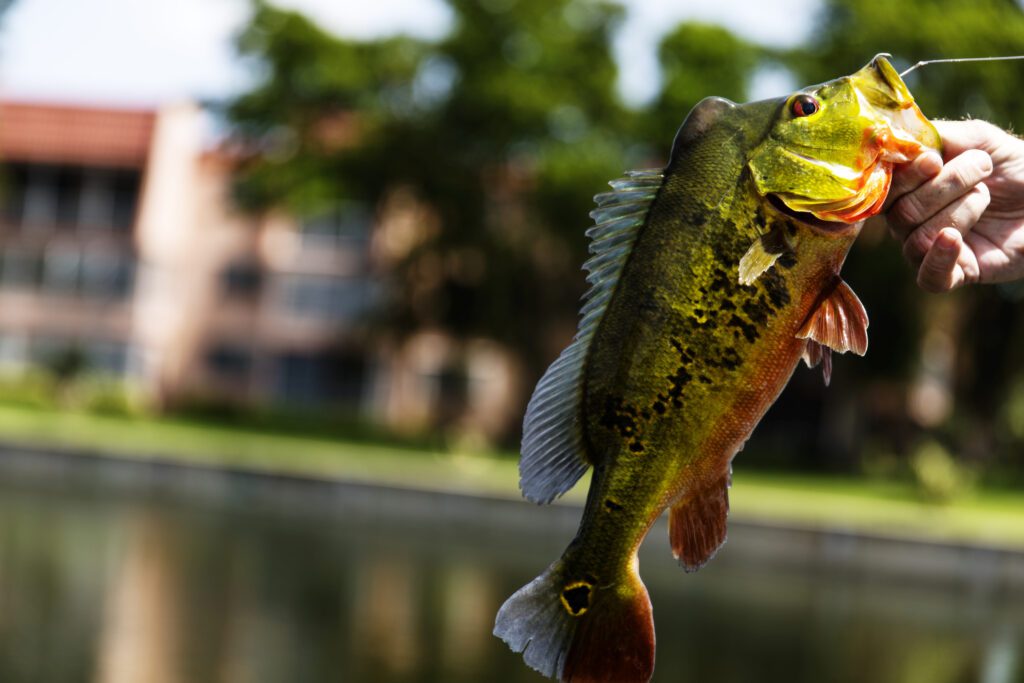
Peacock bass are known for their striking appearance and aggressive behavior. They typically have a deep, compressed body with a distinctive hump on their forehead. Their coloration can vary depending on the species, but they typically have bright, iridescent scales with shades of green, gold, and orange. They also have a large mouth with sharp teeth, which allows them to prey on a variety of fish species.
Peacock bass are aggressive predators and can be challenging to catch, making them a popular game fish among anglers. They are known for their acrobatic jumps and powerful runs, which can make for an exciting fight. Their behavior can also be influenced by the season and water temperature, with males becoming more territorial and aggressive during the breeding season.
Peacock bass can live for up to 10 years or more, with the age at maturity varying depending on the species. They can reach impressive sizes, with some species growing up to 30 inches in length and weighing over 20 pounds. Growth rates can also vary depending on environmental factors such as water temperature and food availability.
In terms of sporting quality, peacock bass are highly valued among anglers for their fighting abilities and striking appearance. They are considered a trophy fish and are often pursued by experienced anglers seeking a challenging and rewarding fishing experience. However, it’s important to practice proper catch-and-release techniques to help ensure the long-term survival of peacock bass populations.
When it comes to fishing for peacock bass, it is important to have the right equipment and techniques to increase your chances of success. For tackle, anglers typically use heavy spinning or baitcasting gear, with a test line of at least 20-30 pounds to handle the strong fighting abilities of peacock bass. A sturdy rod with a sensitive tip is also important to detect the subtle bites of these fish.
In terms of lures, peacock bass are known to be aggressive and will often strike at large, noisy lures. Popular choices include topwater lures such as poppers and prop baits, as well as swimbaits and jigs. Brightly colored lures, such as those with a green and orange pattern to mimic the natural colors of the fish, can also be effective.
When it comes to locating peacock bass, look for areas with submerged structure such as logs, stumps, or underwater vegetation. Peacock bass tend to hide in these areas to ambush prey, so casting your lure near these structures can increase your chances of success. Another effective technique is to locate schools of baitfish, as peacock bass are often found in close proximity.
The best time of year for peacock bass fishing can vary depending on the region and local weather conditions. In general, they tend to be most active during the warmer months, with peak fishing seasons typically occurring from late spring to early fall. However, in some areas, fishing can be productive year-round. It’s always a good idea to research the specific region you plan to fish in and consult with local guides or anglers for the most up-to-date information.
Conservation and management efforts are crucial to protect peacock bass populations, as they face a number of threats that can impact their survival. Overfishing is a significant concern, as peacock bass are a popular game fish that are highly sought after by anglers. In some areas, this has led to declines in populations and reduced genetic diversity. As a result, many regions have implemented catch-and-release fishing regulations and bag limits to help maintain healthy populations.
Habitat degradation is another major threat to peacock bass populations. Deforestation, pollution, and dam construction can all impact their natural habitats and disrupt breeding and feeding behaviors. Habitat restoration efforts, such as reforestation and erosion control, can help to mitigate these impacts and provide suitable habitat for peacock bass.
The introduction of non-native species is also a concern, as some species can outcompete or prey upon peacock bass, reducing their numbers. In some areas, such as Florida, the introduction of exotic fish species has had a significant impact on native fish populations. To address this issue, many regions have implemented strict regulations on the import and release of non-native species.
In addition to these efforts, education and outreach are important for promoting conservation of peacock bass populations. This includes educating anglers on proper catch-and-release techniques, as well as providing information on the importance of habitat conservation and the impacts of introduced species. Overall, conservation and management efforts are crucial to ensuring the long-term survival of peacock bass populations and their important role in freshwater ecosystems.
a. Despite their name, peacock bass are not actually related to bass. They are a member of the cichlid family, which includes other popular aquarium fish such as angelfish and discus.
b. Peacock bass are native to South America, where they are found in the Amazon and Orinoco river basins.
c. There are several different species of peacock bass, with varying coloration and behavior patterns.
d. Peacock bass are apex predators, feeding on a variety of fish species including other cichlids, tetras, and even small alligators!
e. Peacock bass are highly territorial and will defend their nests and breeding territories aggressively. During breeding season, males will develop bright colors and patterns to attract females.
f. Peacock bass are a popular game fish among anglers and are known for their acrobatic jumps and powerful runs.
g. In some regions, peacock bass have been introduced as a sport fish, including in Florida – USA, where they have become established in several bodies of water.
h. Peacock bass have been known to jump out of the water to catch flying insects or even birds!
In conclusion, the peacock bass is a fascinating fish species with a unique appearance, aggressive behavior, and a reputation as a challenging game fish. They are highly valued among anglers for their sporting qualities and are sought after by those seeking a memorable fishing experience. However, it’s important to practice responsible fishing practices to help ensure the long-term survival of peacock bass populations, especially given the threats of overfishing, habitat degradation, and even though the Peacock was introduced, we still need to monitor the introduction of other non-native species that might threaten this amazing fish. By understanding and respecting the natural habitat and behavior of peacock bass, anglers can continue to enjoy this remarkable fish species for years to come.

As an avid fisherman myself, I know firsthand how important it is to have access to accurate information and reliable gear when it comes to catching the big one. That's why I started Fishing Tips Pro - to provide fellow anglers like you with a one-stop-shop for all things fishing.
Whether you're a seasoned pro or a novice just starting out, our team of experts is dedicated to bringing you the latest and greatest in fishing tips, techniques, and gear reviews. We cover everything from fly fishing for trout in mountain streams to trolling for giant marlin in the deep blue sea.
But Fishing Tips Pro isn't just about information - it's about community. We believe that the best way to improve your skills and increase your enjoyment of the sport is to connect with other anglers who share your passion. That's why we encourage our readers to join the conversation by commenting on our articles, sharing their own tips and stories, and connecting with us on social media.
So if you're looking for a reliable source of fishing information and a supportive community of fellow anglers, you've come to the right place. Welcome to Fishing Tips Pro - we can't wait to help you catch your next big fish and read your story about it!