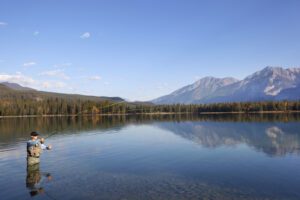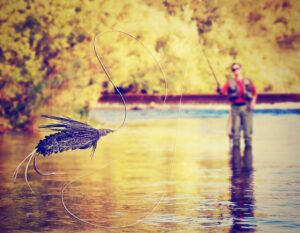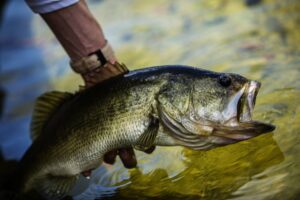


Fly fishing for fish like Bull Trout is an exhilarating and challenging pursuit that has been enjoyed by anglers for generations. Unlike other forms of fishing, fly fishing requires a great deal of skill and finesse, as well as a deep understanding of the behavior and habitat of the fish. Trout are one of the most popular species for fly fishing, as they are found in a wide variety of habitats, from small streams to large rivers and lakes. In this article, we will take a comprehensive look at the art of fly fishing for trout, covering everything from equipment selection to casting techniques to help you become a successful trout angler. So whether you are a seasoned angler or a beginner, grab a beverage, sit down, relax and let’s dive into the world of fly fishing for trout!
Understanding the behavior and habitat of trout is essential to successful fly fishing. Trout are a species of freshwater fish that typically inhabit cold, clear streams and rivers, although they can also be found in lakes and ponds. They are known for their elusive nature and can be challenging to catch, which makes them a favorite target for fly anglers. Trout are opportunistic feeders, and their diet consists primarily of insects, crustaceans, and small fish. To increase your chances of catching trout, it is important to understand their feeding patterns, preferred habitats, and behavior. Trout tend to seek out areas of cover, such as rocks, logs, and undercut banks, where they can hide from predators and ambush their prey. By learning to read the water and identifying these key areas, you can improve your chances of catching trout and enjoy a more rewarding fishing experience.
Choosing the right equipment is crucial when it comes to fly fishing for trout. The most important piece of equipment is, of course, the fly rod. When selecting a fly rod for trout fishing, consider the size of the water you will be fishing, as well as the size of the flies you will be using. A 9-foot rod with a 4-6 weight is a good all-around choice for trout fishing in small to medium-sized streams and rivers, while a 9-10 foot rod with a 6-8 weight is better suited for larger rivers and lakes. In addition to the rod, you will need a fly reel, which should be matched to the size of your rod. When it comes to selecting a fly line, choose a weight-forward floating line that matches the weight of your rod. As for leaders and tippets, 9-foot leaders with 4X-6X tippets are a good choice for most trout fishing situations. Finally, you will need a selection of flies, which should match the insects and other prey that trout feed on in your area. With the right equipment, you can improve your chances of success and make the most of your time on the water.
Selecting the right flies is essential for successful trout fishing. Trout are known for their selective feeding habits and can be particular about the type and color of flies they will take. When selecting flies for trout fishing, it is important to consider the time of year, the water conditions, and the type of insects and other prey that are present in the water. Some of the most popular fly patterns for trout fishing include dry flies, nymphs, streamers, and terrestrials. Dry flies imitate adult insects that are floating on the surface of the water, while nymphs imitate the larval stage of aquatic insects that are swimming or crawling on the bottom of the river or stream. Streamers imitate small fish or other prey that are swimming through the water, while terrestrials imitate insects that fall into the water from the surrounding vegetation. When selecting flies for trout fishing, it is important to have a variety of patterns and sizes on hand to match the conditions and the feeding patterns of the fish.
The most common fly casting technique used by anglers is the overhead cast, which involves raising the rod above your head and then bringing it forward in a smooth, fluid motion. To execute the overhead cast, start with your feet shoulder-width apart and hold the rod with both hands. With your rod tip close to the water, use your arm and wrist to raise the rod above your head, stopping when the rod is vertical. Then, in one fluid motion, bring the rod forward, stopping when the rod is parallel to the water, and letting the line extend behind you. Once the line is fully extended, bring the rod forward again, releasing the line and allowing it to land on the water in front of you. Other casting techniques to consider include the roll cast, which is useful for casting in tight quarters or in situations where backcasting is difficult, and the reach cast, which allows you to place the fly gently on the water and avoid spooking the fish.
a. Look for current seams: Trout often hold in areas where two currents meet, such as behind rocks or in the seams between fast and slow water.
b. Search for structure: Trout like to hide in areas of cover, such as logs, boulders, or undercut banks.
c. Observe the surface of the water: Look for rising fish or subtle surface disturbances, which can indicate the presence of feeding trout.
d. Pay attention to the depth and speed of the water: Trout prefer water that is deep enough to provide cover but not so fast that it requires too much energy to hold their position.
e. Consider the time of day: Trout are most active in the early morning and late evening, so focus your efforts during these times.
Fishing with dry flies is one of the most exciting and visually appealing techniques for trout fishing. Dry flies imitate adult insects that are floating on the surface of the water, and the goal is to present the fly in a way that looks natural and enticing to the fish. Here are some tips;
a. Match the hatch: Observe the insects that are hatching on the water and try to match your fly to the size, shape, and color of the natural insect.
b. Use a drag-free drift: Cast your fly upstream of the feeding fish and let it float downstream with the current. Avoid dragging the fly or creating any unnatural movements, which can spook the fish.
c. Look for rising fish: Watch for trout rising to the surface to feed on insects, and target your casts to these fish. You can also use a dry fly as an indicator to detect strikes on a subsurface nymph.
d. Set the hook: When you see a fish rise to take your fly, wait for a split second before setting the hook. This allows the fish to fully take the fly into its mouth before you set the hook.
e. Experiment with presentation: Try different casting angles, mends, and drifts to see what works best in the current conditions. Vary the speed and direction of your casts until you find a presentation that is enticing to the fish.
Fishing with nymphs is a highly effective technique for catching trout in rivers and streams. Nymphs are juvenile insects that live underwater, and trout feed on them throughout the year. Here are some tips;
a. Choose the right nymph: Select a nymph pattern that matches the insects that are present in the water. Common nymph patterns include the Pheasant Tail, Hare’s Ear, and Prince Nymph.
b. Use a strike indicator: Attach a strike indicator to your leader to help detect strikes. This can be a small piece of yarn, a foam indicator, or a commercial strike indicator.
c. Fish the right depth: Adjust the depth of your nymph to match the depth at which the trout are feeding. This can be done by adding weight to your leader or by adjusting the length of your tippet.
d. Use a dead drift: Present your nymph to the trout in a natural, dead-drift manner. This means letting the nymph float downstream with the current, avoiding any unnatural movements that can spook the fish.
e. Set the hook: When you see the strike indicator dip or move, set the hook with a quick, firm motion. Be prepared to set the hook quickly, as trout can spit out the nymph in a fraction of a second.
f. Be patient: Nymph fishing can be slow and methodical, but it is often the most productive way to catch trout. Be patient and persistent, and keep working the water until you find the fish.
Fishing with streamers is a dynamic and exciting way to catch trout. Streamers are fly patterns that imitate small baitfish, leeches, or other underwater prey. Similar but still different to fishing with nymphs, here are some solid tips to try next time you’re out on the water;
a. Use the right gear: Streamer fishing often requires heavier gear than other fly fishing techniques, so use a rod with a fast action and a sinking line that can handle larger flies.
b. Choose the right streamer: Select a streamer pattern that matches the size, shape, and color of the baitfish or prey that are present in the water. Popular streamer patterns include Woolly Buggers, Sculpins, and Zonkers.
c. Vary your retrieve: Experiment with different retrieves to see what works best. You can strip the streamer in short, quick bursts, or use a slow, steady retrieve with occasional pauses.
d. Fish the right water: Focus your efforts on deep pools, undercut banks, and other areas where trout are likely to hold and feed on prey.
e. Set the hook: When you feel a solid tug on the line, set the hook with a quick, firm motion. Be prepared for a hard fight, as trout caught on streamers often put up a strong fight.
Fishing with terrestrials is a fun and effective way to catch trout during the warmer months of the year. Terrestrials are land-based insects, such as grasshoppers, ants, and beetles, that accidentally fall into the water and become a tasty treat for hungry trout. Here are some quick but efficient tips;
a. Look for signs of terrestrials: Keep an eye out for grasshoppers, ants, and other land-based insects that are present in the area. You can also check the banks of the river or stream for signs of insects that have fallen into the water.
b. Use the right patterns: Select fly patterns that imitate the terrestrials that are present in the area. Popular patterns include Chernobyl Ants, Foam Beetles, and Dave’s Hoppers.
c. Present the fly naturally: Terrestrials often fall into the water with a splash, so don’t be afraid to make a big splash when presenting your fly. Once the fly hits the water, let it drift naturally with the current.
d. Focus on the right water: Look for areas of slow-moving water or eddies where terrestrials are likely to accumulate. These areas can be productive feeding zones for hungry trout.
e. Set the hook quickly: When you see the fly disappear or feel a solid tug on the line, set the hook with a quick, firm motion. Terrestrial patterns often attract aggressive strikes, so be prepared for a fight.
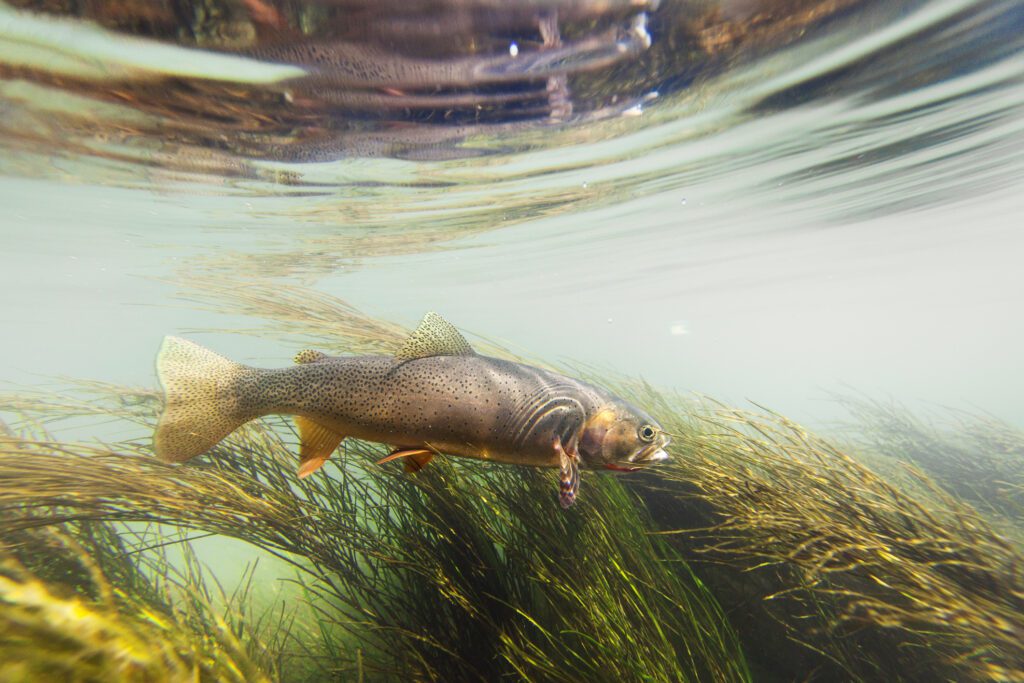
In trout fishing, presentation refers to the way in which a fly is presented to the fish. It’s not enough to simply cast a fly into the water and hope for the best. A good presentation is essential for enticing wary trout to take the bait. Here are some reasons why presentation is so important in trout fishing:
a. Realism: A good presentation makes the fly look as natural as possible, mimicking the behavior and movement of real insects and other prey. This realism is key to convincing trout to take the bait.
b. Stealth: A good presentation allows the fly to land on the water softly and without spooking the fish. Trout are sensitive to movement and noise, and a poor presentation can send them fleeing.
c. Depth: A good presentation allows the fly to sink to the desired depth in the water column, where the fish are feeding. If the fly is too high or too low, it’s unlikely to attract the attention of the fish.
d. Timing: A good presentation involves casting the fly to the right spot at the right time. This means understanding the behavior of the fish and the conditions of the water, and making adjustments as necessary.
e. Variation: A good presentation involves varying the speed, depth, and movement of the fly to keep the fish interested. Trout can be picky eaters, and a fly that doesn’t vary its presentation can quickly become boring and unappetizing.
Tippet is a crucial component of trout fishing gear, and it plays an important role in the presentation and success of a fly fishing rig. Here are some of the key roles that tippet plays in trout fishing:
a. Delicacy: Tippet is the thin, transparent line that connects the fly to the leader, and it allows for a delicate presentation of the fly. The thinner the tippet, the more natural the presentation of the fly on the water. A delicate presentation is essential for catching wary trout in clear, calm water.
b. Stealth: Tippet is also important for stealth, as it allows the fly to land on the water without spooking the fish. When fishing for trout, it’s important to use the lightest tippet that will still allow you to land the fish.
c. Strength: While tippet needs to be thin and delicate for presentation and stealth, it also needs to be strong enough to handle the weight of the fish. Tippet strength is measured in “X”, with higher numbers indicating thinner and weaker tippet, and lower numbers indicating thicker and stronger tippet.
d. Knot Strength: Tippet is also important for the strength of the knots used to tie the fly to the leader. A good tippet will allow for strong knots that won’t break when fighting a fish.
e. Durability: Finally, tippet needs to be durable enough to handle the wear and tear of fishing, including rubbing against rocks and other obstacles in the water. High-quality tippet materials are designed to be strong and abrasion-resistant, ensuring that they last as long as possible.
Tying your own trout flies can be a rewarding and cost-effective way to improve your fishing success. Here’s a step-by-step guide to tying a basic trout fly:
Materials:
Fly-tying vice
Bobbin
Thread
Hook
Hackle
Dubbing
Scissors
Steps:
1. Secure the hook in the vice, and begin wrapping the thread around the shank of the hook, starting from the eye and working your way down to the bend of the hook.
2. Take a small amount of dubbing and spin it onto the thread. Wrap the dubbed thread forward to form the body of the fly.
3. Tie in a hackle feather by the tip at the bend of the hook.
4. Wrap the hackle feather forward around the body of the fly, spacing the wraps evenly.
5. Tie off the hackle feather and trim the excess.
6. Build a small thread head at the eye of the hook and whip finish the thread to secure the fly.
7. Trim the excess thread.
This basic pattern can be modified with different materials, colors, and sizes to create a variety of effective trout flies. Practice and experimentation are key to developing your fly-tying skills and discovering what works best for your local fishing conditions. There are also many online tutorials and resources available to help you learn more advanced fly-tying techniques and patterns, we have added one in this article below as a good starting point if you would like to learn more about this fantastic hobby.
The best times of day and year to fish for trout can vary depending on a number of factors, including location, weather, and water conditions. Here are some general guidelines to keep in mind:
a. Time of Day: In general, trout tend to be most active in the early morning and late afternoon or evening, when the water is cooler and there is less direct sunlight. However, this can vary depending on the season, location, and weather conditions.
b. Season: Trout fishing can be good year-round, but some seasons are better than others. Spring and fall are typically the best times to fish for trout, as the water temperatures are more moderate and the fish are more active. In the summer, trout tend to seek out cooler, deeper water and can be more difficult to catch. In the winter, trout can be sluggish and may be less active, but can still be caught with the right techniques and gear.
c. Weather: Overcast or cloudy days can be ideal for trout fishing, as they provide cover for the fish and reduce the amount of direct sunlight on the water. Rainy or drizzly days can also be good, as they can increase water flow and provide cover for the angler.
d. Water Conditions: Trout prefer clear, clean water with moderate to fast flow, and will often seek out areas with cover such as rocks, logs, or overhanging vegetation. Pay attention to water temperature, as trout tend to be most active in water between 50-65°F (10-18°C). In general, cooler water will hold more active fish.
It’s important to keep in mind that these guidelines are not hard and fast rules, and that fishing can be unpredictable. The best way to find out the best times to fish for trout in your area is to get out on the water and observe the fish and their behavior. Pay attention to factors such as water temperature, flow, and the behavior of the fish to determine the best times to fish for trout in your area.
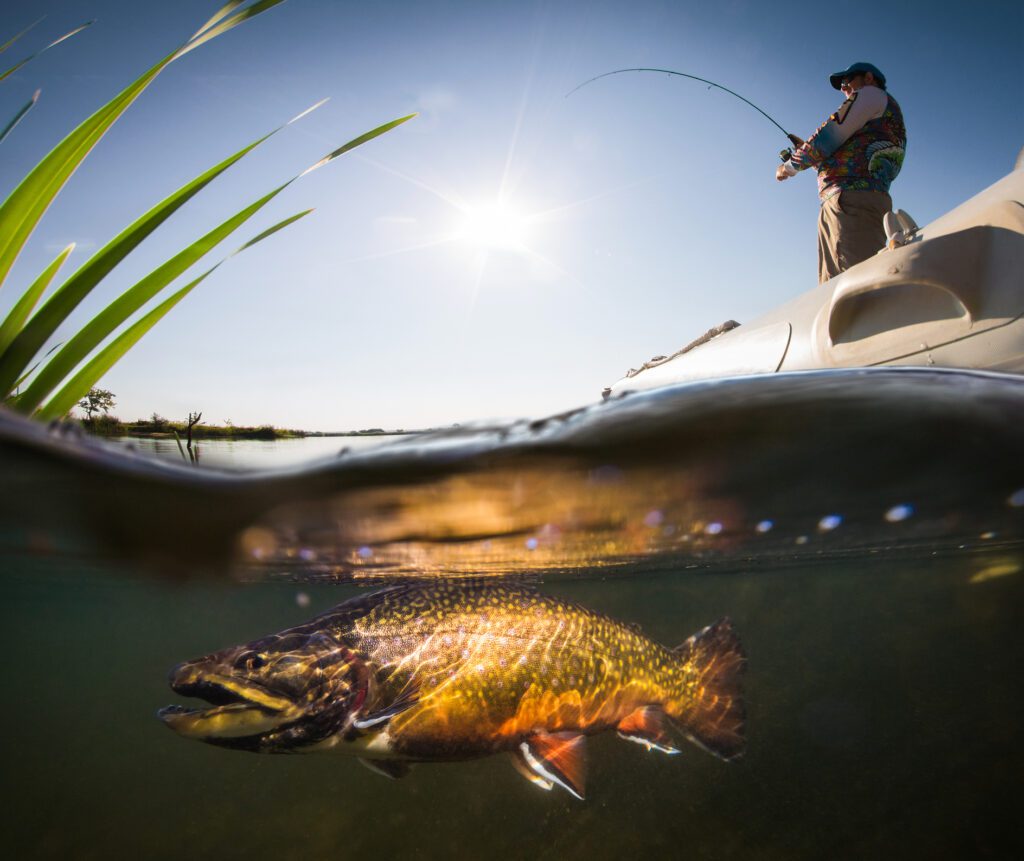
Trout feeding behavior can be influenced by a variety of factors, including water temperature, flow rate, and the availability of food. Weather can also play a role in determining when and how actively trout feed.
For example, changes in barometric pressure associated with weather patterns can affect the distribution of dissolved gases in the water, which in turn can affect the behavior of aquatic insects that are a primary food source for trout. Changes in wind speed and direction can also affect the movement of insects and other small animals on the surface of the water, which can influence when and where trout choose to feed.
In addition to this, weather patterns can influence the amount and type of food available to trout. Heavy rainfall or snowmelt can cause changes in water clarity, which can impact the visibility of prey and make it more difficult for trout to locate and catch food. On the other hand, warm, sunny weather can stimulate the growth of aquatic plants and algae, which can increase the availability of food for trout.
Overall, weather can have a complex and multifaceted impact on trout feeding behavior, and the specific effects will depend on a range of factors including the local ecosystem and the specific species of trout present.
Stalking trout requires a combination of patience, stealth, and knowledge of trout behavior. Here are some things you can try next time you’re out on the river or lake:
a. Approach slowly and quietly: Trout have excellent vision and hearing, so it’s important to approach them slowly and quietly to avoid spooking them. Move slowly and avoid making any sudden movements or loud noises.
b. Use cover to your advantage: Use natural cover, such as rocks or trees, to hide your approach and reduce your visibility to the fish. Keep in mind that trout are sensitive to movement on the surface of the water, so avoid casting shadows on the water or making sudden movements.
c. Cast accurately: Make accurate casts to minimize the amount of time your fly or lure spends in the water. Trout are less likely to bite if they see the same fly or lure repeatedly.
d. Use light line and small flies: Trout can be easily scared away by heavy lines and large, bulky flies. Use light line and small, natural-looking flies or lures that mimic the insects and other small animals that trout feed on.
e. Read the water: Look for areas where trout are likely to be feeding, such as riffles or pools, and focus your efforts on these areas. Pay attention to the movement of the water and look for any signs of fish activity, such as rising fish or swirling water.
d. Practice catch-and-release: Trout are a valuable resource, and it’s important to practice catch-and-release to ensure that they remain abundant for future generations. Handle fish gently and release them quickly to minimize stress and maximize their chances of survival.
Trout can be found in a variety of freshwater environments, including rivers, streams, and lakes. Here are some strategies for fishing for trout in different types of water:
a. Rivers and Streams: Look for areas where the water is moving, such as riffles, runs, and deep pools, as these are typically the areas where trout are feeding. Use light tackle and small, natural-looking flies or lures that mimic the insects and other small animals that trout feed on. Cast upstream and let your fly or lure drift downstream naturally, taking care to keep your line tight and avoid dragging your fly across the surface of the water.
b. Lakes: In lakes, trout are often found near underwater structures such as drop-offs, weed beds, or submerged logs. Use a depth finder to locate these structures and fish along the edges or in the openings within them. Trolling with a small, natural-looking lure or jig can be effective for catching trout in open water. Alternatively, use a fly or lure with a slow, twitching retrieve to imitate the movements of a wounded baitfish or insect.
c. Small Streams: In small streams, trout are often found in deeper pools or undercuts in the banks. Use a small, lightweight rod and reel with a light tippet and a small dry fly or nymph. Cast upstream and let your fly drift naturally downstream, taking care to avoid spooking the fish by casting too close or making too much noise.
d. Spring Creeks: Spring creeks are known for their clear water and challenging fishing conditions. Look for areas where the water is moving, such as riffles and runs, as well as areas with overhead cover such as fallen logs or overhanging branches. Use light tackle and small, natural-looking flies that match the size and color of the insects and other small animals that trout feed on.
Overall, the key to successful trout fishing in different types of water is to understand the behavior and feeding habits of the fish and to adjust your strategies and techniques accordingly. Take time to observe the water and the fish, and be patient and persistent in your efforts to catch trout.
Water temperature can have a significant effect on the behavior of trout, as it can impact their metabolism, feeding habits, and overall activity level. Here are some ways that water temperature can affect trout behavior:
a. Metabolism: Trout are cold-blooded animals, meaning that their body temperature is determined by the temperature of the water around them. As the water temperature increases, so does their metabolism, which can increase their activity level and feeding behavior. Conversely, as the water temperature decreases, their metabolism slows down, which can cause them to become lethargic and less active.
b. Feeding Habits: Water temperature can also affect the types of food that trout feed on. As the water temperature increases, aquatic insects and other small animals become more active, which can make them more available as a food source for trout. Additionally, warm water can cause algae blooms and other plant growth, which can provide additional food sources for trout. However, if the water temperature becomes too warm, it can also cause a decrease in oxygen levels, which can make it more difficult for trout to breathe and feed.
c. Activity Level: The overall activity level of trout can also be affected by water temperature. In general, trout tend to be most active when the water temperature is in the range of 50 to 65 degrees Fahrenheit. Outside of this range, they may become less active or seek out areas with cooler water temperatures to conserve energy.
d. Migration: Water temperature can also affect the migration patterns of trout. In the spring, as water temperatures warm up, trout may move upstream to spawn. In the summer, they may seek out cooler water temperatures in deeper pools or areas with shade. In the fall, they may move downstream in preparation for the winter.
Understanding the effect of water temperature on trout behavior can be an important factor in determining the best fishing strategies and techniques. By monitoring water temperature and adjusting your approach accordingly, you can increase your chances of success in catching trout.
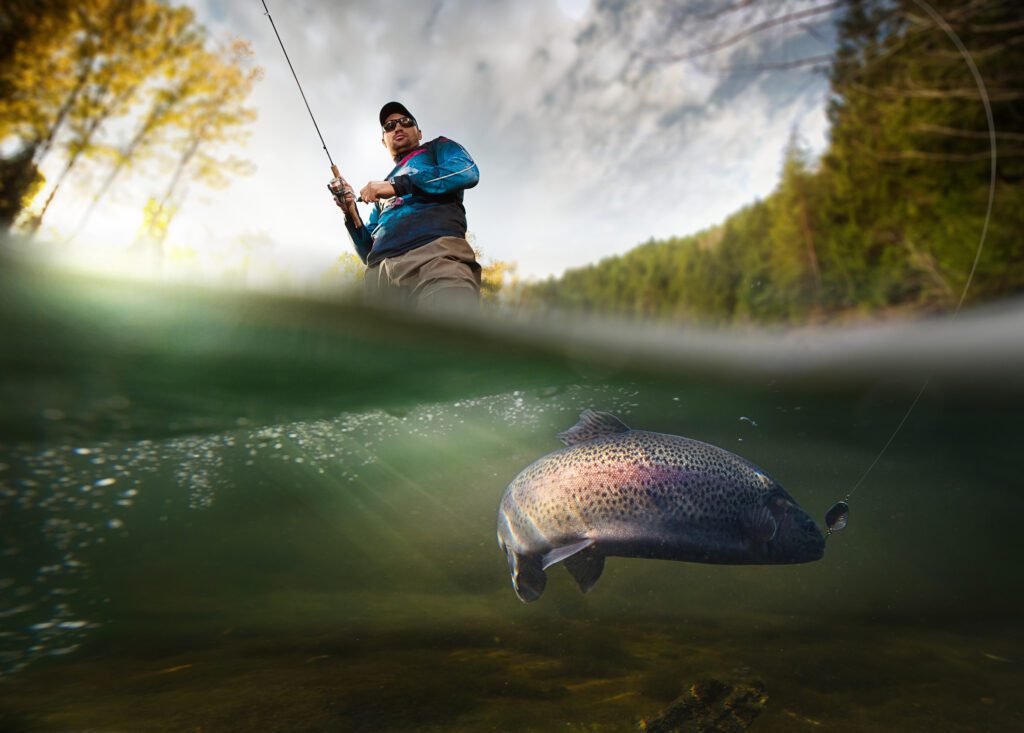
Fishing in crowded areas can be challenging, but with the right strategies and techniques, you can still have success when fly fishing for trout. Here are some tips for next time you find yourself out on the water surrounded by other keen anglers:
a. Be Respectful: When fishing in crowded areas, it’s important to be respectful of other anglers and to follow proper etiquette. Give other anglers plenty of space and avoid casting over their lines. Be polite and friendly, and respect their right to fish in the same area as you.
b. Stay Mobile: If you find that an area is particularly crowded, consider moving to a different spot. Look for areas that are less crowded or that have fewer anglers fishing at the same time. This can help you avoid getting in other anglers’ way and can increase your chances of finding fish that haven’t been spooked by other anglers.
c. Use Stealth: When fishing in crowded areas, it’s important to use stealth and avoid making too much noise or movement that could spook the fish. Approach the water slowly and quietly, and avoid wading too close to the fish. Use longer casts to keep your fly away from other anglers and to avoid spooking fish in the area.
d. Try Different Techniques: When fishing in crowded areas, it can be helpful to try different techniques and flies to see what works best. If the fish are particularly wary, try using smaller flies or lighter tippets to make your presentation more subtle. Consider fishing deeper pools or areas with more structure, where fish may be more likely to hide.
e. Be Patient: Fishing in crowded areas can require more patience and persistence than fishing in more secluded areas. Take your time and be prepared to wait for the fish to become more active or for other anglers to move on. Remember that fishing is often about the experience as much as the catch, so enjoy the scenery and the company of other anglers while you wait for your chance to hook a trout.
Fishing in crowded areas requires a combination of patience, respect, and strategy. By following these tips, you can increase your chances of success and enjoy the experience of fishing in even the most crowded areas.
Spotting rising trout is an essential skill for any fly fisherman. Here are a few tips to help you identify rising trout on your next fly fishing getaway:
a. Look for Ripples: When trout rise to feed on the surface, they create small ripples or dimples in the water. Look for these subtle disturbances on the surface of the water, especially in calmer sections of the river or stream.
b. Watch for Movement: Keep an eye out for any movement on the surface of the water. Look for small swirls or splashes, which can indicate the presence of feeding trout.
c. Look for Bubbles: Trout often feed on insects that are trapped in the surface film of the water. Look for bubbles or small patches of foam on the surface of the water, which can indicate the location of feeding fish.
d. Observe the Water Current: Trout tend to face upstream and feed in areas with slower-moving water. Look for slower-moving sections of the river or stream, such as eddies or behind rocks or logs, where trout are likely to be feeding.
e. Use Polarized Sunglasses: Wearing polarized sunglasses can help you see into the water and spot rising trout more easily. The polarized lenses reduce the glare on the surface of the water and allow you to see more clearly.
Remember, spotting rising trout takes practice and patience. By using these tips and observing the water carefully, you can improve your chances of identifying feeding fish and catching more trout.
Besides our website where we aim to be the primary resource for fishing information, techniques and fishing gear reviews on the internet, there are many resources available for learning more about fly fishing for trout. Here are a few to consider next time you find yourself wanting to learn more:
a. Fly Fishing Magazines: Magazines like Fly Fisherman, Fly Tyer, and American Angler often feature articles and tips on fly fishing for trout. These magazines are a great way to stay up to date on the latest trends, techniques, and gear.
b. Online Resources: There are many online resources available for learning more about fly fishing for trout. Websites like Orvis and Trout Unlimited offer articles, videos, and other resources to help anglers of all skill levels.
c. Fly Fishing Guides: Hiring a fly fishing guide can be a great way to learn more about fly fishing for trout. A guide can teach you about the local area, help you improve your casting technique, and provide tips on how to catch more fish.
d. Fly Fishing Schools: Fly fishing schools, like the Orvis Fly Fishing School, offer classes and workshops on fly fishing for trout. These schools can provide a more structured learning environment and are a great way to improve your skills and meet other anglers.
e. Fly Fishing Books: There are many books available on fly fishing for trout, covering everything from the basics of fly fishing to more advanced techniques. Some popular titles include “The Orvis Guide to Fly Fishing” from amazon, “Trout Bum” from Amazon and “The Art of Fly Fishing” from Amazon.
f. Local Fly Shops: Local fly shops can be a great resource for learning more about fly fishing for trout in your area. The staff at these shops are often experienced anglers who can provide advice on the best flies to use, local fishing conditions, and other helpful tips.
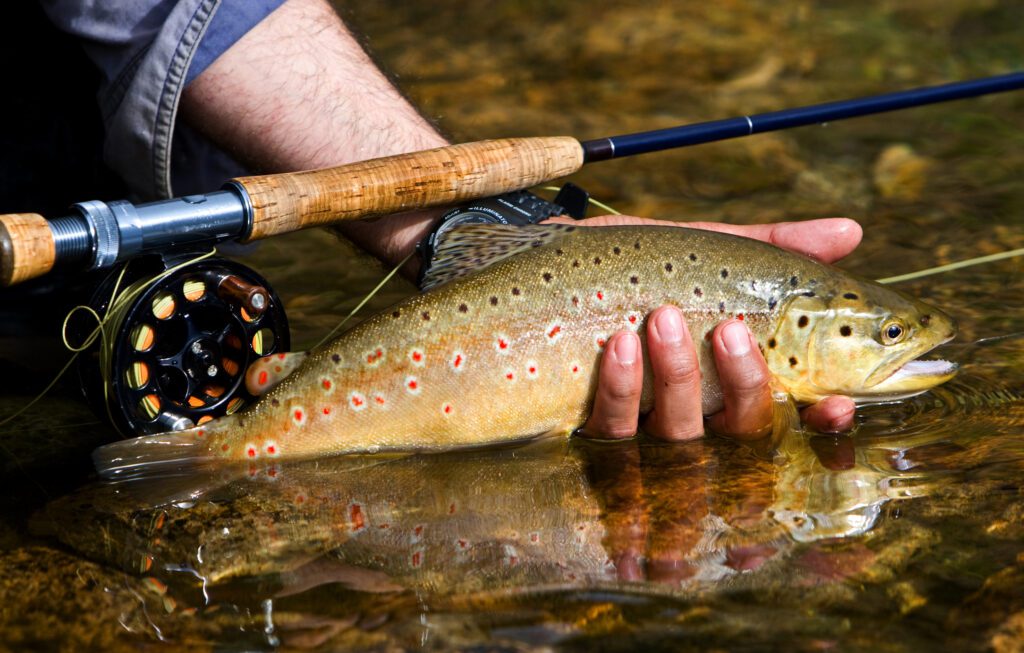
In conclusion, fly fishing for trout is a challenging and rewarding pursuit that requires skill, patience, and a deep understanding of the fish and their habitat. By following these 20 tips, techniques, and strategies, you can improve your chances of catching more trout and enhance your overall fly fishing experience.
From understanding the effects of water temperature and weather conditions on trout behavior to using the right equipment and techniques for different types of water, these tips cover a wide range of topics that are essential for success in fly fishing for trout. Whether you’re a beginner or an experienced angler, there’s something here for everyone.
Remember, fly fishing for trout is not just about catching fish, but also about enjoying the beauty of nature, the thrill of the chase, and the satisfaction of a well-placed cast. With patience, practice, and a willingness to learn, you can become a skilled and successful trout angler and enjoy the many rewards that this pursuit has to offer. So, grab your gear, hit the water, and until next time happy fishing!
As an avid fisherman myself, I know firsthand how important it is to have access to accurate information and reliable gear when it comes to catching the big one. That's why I started Fishing Tips Pro - to provide fellow anglers like you with a one-stop-shop for all things fishing.
Whether you're a seasoned pro or a novice just starting out, our team of experts is dedicated to bringing you the latest and greatest in fishing tips, techniques, and gear reviews. We cover everything from fly fishing for trout in mountain streams to trolling for giant marlin in the deep blue sea.
But Fishing Tips Pro isn't just about information - it's about community. We believe that the best way to improve your skills and increase your enjoyment of the sport is to connect with other anglers who share your passion. That's why we encourage our readers to join the conversation by commenting on our articles, sharing their own tips and stories, and connecting with us on social media.
So if you're looking for a reliable source of fishing information and a supportive community of fellow anglers, you've come to the right place. Welcome to Fishing Tips Pro - we can't wait to help you catch your next big fish and read your story about it!