
If you’re an avid angler or seafood lover, chances are you’ve heard of the channel catfish and blue catfish. Both of these species are highly sought-after for their sport fishing and culinary value, but many people struggle to distinguish between the two. In this article, we’ll delve into the similarities and differences between channel catfish vs blue catfish, covering everything from their physical characteristics and habitats to their diets and taste. Whether you’re looking to catch them for sport or serve them up on your dinner plate, understanding the unique features of each catfish species is essential. So sit-back, relax, and let’s get into it!
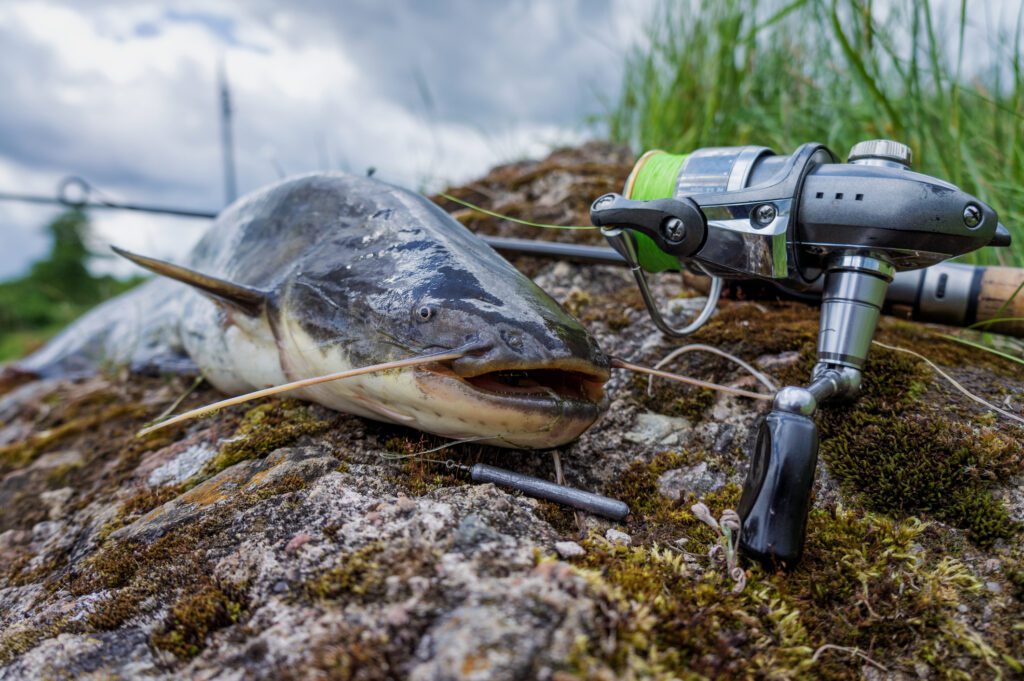
Channel catfish and blue catfish are two distinct species of catfish that have several key differences in terms of size, coloration, and body shape.
Size: Blue catfish tend to be larger than channel catfish, with the former species commonly reaching weights of 50-100 pounds and lengths of over 4 feet. Channel catfish are usually smaller, with weights ranging from 1 to 40 pounds and lengths up to 3 feet.
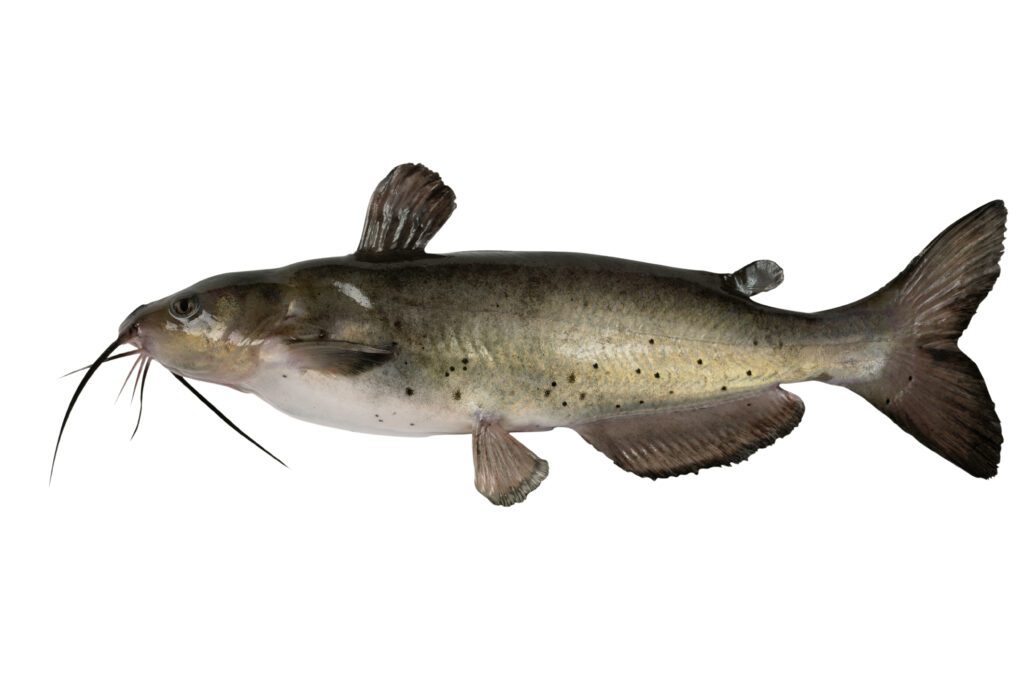
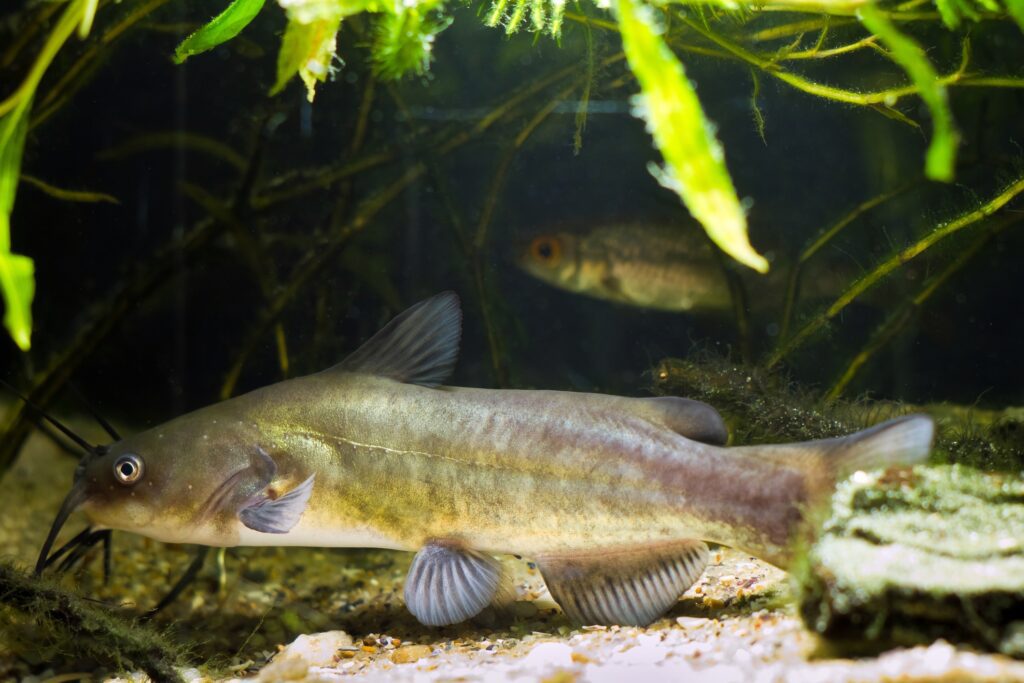
Coloration: Blue catfish are typically blue-gray in color, while channel catfish are olive-brown or grayish-brown. Blue catfish also tend to have a darker dorsal fin, while the dorsal fin of a channel catfish is usually more uniform in color.
Body Shape: Blue catfish have a more streamlined body shape than channel catfish, with a wider head and longer, more slender body. The mouth of a blue catfish is located at the bottom of the head, while the mouth of a channel catfish is located further forward and has a more rounded appearance.
In addition to these differences, blue catfish also have a forked tail, while channel catfish have a rounded tail. Both species have sharp spines on their pectoral and dorsal fins, but the spines on blue catfish are typically thicker and more rigid than those on channel catfish. These differences in size, coloration, and body shape make it relatively easy to distinguish between channel catfish and blue catfish, even for novice anglers.
Channel catfish and blue catfish can be found in a variety of freshwater environments throughout North America. While both species are often found in rivers and lakes, they have slightly different habitat preferences.
Channel catfish are typically found in warm, slow-moving waters such as rivers, streams, and ponds. They tend to prefer areas with some cover, such as logs, rocks, or submerged vegetation, and will often congregate near underwater structures. In terms of water conditions, channel catfish prefer warm water temperatures between 75-85 degrees Fahrenheit, with a pH range of 7.0-8.5.
Blue catfish, on the other hand, are more commonly found in large, deep rivers and reservoirs. They are often associated with strong currents and deep holes, and tend to congregate in areas with steep drop-offs and underwater ledges. Blue catfish can tolerate a wider range of water temperatures than channel catfish, with a preference for cooler water temperatures between 65-75 degrees Fahrenheit. They also prefer a pH range of 6.5-8.5, but can tolerate slightly more acidic conditions than channel catfish.
Both species are adaptable and can tolerate a range of environmental conditions, but understanding their habitat preferences can be useful for anglers looking to target them. When fishing for channel catfish, focus on areas with some cover and slower-moving water, while targeting blue catfish may require deeper waters with stronger currents.
Both channel catfish and blue catfish are opportunistic feeders, meaning they will eat a variety of prey depending on what is available. However, there are some differences in their feeding behaviors and preferred prey.
Channel catfish are bottom-feeders and will feed on a variety of food sources, including aquatic insects, crustaceans, mollusks, and small fish. They are also known to scavenge on dead or decaying organic matter, such as dead fish or plant material. When feeding, channel catfish will use their barbels to locate prey on the bottom of the water, and then use their strong jaws to suck in the prey.
Blue catfish are also bottom-feeders, but tend to have a more predatory feeding behavior than channel catfish. They are known to feed on a variety of prey, including small fish, crustaceans, mollusks, and insects. However, they are more likely to actively hunt their prey than channel catfish, and will pursue larger prey such as shad or other fish species. When feeding, blue catfish will use their sense of smell to locate prey, and then use their strong jaws and sharp teeth to capture and consume the prey.
Both species of catfish are primarily nocturnal feeders, meaning they are most active at night. However, they will also feed during the day if food is available. Additionally, both species are opportunistic and will feed on what is available, with their preferred prey often depending on the specific environment and available food sources.
Catching channel catfish and blue catfish can be an exciting and rewarding experience for anglers of all skill levels. Here are some tips for selecting the best fishing methods and gear for these two species:
Bait Selection: Both channel catfish and blue catfish are attracted to a wide variety of bait, including live and cut bait, as well as artificial lures. Here are some popular bait options for each species:
Channel Catfish: worms, minnows, chicken liver, stink baits, and prepared dough baits.
Blue Catfish: shad, skipjack herring, bluegill, sunfish, and other larger fish species.
Gear Recommendations: When selecting gear for catfishing, it’s important to choose equipment that is sturdy enough to handle the size and strength of these fish. Here are some gear recommendations for each species:
Channel Catfish: Medium to heavy action spinning or baitcasting rods, with a 6-8 pound test line or 10-20 pound test line. Use a size 4/0 to 6/0 circle hook, and a 1-2 ounce weight depending on the current and depth of the water.
Blue Catfish: Heavy action spinning or baitcasting rods, with a 20-30 pound test line or higher. Use a size 7/0 to 9/0 circle hook, and a 2-4 ounce weight depending on the current and depth of the water.
Fishing Methods: There are several fishing methods that can be effective for catching both channel catfish and blue catfish, including:
Bottom fishing: Both species are bottom feeders, so fishing on the bottom with live or cut bait can be an effective method. Use a weight to keep the bait on the bottom, and let the current or wind drift the bait along.
Jug fishing: Jug fishing is a popular method for catching catfish. Attach a line with bait to a jug or buoy, and let it drift with the current. When the jug starts to move, reel in the line and retrieve the fish.
Trotline fishing: A trotline is a long line with multiple hooks that is set along the bottom of a river or lake. This method can be effective for catching both species of catfish, but requires some preparation and planning.
Selecting the right bait, gear, and fishing method can help increase your chances of catching channel catfish and blue catfish. Remember to always follow local fishing regulations, and practice catch-and-release to help preserve these important species for future generations.
The flavor and texture of channel catfish and blue catfish can vary slightly, with each species having its own unique characteristics. Here is a comparison of the flavor and texture of these two catfish species, as well as some tips for cooking each fish:
Flavor:
Channel Catfish: Channel catfish has a mild, sweet flavor with a slightly nutty taste. It has a tender, flaky texture that is moist and delicate.
Blue Catfish: Blue catfish has a richer, more distinct flavor than channel catfish. It has a firmer, meatier texture and a buttery, savory taste.
Cooking Tips:
Channel Catfish: Channel catfish can be grilled, fried, or baked. To enhance its flavor, consider marinating it in a mixture of herbs, spices, and citrus juice before cooking. It can also be coated in a seasoned cornmeal or flour mixture and pan-fried or deep-fried.
Blue Catfish: Blue catfish is a popular fish for smoking, grilling, or baking. Its firm texture makes it ideal for cooking over a flame or on a grill. Consider using a rub or marinade with bold flavors, such as garlic, paprika, or cumin, to enhance its savory taste.
When cooking either species of catfish, it is important to make sure it is cooked to an internal temperature of 145°F to ensure it is safe to eat. Overcooking can cause the fish to become dry and tough, so be careful not to cook it for too long.
Both channel catfish and blue catfish have their own unique flavor and texture profiles. Experiment with different cooking methods and seasonings to find the preparation that best suits your taste preferences.
The conservation status of channel catfish and blue catfish is currently of concern due to overfishing and habitat degradation. Both species are popular game fish and are heavily targeted by recreational and commercial anglers.
The International Union for Conservation of Nature (IUCN) has not yet assessed the conservation status of channel catfish and blue catfish. However, several states within the United States, where these species are found, have recognized the need to conserve them and have implemented various management strategies to protect them.
For example, many states have established minimum size limits and bag limits on the number of catfish that can be harvested. These regulations are designed to prevent overfishing and ensure that catfish populations can continue to reproduce and sustain healthy populations. Before you go fishing, ensure you check your local regulations online so you know the rules.
Additionally, some states have implemented management programs as the blue catfish can be considered as a nuisance due to their unusually long lifespan, size, and predatory nature. Efforts have been put in place to manage the species before it dominates the ecosystem.
There are also organizations, such as the Catfish Conservation Group, that are dedicated to promoting the conservation and sustainable management of catfish populations. These groups work to educate the public on the importance of conservation and advocate for the implementation of effective management strategies.
The conservation and management status of channel catfish and blue catfish is a concern, and efforts are being made to both protect these species while also managing their numbers in certain regions. It is important that anglers and conservation organizations work together to ensure the long-term sustainability of catfish populations and protect and manage them for future generations.
Channel catfish and blue catfish are known to grow to impressive sizes, and there are many records of large catches. Here are some notable catches of channel catfish and blue catfish, along with where they were caught:
Channel Catfish:
The world record for the largest channel catfish ever caught is 58 pounds, caught in Santee Cooper Reservoir in South Carolina in 1964.
In 2006, a 47-pound channel catfish was caught in the Mississippi River near St. Louis, Missouri.
In 2019, a 36-pound channel catfish was caught in Lake Wichita in Texas.
Blue Catfish:
The world record for the largest blue catfish ever caught is 143 pounds, caught in the Missouri River in Kansas in 2010.
In 2011, a 130-pound blue catfish was caught in the Mississippi River near Alton, Illinois.
In 2018, a 120-pound blue catfish was caught in Lake Texoma on the Texas-Oklahoma border.
These catches demonstrate the impressive size that channel catfish and blue catfish can reach, and highlight the appeal of these species as trophy fish for many anglers. It is important to note, however, that responsible catch-and-release practices are crucial for protecting these large fish and ensuring healthy populations for the future.
Lifespan: Channel catfish can live up to 20 years in the wild, while blue catfish can live up to 30 years or more.
Reproductive habits: Both channel catfish and blue catfish are typically sexually mature by 2-3 years of age. They spawn in the spring and early summer, with males building nests in shallow waters and females laying eggs in the nests. After hatching, the young catfish stay in the nests for a few days before swimming off on their own.
Sensory abilities: Catfish have a highly developed sense of smell and taste, which they use to locate food. They also have a specialized organ called a “weberian apparatus,” which allows them to detect sound vibrations and changes in water pressure.
Catfish farming: Both channel catfish and blue catfish are popular choices for aquaculture, or fish farming. In the United States, catfish farming is most commonly done in southern states like Mississippi, Alabama, and Arkansas.
Invasive species: Blue catfish have been introduced to some areas outside of their native range and can be considered an invasive species in those areas. For example, blue catfish were introduced to Virginia’s James River in the 1970s and have since become a dominant predator, threatening native fish species.
Both channel catfish and blue catfish have significant economic value in the United States, with impacts on both recreational fishing and commercial markets.
Recreational fishing is a major industry in many parts of the country, and both channel catfish and blue catfish are popular game fish that draw anglers to lakes and rivers. Anglers may spend money on gear, licenses, travel, and other expenses related to fishing trips, contributing to local economies. Additionally, many fishing tournaments and events are focused specifically on catfish, providing opportunities for tourism and economic growth.
In addition to their recreational value, channel catfish and blue catfish are also important species for commercial markets. The majority of catfish sold in the United States is farm-raised, and catfish farming is a significant industry in southern states like Mississippi, Alabama, and Arkansas. In 2020, the farm value of catfish produced in the United States was over $130 million, with over 27 million pounds of catfish sold.
Both channel catfish and blue catfish are sought-after species in commercial markets, with the majority of catfish sold in the United States being processed into fillets. In recent years, however, there have been concerns about the impact of imports on the domestic catfish industry. Imported catfish, particularly from Asia, have lower production costs and can be sold at a lower price, which has led to increased competition for domestic catfish farmers.
In conclusion, channel catfish and blue catfish are two distinct species that are both highly valued for their recreational and economic significance in the United States. They have different physical characteristics, preferred habitats, feeding behaviors, and are caught using different fishing methods. Additionally, each species has unique qualities in terms of flavor and texture, making them popular choices for both recreational and commercial fishing.
However, as with any fish species, there are concerns about conservation and sustainability. Efforts are being made to protect and manage these species to ensure their populations remain healthy for future generations. As we continue to learn more about these species and their ecological significance, it is important that we also work towards finding sustainable ways to fish and farm catfish.
Overall, channel catfish and blue catfish are fascinating and valuable species with much to offer in terms of recreation, economics, and conservation. By understanding their differences and similarities, we can appreciate and enjoy these amazing fish while also working to protect them and their habitats for the future.

As an avid fisherman myself, I know firsthand how important it is to have access to accurate information and reliable gear when it comes to catching the big one. That's why I started Fishing Tips Pro - to provide fellow anglers like you with a one-stop-shop for all things fishing.
Whether you're a seasoned pro or a novice just starting out, our team of experts is dedicated to bringing you the latest and greatest in fishing tips, techniques, and gear reviews. We cover everything from fly fishing for trout in mountain streams to trolling for giant marlin in the deep blue sea.
But Fishing Tips Pro isn't just about information - it's about community. We believe that the best way to improve your skills and increase your enjoyment of the sport is to connect with other anglers who share your passion. That's why we encourage our readers to join the conversation by commenting on our articles, sharing their own tips and stories, and connecting with us on social media.
So if you're looking for a reliable source of fishing information and a supportive community of fellow anglers, you've come to the right place. Welcome to Fishing Tips Pro - we can't wait to help you catch your next big fish and read your story about it!