

In the realm of gastronomy, the art of trout filleting shines as a culinary skill that promises to elevate your cooking prowess and ignite your taste buds with unparalleled delights. As you embark on this captivating journey, you will unlock a world of flavors and textures that are only attainable through the mastery of trout filleting.
Picture yourself standing at the cutting board, knife in hand, delicately removing the shimmering scales from a freshly caught trout. With each precise stroke, you reveal succulent fillets that hold the potential to become culinary masterpieces. Learning the art of trout filleting empowers you to take control of your culinary creations, as you hand-select the finest trout, ensuring the utmost freshness and quality for your dishes. From delicate pan-seared fillets infused with aromatic herbs to exquisite oven-baked creations, the possibilities become endless when you possess the skill of trout filleting. So, step into this world of culinary artistry, and let the journey begin.
Hey there! I’m really excited to share this article with you. Full disclosure: some of the links in this article are affiliate links, which means that if you make a purchase through these links, we may earn a commission at no extra cost to you. As someone who values honesty and transparency, I want you to know that we only recommend products that have been thoroughly researched, tested and we believe in. Your support through these affiliate links helps me to keep creating valuable content and provide for my family. Thank you for your support!
To achieve successful trout filleting, it is crucial to have the right tools and equipment at your disposal. Here are the essential items you’ll need to ensure efficient and precise filleting:
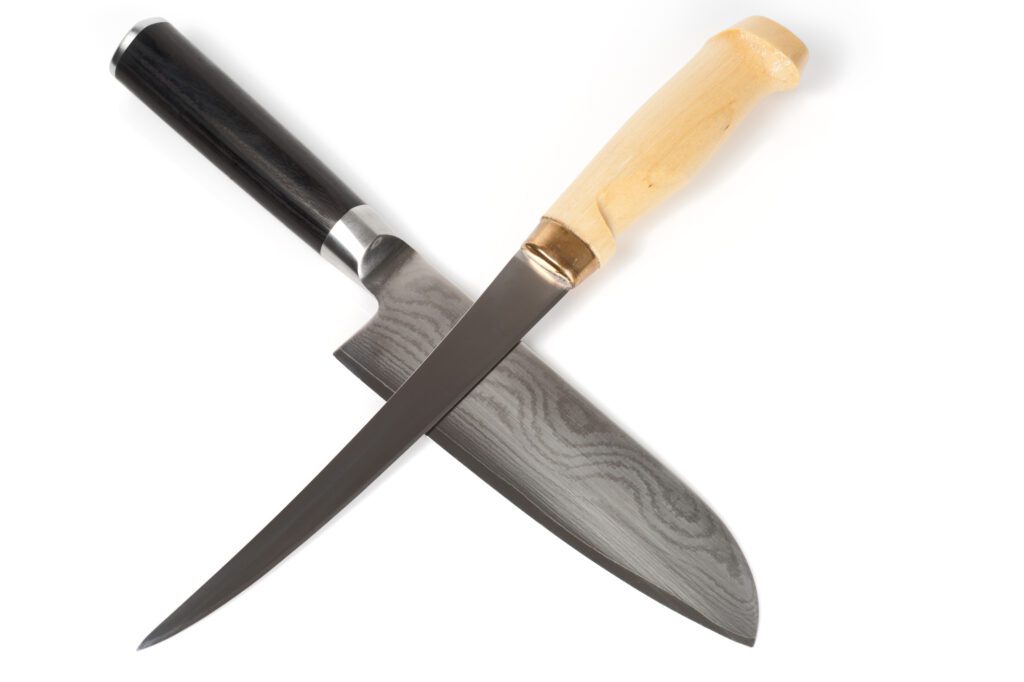
Fillet Knife: A sharp and flexible fillet knife is the backbone of trout filleting. Opt for a knife with a thin, narrow blade (typically around 6-8 inches) that allows for precise cuts and easy maneuverability around bones and contours. Look for high-quality stainless steel blades that maintain their sharpness and offer excellent corrosion resistance.
Cutting Board: Choose a durable and non-slip cutting board to provide a stable surface for filleting. An ideal cutting board for trout filleting is made of wood or food-grade plastic, ensuring easy cleaning and minimizing the risk of cross-contamination. Consider using a cutting board with a groove or a raised edge to catch any liquids or juices during the filleting process.
Tweezers or Pliers: To remove pin bones from the fillets, a pair of fine-tipped tweezers or needle-nose pliers are indispensable. These tools allow for precise extraction of any remaining bones, ensuring a smooth and enjoyable eating experience. Look for tweezers with a firm grip and pointed tips for effective bone removal.
Fish Grip or Fish Cleaning Gloves: Handling slippery fish can be challenging, and a fish grip or a pair of fish cleaning gloves can provide a secure grip and protect your hands from potential cuts. These tools ensure a firm hold on the fish, enhancing safety and control during the filleting process.
Kitchen Towels or Paper Towels: Keep a few kitchen towels or paper towels nearby for wiping your hands, cleaning the knife, or drying the fish before filleting. They come in handy for maintaining hygiene and preventing cross-contamination during the filleting process.
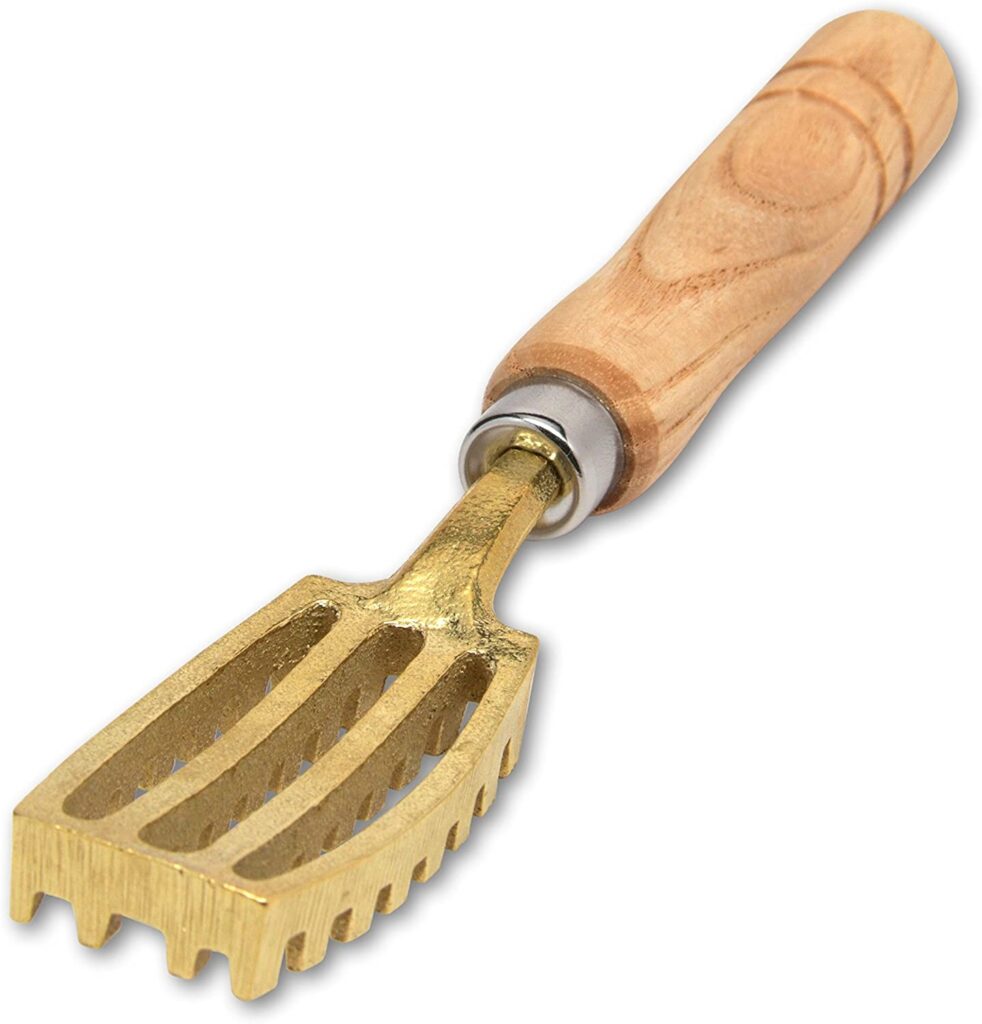
Fish Scaler: While not essential, a fish scaler can be handy for removing the scales from the trout’s skin before filleting. It helps to achieve a clean and professional presentation. Choose a fish scaler with a comfortable handle and sturdy, serrated edges to efficiently remove scales without damaging the fish’s skin.
Follow this step-by-step guide for efficient and precise filleting:
Step 1: Gather your tools and prepare the workspace.
Ensure you have a sharp fillet knife, a clean cutting board, and a towel or non-slip mat for stability.
Rinse the trout under cold water and pat it dry with a paper towel.
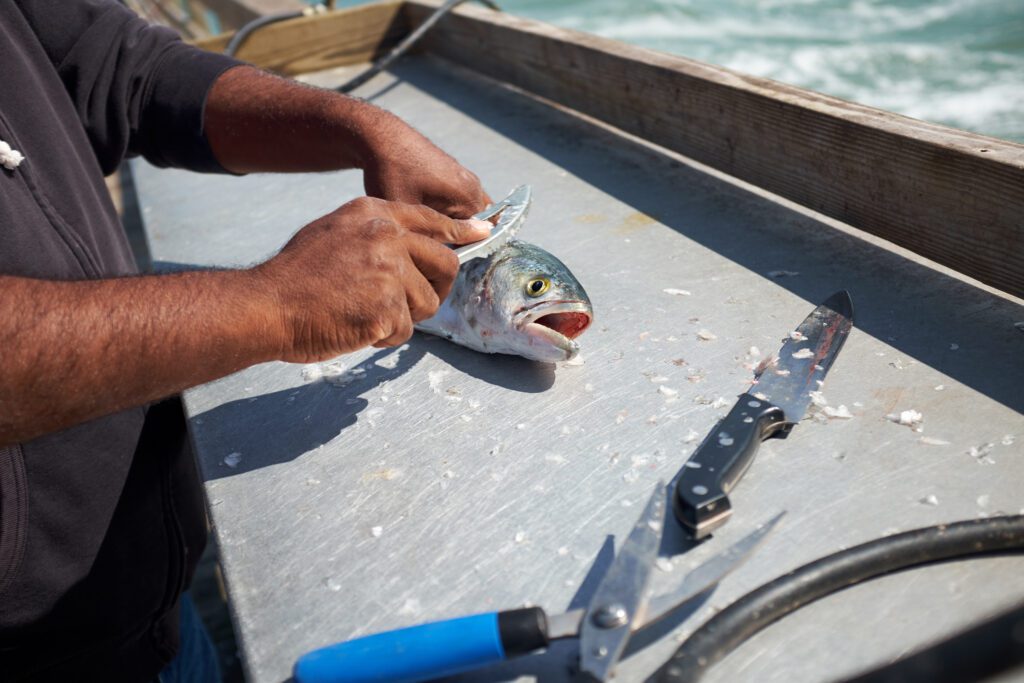
Step 2: Scaling the trout.
Hold the trout firmly by the head or tail, ensuring a good grip.
Using the fish scaler, start from the tail and scrape the scales towards the head, applying moderate pressure.
Work systematically, scaling both sides of the trout and paying extra attention to the area around the dorsal fin and belly.
Step 3: Preparing the trout for filleting.
Lay the trout on the cutting board with its belly facing upward.
Make a shallow incision just behind the gills, running towards the tail to open the belly cavity.
Step 4: Removing the head and viscera.
Hold the trout by the head and use the fillet knife to make a diagonal cut through the flesh, just behind the gills.
With the knife blade angled slightly downward, cut through the neck joint to separate the head from the body.
Reach into the belly cavity and gently remove the internal organs.

Step 5: Filleting the trout.
Starting from the tail end, insert the fillet knife between the flesh and the rib bones, angling the knife towards the head.
Run the knife along the backbone, applying gentle pressure to separate the flesh from the bones.
Continue this motion, carefully lifting the fillet away from the bones, until you reach the head end.
Flip the trout over and repeat the process to fillet the other side.

Step 6: Trimming and portioning the fillets.
Examine the fillets and trim away any remaining rib bones, pin bones, or excess fat.
To portion the fillets, decide on the desired size and cut them accordingly, ensuring even portions.
Step 7: Rinse and store the fillets.
Rinse the fillets under cold water to remove any stray scales or debris.
Pat them dry with a paper towel and store them in an airtight container or wrap them tightly in plastic wrap before refrigerating or freezing.

Proper Handling:
Keep the trout chilled before filleting to maintain its freshness and firmness.
Handle the fillets gently to avoid breaking or tearing the delicate flesh.
Use a sharp knife for clean and precise cuts, reducing the risk of damaging the fillets.
Skinning the Fillets:
If you prefer skinless fillets, place the fillet skin-side down on the cutting board.
Starting from the tail end, insert the knife blade between the flesh and the skin at a shallow angle.
Hold the skin firmly and slide the knife along the length of the fillet, separating the flesh from the skin with smooth, steady motions.
Deboning the Fillets:
Run your fingers along the fillet to locate any remaining pin bones. Use tweezers or needle-nose pliers to grip the pin bones firmly and pull them out in the direction they are pointing.
Check for any smaller bones and remove them carefully using the same technique.
Presentation Techniques:
For an elegant presentation, leave the skin intact on the fillet and cook it with the skin side down.
When plating, arrange the fillets with the crispy skin facing upwards for a visually appealing dish.
Seasoning and Marinating:
Enhance the flavor of trout fillets by seasoning them with salt, pepper, and herbs like dill, thyme, or lemon zest.
Consider marinating the fillets in a mixture of olive oil, lemon juice, garlic, and herbs for added flavor and tenderness.
Cooking Methods:
Pan-Searing: Heat a skillet with oil or butter over medium-high heat. Place the seasoned trout fillets in the skillet, skin-side down, and cook for a few minutes until the skin is crispy. Flip the fillets and continue cooking until they are opaque and flake easily.
Grilling: Preheat the grill to medium-high heat and lightly oil the grates. Place the seasoned fillets on the grill, skin-side down, and cook for about 4-6 minutes per side until cooked through and nicely charred.
Baking: Preheat the oven to a moderate temperature (around 375°F/190°C). Place the seasoned fillets on a baking sheet lined with parchment paper and bake for about 10-12 minutes until the flesh is opaque and flakes easily.
Handling Slippery Fish:
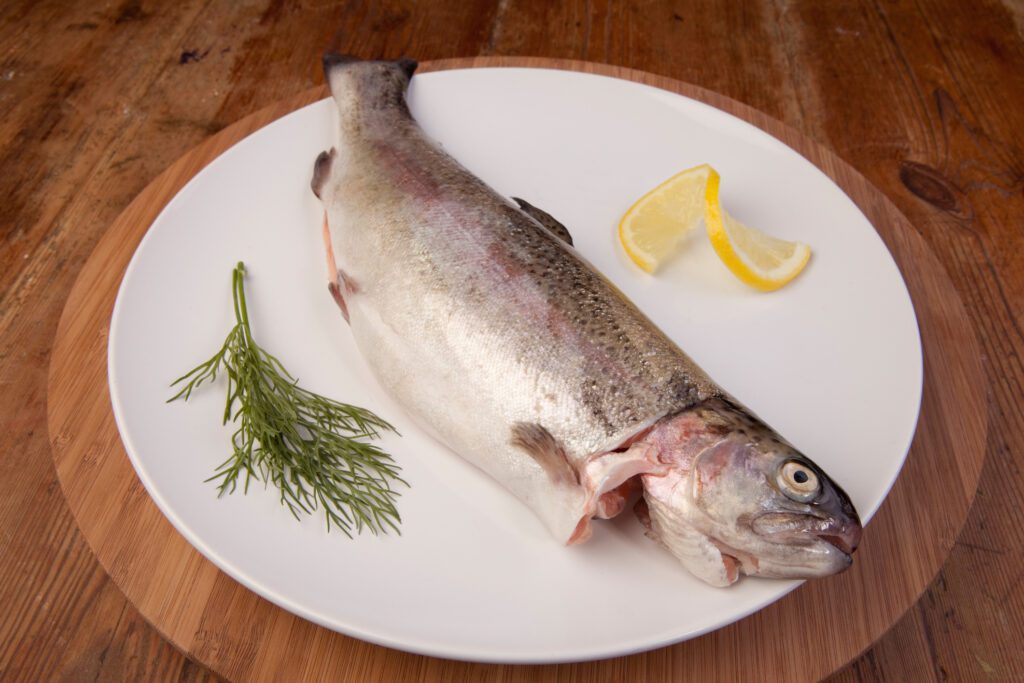
Challenge: Holding onto a slippery trout can be challenging, making it difficult to maintain control while filleting.
Solution: Place a clean towel or non-slip mat under the cutting board to provide stability. Additionally, wearing cut-resistant gloves can improve grip and protect your hands.
Removing Pin Bones:
Challenge: Pin bones can be small and challenging to locate, especially for beginners.
Solution: Run your fingers along the fillet to feel for any bones. Use tweezers or needle-nose pliers to grasp and gently pull out the pin bones, following their direction. If needed, use a flashlight or hold the fillet against a light source to make the bones more visible.
Tearing or Breaking Fillets:
Challenge: Inexperienced handling or using a dull knife can lead to torn or broken fillets.
Solution: Handle the fillets gently and use a sharp fillet knife for clean cuts. Take your time and use controlled, smooth motions to ensure precision and minimize the risk of damaging the fillets.
Overcooking the Fillets:
Challenge: Trout fillets can easily become dry and lose their delicate texture if overcooked.
Solution: Cook trout fillets just until they are opaque and easily flake with a fork. Avoid leaving them on the heat for too long. Remember that residual heat will continue to cook the fish after it’s removed from the heat source.
Wasting Meat:
Challenge: Inefficient filleting techniques can result in wasted meat or leaving behind excess flesh.
Solution: Take your time and follow the natural contours of the fish while filleting. Use a knife with a flexible blade that allows you to maneuver around bones and extract as much meat as possible. Trim any excess fat, but avoid cutting away usable portions.
Lack of Confidence:
Challenge: Beginners may lack confidence in their filleting skills, which can hinder their progress.
Solution: Practice regularly and start with smaller trout before moving on to larger fish. Watch video tutorials, seek guidance from experienced filleters, and be patient with yourself. Each attempt will improve your technique and build confidence.
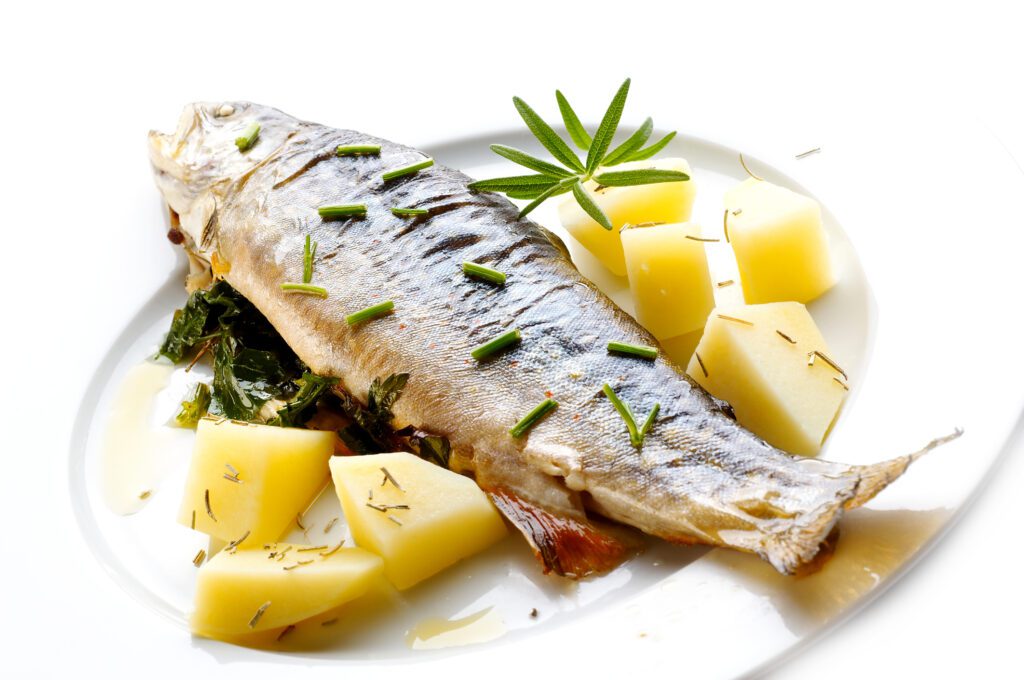
Trout fillets offer a world of culinary possibilities with their delicate texture and mild flavor. Here are a few cooking methods, recipe ideas, and flavor combinations to inspire you:
Grilled Trout with Lemon and Herbs:
Brush trout fillets with olive oil and season with salt, pepper, and a squeeze of fresh lemon juice.
Sprinkle with chopped fresh herbs like dill, thyme, or parsley.
Grill the fillets over medium-high heat for 4-6 minutes per side until cooked through and lightly charred.
Serve with a side of grilled vegetables or a fresh salad for a light and flavorful meal.
Pan-Seared Trout with Garlic Butter Sauce:
Season trout fillets with salt, pepper, and a pinch of paprika.
Heat butter and minced garlic in a skillet over medium heat until the butter is melted and the garlic is fragrant.
Add the seasoned trout fillets to the skillet, skin-side down, and cook for about 3-4 minutes per side until golden and cooked through.
Drizzle the fillets with the garlic butter sauce and garnish with fresh herbs like chives or parsley. Serve with roasted potatoes or steamed vegetables.
Baked Trout with Citrus and Almonds:
Preheat the oven to 375°F (190°C). Place trout fillets on a baking sheet lined with parchment paper.
Squeeze fresh lemon or orange juice over the fillets and sprinkle with a mixture of breadcrumbs, chopped almonds, and your favorite herbs (such as thyme or rosemary).
Drizzle with a little olive oil and season with salt and pepper.
Bake for about 12-15 minutes or until the fish is opaque and flakes easily.
Serve the baked trout with a side of couscous or quinoa and steamed asparagus.
Flavor Combinations and Additions:
Citrus: Enhance the delicate flavor of trout with lemon, lime, or orange zest, or squeeze fresh citrus juice over the fillets.
Herbs: Experiment with herbs like dill, thyme, parsley, or basil to add freshness and aroma to your trout dishes.
Spices: Consider adding a touch of paprika, cayenne pepper, or smoked paprika for a subtle kick.
Butter and Garlic: Create a luscious sauce by sautéing minced garlic in butter and drizzling it over the cooked trout fillets.
Nutty Crunch: Sprinkle chopped nuts like almonds, pecans, or walnuts over the fillets for added texture and flavor.
These simple yet enticing recipes showcase the versatility of trout fillets, allowing you to explore a range of flavors and cooking techniques. Don’t be afraid to get creative and adapt these recipes to your own taste preferences.

Deboning a trout is generally easier to do after cooking rather than before. There are a few reasons for this:
Firmness: Cooking the trout helps firm up the flesh, making it easier to handle and remove the bones without the fish falling apart.
Bone Visibility: Cooked trout bones are more visible and easier to locate compared to raw fish, making it simpler to identify and remove any remaining bones.
Bone Separation: The heat from cooking helps separate the flesh from the bones, allowing the fillets to be easily lifted off the skeleton.
Texture and Flavor: Cooking the trout first ensures that the fish retains its moisture and flavor, resulting in a more enjoyable eating experience.
However, if you prefer to fillet the trout before cooking, it is still possible to remove the bones during the filleting process. This method requires more precision and careful knife work to avoid cutting through any bones. If you choose this approach, be extra cautious to remove all the pin bones while filleting, and always double-check for any missed bones before serving.
Yes, it is possible to fillet a trout without gutting it. This method is known as “gutting after filleting” and can be convenient for those who prefer to remove the guts separately or want to keep the fish intact for presentation purposes.
trout filleting is a valuable skill that opens up a world of culinary possibilities. By mastering this technique, you can elevate your culinary experience and create delicious meals with the delicate and flavorful trout fillets. Whether you’re a fishing enthusiast, a chef, or simply a food lover, learning how to fillet trout empowers you to take control of your ingredients and explore a range of cooking methods.
Throughout this guide, we’ve covered the importance and appeal of trout filleting, highlighting its role in enhancing your culinary repertoire. We’ve discussed the necessary tools and equipment, provided a detailed step-by-step guide, and shared techniques, tips, and recipes to help you achieve exceptional results. From scaling to deboning, we’ve addressed common challenges and offered practical advice to overcome them, ensuring you feel supported and confident throughout the process.
Trout fillets are incredibly versatile, allowing you to experiment with various cooking methods and flavor combinations. Whether you choose to grill, pan-sear, or bake the fillets, the end result will be a delicious and nutritious meal that showcases the natural qualities of the fish. With the suggested recipes and the freedom to add your own twists, you can create enticing dishes that suit your taste preferences and impress your family and friends. So, embrace the art of filleting trout, practice with patience, and let your culinary creativity soar.

As an avid fisherman myself, I know firsthand how important it is to have access to accurate information and reliable gear when it comes to catching the big one. That's why I started Fishing Tips Pro - to provide fellow anglers like you with a one-stop-shop for all things fishing.
Whether you're a seasoned pro or a novice just starting out, our team of experts is dedicated to bringing you the latest and greatest in fishing tips, techniques, and gear reviews. We cover everything from fly fishing for trout in mountain streams to trolling for giant marlin in the deep blue sea.
But Fishing Tips Pro isn't just about information - it's about community. We believe that the best way to improve your skills and increase your enjoyment of the sport is to connect with other anglers who share your passion. That's why we encourage our readers to join the conversation by commenting on our articles, sharing their own tips and stories, and connecting with us on social media.
So if you're looking for a reliable source of fishing information and a supportive community of fellow anglers, you've come to the right place. Welcome to Fishing Tips Pro - we can't wait to help you catch your next big fish and read your story about it!