
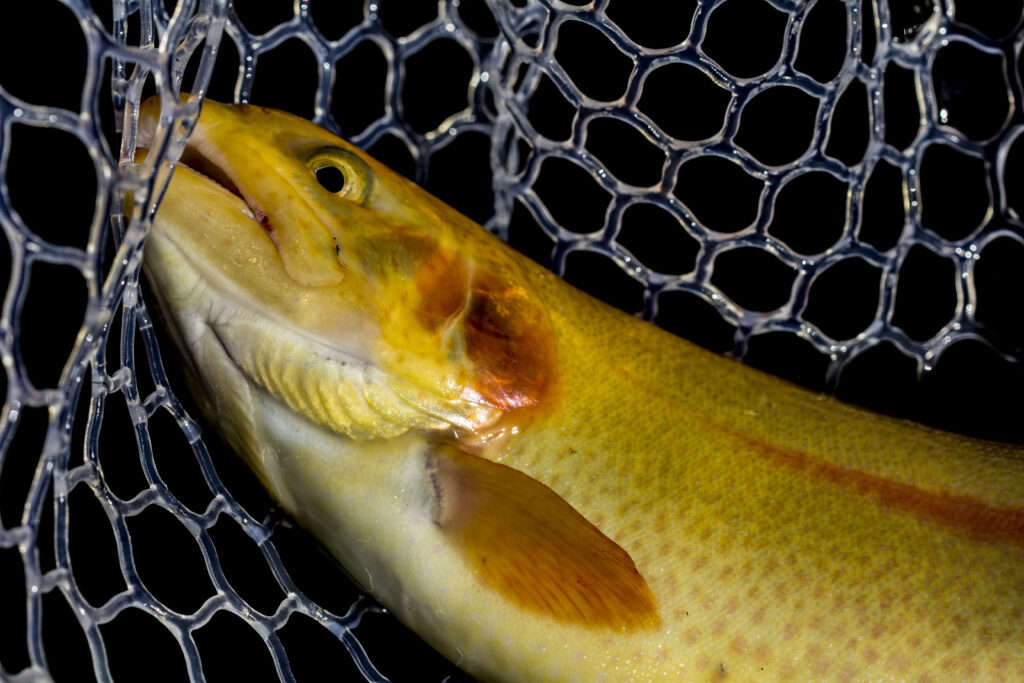
Palomino trout, also known as golden trout, are the divas of the trout world. With their vibrant golden coloration and distinctive red stripe along their lateral line, these trout are hard to miss. They’re like the Beyoncés of the fish world, commanding attention wherever they go.
Native to the Sierra Nevada Mountains in California, Palomino trout are prized by anglers for their beauty and fighting spirit. These fish are like the supermodels of the fish world, strutting their stuff in pristine mountain streams and lakes. But don’t let their stunning looks fool you – these fish are tough customers and require a skilled angler to reel them in.
Despite their celebrity status, Palomino trout aren’t just about looks. They’re a subspecies of rainbow trout and are known for their acrobatic jumps and fast, aggressive strikes. These fish are like the Olympic athletes of the fish world, pushing themselves to the limit in their quest for survival. So if you’re looking for a challenge, look no further than the Palomino trout.
Palomino trout are now widely stocked in many parts of the United States, particularly in areas with cool, clear waters such as mountain streams, rivers, and lakes. They can be found in various states including California, Colorado, Montana, Pennsylvania, and Virginia. Some areas may require a special permit or license to fish for Palomino trout, so it’s important to check local regulations before heading out to fish.
Because Palomino trout are a hatchery-raised hybrid species, they are not considered a “wild” trout and may not have the same level of genetic diversity as naturally occurring trout species.
While they may not be as common as other species of trout, they are widely stocked in many parts of the United States and are not necessarily considered rare.
That being said, the availability of Palomino trout for fishing can vary depending on location and season. Some areas may have limited stocking programs or restrictions on fishing for Palomino trout, while other areas may have ample opportunities to target these fish. Additionally, because Palomino trout are not considered a wild species, they may not have the same level of genetic diversity as naturally occurring trout populations, which could potentially impact their overall abundance in the long term.
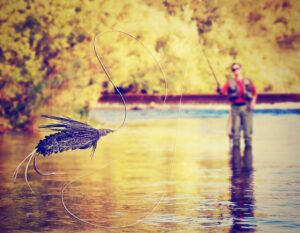
If you want to catch Palomino trout on the fly, you need to be stealthy like a ninja. These fish are wary and easily spooked, so you need to approach the water with caution and finesse. Keep a low profile, avoid sudden movements, and stay out of their line of sight. Think of it like a game of hide-and-seek – you need to be the master of stealth to catch these elusive beauties.
When it comes to fly selection for Palomino trout, it’s all about matching the hatch. These fish are picky eaters and will only take flies that mimic the insects and other aquatic creatures they’re feeding on. Do your research on the local hatches and choose your flies accordingly. You want your fly to look like a tasty snack – not a cheap imitation.
Presentation is everything when it comes to fly fishing for Palomino trout. You want your fly to drift naturally in the current, just like the real thing. Use a light tippet and delicate casting technique to ensure a gentle landing on the water. You don’t want to create a big splash that will scare the fish off. And don’t be afraid to experiment with different retrieves – sometimes a slow, subtle twitch is all it takes to entice a strike. Remember, you’re not just fishing – you’re putting on a show for the fish
When it comes to Palomino trout, you need to be a fly matchmaker. These fish are choosy when it comes to their food, and you need to choose your fly accordingly. Think of it like a romantic comedy – you need to find the perfect match for your fish. Luckily, there are some tried and true patterns that are sure to get the job done.
One of the best flies for Palomino trout is the classic Elk Hair Caddis. This fly mimics a variety of insects that Palomino trout love to munch on, like caddisflies and stoneflies. Its bushy body and buoyant elk hair make it easy to see on the water, while its subtle movement and natural look make it irresistible to hungry trout.
Another great fly for Palomino trout is the Parachute Adams. This fly is a versatile all-around pattern that imitates a variety of mayflies and other insects. Its white post and parachute hackle make it easy to see on the water, while its slim profile and realistic look make it a top choice for finicky trout. Think of it like a little black dress – it’s always in style and always effective.
Last but not least, the Woolly Bugger is a go-to fly for Palomino trout. This versatile pattern mimics a variety of aquatic creatures, like leeches and small baitfish. Its flowing marabou tail and pulsing hackle make it irresistible to aggressive trout, while its bulky body and heavy weight make it a great choice for deep water. It’s like the Swiss Army Knife of flies – it can do a little bit of everything.
When catching and releasing Palomino Trout, you need to treat them like royalty. These fish are rare and beautiful, and it’s important to handle them with care to ensure their survival. Think of it like a fancy dinner party – you want to treat your guests with the utmost respect and leave them feeling happy and healthy.
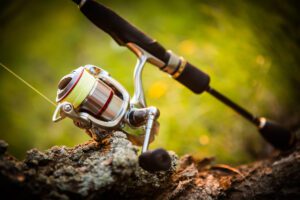
First things first, you need to be prepared with the right gear for catch and release. Make sure you have a good pair of forceps or pliers to quickly remove the hook without damaging the fish. Use barbless hooks to make removal easier and less traumatic for the fish. And always wet your hands before handling the fish to avoid damaging their delicate slime layer.
When releasing Palomino trout, it’s important to revive them before letting them go. Hold the fish in the water and gently move it back and forth to get water flowing over its gills. You can also gently move the fish forward to force water through its mouth and over its gills. Think of it like giving your fish a pep talk – you want them to be alert and ready to swim away strong.
Remember, catch and release isn’t just about letting the fish go – it’s about ensuring their survival. Treat each Palomino trout with care and respect, and you’ll not only be helping to conserve these rare and beautiful fish, but you’ll also be ensuring that future generations can enjoy the thrill of catching them.
Palomino trout fishing techniques can vary depending on the season. Understanding the habits and behavior of Palomino trout during different times of the year can help anglers adjust their fishing strategies and increase their chances of a successful catch. Here are some tips for fishing Palomino trout during different seasons:
During the spring, Palomino trout can be found in shallow water areas, such as riffles and runs, where they feed on insects and small crustaceans. Anglers should use dry flies or small streamers to imitate these food sources. As the water temperature increases, Palomino trout will move to deeper pools and runs, where anglers can target them with larger streamers or nymphs.
Summer can be a challenging time for Palomino trout fishing, as water temperatures rise and oxygen levels decrease. During the heat of the day, Palomino trout will seek out cooler, deeper water. Anglers should focus on fishing in shaded areas or during the early morning and late evening when the water temperature is cooler. Dry flies, nymphs, and small streamers can all be effective during the summer months.
Fall is one of the best times of year for Palomino trout fishing, as the cooler water temperatures and changing foliage make for a beautiful backdrop. During the fall, Palomino trout will start to feed more aggressively in preparation for the winter months. Anglers should focus on fishing with larger streamers or nymphs, as Palomino trout will be looking for bigger meals to sustain them through the colder months. As the leaves begin to fall, anglers can also try fishing with dry flies that mimic the falling leaves, such as a parachute Adams or a blue-winged olive.
The lifecycle of Palomino trout is a wild ride – think of it like a rollercoaster with twists and turns and ups and downs. These fish are born in the cool, clear waters of mountain streams, where their parents lay their eggs in the gravelly riverbed. It’s like a trout version of a beach vacation – a little bit of sun, a little bit of sand, and a whole lot of relaxation.
Once the eggs hatch, the baby trout, called fry, spend their early days feeding on tiny aquatic insects and growing stronger. Like a newborn baby – they need plenty of nourishment and care to grow up big and strong. As they grow, they become more adventurous, venturing out into the stream and exploring their surroundings.
As the Palomino trout grow larger, they become more aggressive, feasting on insects, crustaceans, and even small fish. They can live for up to 5-7 years, growing to impressive sizes of up to 2 feet in length.
Finally, when the time comes, Palomino trout return to the same stream where they were born to spawn and lay their own eggs. It’s like a big family reunion – generations of trout coming together to continue the circle of life. And so the cycle begins anew, with baby trout hatching and growing into strong, majestic Palomino trout.
When it comes to trout, there are a lot of fish in the sea – or rather, the river. But the Palomino trout stands out from the crowd with its distinctive golden coloration. It’s like the blonde bombshell of the trout world – always turning heads and making a statement.
One of the key differences between Palomino trout and other species of trout is their unique genetics. Palomino trout are actually a hybrid between a golden rainbow trout and a regular rainbow trout. It’s like a science experiment gone right – creating a beautiful and rare fish that’s sure to turn heads.
Another difference between Palomino trout and other trout is their behavior. Palomino trout are known to be more aggressive than other species, making them a favorite among fly fishermen looking for a challenge.
Despite their differences, Palomino trout share many similarities with other trout. They’re all cold-water fish, thriving in mountain streams and clear lakes. They all have a similar diet, feeding on insects, crustaceans, and small fish. And they all offer a thrilling challenge for fishermen and women looking to test their skills against one of nature’s greatest predators.
The Palomino trout is a creature of habit, preferring to make its home in cool, clear waters with plenty of cover. Palomino trout can be found in mountain streams and rivers throughout the western United States, with some of the best habitat in California, Colorado, and Wyoming.
One of the key features of Palomino trout habitat is the presence of riffles and runs. These are areas of the river where the water is flowing quickly over rocky terrain, creating a bubbling, aerated environment that’s perfect for trout. Think of it like a jacuzzi for fish – warm, bubbly, and relaxing. Palomino trout also prefer areas with plenty of cover, such as fallen logs, undercut banks, and boulders. These areas provide protection from predators and make it easier for the fish to catch their prey.
Another important aspect of Palomino trout habitat is water temperature. These fish prefer cool water, with optimal temperatures ranging between 50 and 60 degrees Fahrenheit. Water quality is also crucial, with Palomino trout thriving in clean, clear water with plenty of oxygen.
When it comes to golden trout, there are two main players in the game – the Palomino trout and the golden rainbow trout. But don’t be fooled by their similar-sounding names – these fish are as different as night and day. It’s like comparing a blonde bombshell to a golden retriever – they might both be golden, but they have very different personalities.
The Palomino trout, as we know, is a hybrid between a golden rainbow trout and a regular rainbow trout. This means it has a distinctive golden coloration that sets it apart from other trout species. The golden rainbow trout, on the other hand, is a subspecies of the rainbow trout with a more muted gold coloration.
Another key difference between Palomino trout and golden rainbow trout is their behavior. Palomino trout are known for being more aggressive and harder to catch than other trout species, making them a favorite among fly fishermen looking for a challenge. Golden rainbow trout, on the other hand, tend to be more docile and easier to catch. It’s like the trout version of a golden retriever – loyal, friendly, and always ready to please.
Despite their differences, both Palomino trout and golden rainbow trout are prized catches for fishermen and women looking for a thrilling challenge. Whether you’re after the glitz and glamour of the Palomino or the warm and fuzzy comfort of the golden rainbow, one thing’s for sure – both of these golden trout are worth their weight in fishing gold.
Same Species – Did you know that Palomino trout aren’t actually a separate species of trout? They’re actually a hybrid between a golden rainbow trout and a regular rainbow trout, created in the 1940s by a fish breeder named Bert C. Hyde. It’s like the trout version of a designer dog – a deliberate crossbreed that’s as beautiful as it is unique.
Mistaken Identity – Another fun fact about Palomino trout is that they’re often mistaken for other species of trout due to their distinctive golden coloration. In fact, some fishermen have been known to accidentally catch Palomino trout thinking they were regular rainbow trout.
Challenging Catch – Palomino trout are known for being particularly challenging to catch. Due to their hybrid genetics, they can exhibit unpredictable behavior and are often more aggressive than other trout species. But for many fishermen and women, the challenge of catching a Palomino trout is part of the thrill of the sport.
Palomino trout fishing is a thrilling and challenging experience that attracts anglers from all over the world. These hybrid trout are known for their distinctive golden coloration and unpredictable behavior, which make them a prized catch for experienced fishermen. To catch Palomino trout, anglers must use specific fly fishing techniques and carefully handle them during catch-and-release practices to protect the population. With the right gear, technique, and approach, Palomino trout fishing can provide a truly unforgettable experience for anglers of all skill levels.

As an avid fisherman myself, I know firsthand how important it is to have access to accurate information and reliable gear when it comes to catching the big one. That's why I started Fishing Tips Pro - to provide fellow anglers like you with a one-stop-shop for all things fishing.
Whether you're a seasoned pro or a novice just starting out, our team of experts is dedicated to bringing you the latest and greatest in fishing tips, techniques, and gear reviews. We cover everything from fly fishing for trout in mountain streams to trolling for giant marlin in the deep blue sea.
But Fishing Tips Pro isn't just about information - it's about community. We believe that the best way to improve your skills and increase your enjoyment of the sport is to connect with other anglers who share your passion. That's why we encourage our readers to join the conversation by commenting on our articles, sharing their own tips and stories, and connecting with us on social media.
So if you're looking for a reliable source of fishing information and a supportive community of fellow anglers, you've come to the right place. Welcome to Fishing Tips Pro - we can't wait to help you catch your next big fish and read your story about it!