
The Tiger Muskie, a hybrid fish species created by crossbreeding Muskellunge and Northern Pike, is one of the most prized catches among anglers across North America. With their large size, ferocious nature, and striking appearance, Tiger Muskies offer a thrilling challenge for any angler seeking a trophy fish.
In this article, we will explore everything you need to know about catching Tiger Muskie. We will cover topics such as where to find them, the best techniques and gear for catching them, and the most effective baits and lures to use. We will also delve into the biology and anatomy of Tiger Muskie, including their feeding habits, and explore conservation efforts being made to protect their populations.
Whether you are a seasoned angler or a beginner looking to try your hand at fishing for Tiger Muskie, this article will provide you with all the information you need to get started. So, let’s dive in and discover the world of Tiger Muskie fishing together!
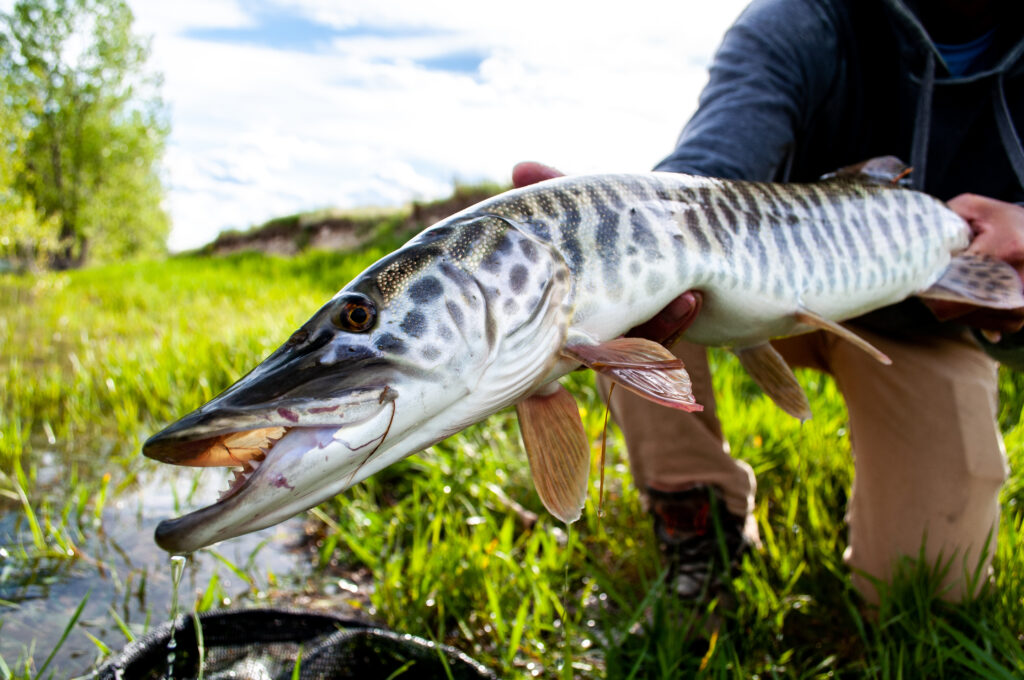
The Tiger Muskie is a hybrid fish species that is created by crossbreeding two types of fish: Muskellunge (Muskie) and Northern Pike. This hybrid species is sterile and cannot reproduce, which means that all Tiger Muskies are created through human intervention. Tiger Muskies are known for their large size, ferocious nature, and striking appearance. They have distinct tiger-like stripes along their body, which is where their name comes from.
Compared to other fish species, Tiger Muskies are much larger and more aggressive. They can grow up to 5 feet in length and weigh over 50 pounds, making them one of the largest freshwater game fish in North America. Tiger Muskies are also known for their sharp teeth, which they use to catch and eat prey. Their predatory nature makes them an exciting catch for anglers, but it also means that they require a specialized approach to fishing.
One of the main differences between Tiger Muskie and other fish species is their habitat preference. Tiger Muskies are typically found in clear, deep, and cool lakes and rivers with plenty of cover and structure. They prefer to hide around weed beds, rocky areas, or sunken logs, where they can ambush their prey. Unlike Northern Pike, which can thrive in warmer water temperatures, Tiger Muskies require cooler water to survive. Therefore, they are generally found in regions with colder climates, such as the northern United States and Canada.
Tiger Muskie can be found in a variety of freshwater habitats across North America, including lakes, reservoirs, rivers, and streams. However, not all bodies of water are suitable for these fish, as they have specific preferences for their environment. Tiger Muskies prefer water that is cool, clear, and has a good amount of dissolved oxygen. They also prefer to inhabit waters that have plenty of cover, such as submerged vegetation, logs, and other structures.
Some of the most popular locations for Tiger Muskie fishing include Minnesota, Wisconsin, Michigan, and Ontario, Canada. In these areas, there are numerous lakes and rivers that are known for their healthy populations of Tiger Muskie.
Additionally, other states in the northern region, such as New York, Pennsylvania, and Ohio, also offer excellent fishing opportunities for Tiger Muskie. Many of these states have implemented management programs to promote sustainable fishing practices and protect Tiger Muskie populations. Whether you are fishing in a remote wilderness area or a well-stocked urban reservoir, there are plenty of opportunities to catch this elusive and exciting fish species.
Tiger Muskie are known for their impressive size and can grow to be quite large. On average, Tiger Muskie range in size from 30 to 50 inches in length and weigh anywhere from 10 to 30 pounds. However, some specimens have been known to grow much larger than this. With the right habitat and feeding conditions, Tiger Muskie can reach lengths of up to 60 inches and weigh over 50 pounds.
The current world record for the largest Tiger Muskie caught on rod and reel is 51 pounds and 3 ounces, caught in Lac Vieux Desert in Michigan in 1919. While it is rare to catch a Tiger Muskie of this size, many anglers continue to seek out these trophy fish in hopes of landing a record-breaking catch.
The most effective techniques for catching Tiger Muskie vary depending on the specific fishing location and the time of year. However, some common techniques include trolling, casting, and fly fishing. Trolling with large lures or live bait is a popular technique for targeting Tiger Muskie in deeper waters. Anglers can use downriggers to keep their bait at the desired depth and increase their chances of a bite.
Casting is another popular technique for Tiger Muskie fishing, particularly in shallower waters near shorelines or weed beds. Anglers can use heavy-duty spinning or baitcasting rods with braided or fluorocarbon line to cast large lures or live bait. Topwater lures such as buzzbaits or poppers can also be effective for enticing Tiger Muskie to strike.
Fly fishing for Tiger Muskie requires specialized gear and techniques. Anglers typically use heavy-duty fly rods and lines, and large streamer flies designed to mimic the fish’s natural prey. The most effective fly fishing techniques for Tiger Muskie involve stripping the fly quickly and erratically through the water to simulate a fleeing baitfish.
When selecting gear for Tiger Muskie fishing, it’s important to choose equipment that can handle the size and strength of these fish. Heavy-duty rods and reels with a high line capacity are essential for landing larger Tiger Muskie. Leaders and hooks should also be strong and durable to withstand the fish’s sharp teeth and powerful jaws. Anglers should also consider using a landing net to safely land and release their catch without harming the fish or themselves.
Tiger Muskie are known for their aggressive predatory behavior, and they will often strike a variety of baits and lures. The most effective baits for Tiger Muskie include live fish, such as shad or suckers, as well as large soft plastic baits and swimbaits. These baits can be fished on a jighead or weighted hook, and presented at varying depths depending on the location and time of year.
Lures are also effective for targeting Tiger Muskie, particularly those that mimic the fish’s natural prey. Large crankbaits, spoons, and topwater lures are popular choices for Tiger Muskie fishing. Anglers can experiment with different colors and patterns to find what works best in their specific fishing location. It’s also important to vary the speed and retrieve of the lure to entice Tiger Muskie to strike.
The best time of year to catch this incredible fish can vary depending on a number of factors, including water temperature, weather patterns, and the fish’s natural spawning and feeding cycles. In general, however, the prime time for Tiger Muskie fishing is in the late summer and early fall, when water temperatures begin to cool down and the fish become more active in search of food. This period of increased activity can last well into the fall months, providing ample opportunities for anglers to catch these elusive fish.
An important factor that can affect Tiger Muskie behavior is the presence of other fish species in the same body of water. For example, if there is a large population of baitfish such as shad or perch in the area, Tiger Muskie may be more active and aggressive in their pursuit of prey. Similarly, if water conditions are particularly clear or murky, this can also influence Tiger Muskie behavior and their willingness to strike baits or lures.
Regulations for Tiger Muskie fishing vary depending on the location, so it is important to check local regulations before heading out. In general, most states require a fishing license to fish for Tiger Muskie, and there may be specific rules regarding the size and number of fish that can be caught. Some locations may also have specific fishing seasons, so it is important to check these regulations as well.
To obtain a fishing license, you can usually purchase one online or at a local fishing or sporting goods store. The cost of a fishing license can vary depending on the state and the length of time it is valid for. Additionally, some locations may require a special permit to fish for Tiger Muskie. These permits can usually be obtained through the state’s department of natural resources or fish and wildlife department.
There are several websites that can help with researching Tiger Muskie fishing regulations and permits. The websites of state fish and wildlife departments are a good place to start, as they often provide detailed information on local fishing regulations and permit requirements. Additionally, websites such as takemefishing.org and fishidy.com provide resources for anglers looking to find fishing spots and learn about local regulations.
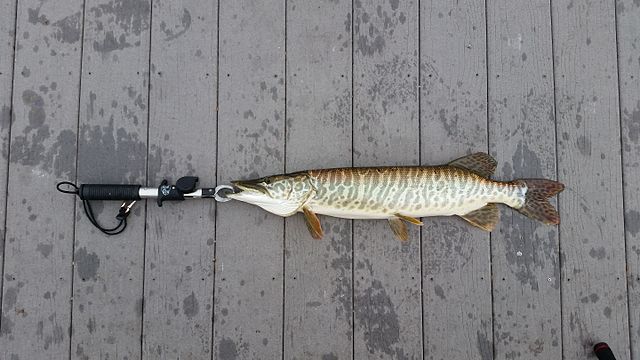
Tiger Muskie are a hybrid fish species that is a cross between a Northern Pike and a Muskie. They have a long, slender body with a distinctive pattern of dark stripes along their sides, which is where they get their name. These fish have a large head with a powerful jaw and sharp teeth, which they use to catch and devour their prey. They also have a dorsal fin that runs the length of their body and a forked tail that provides them with excellent maneuverability in the water.
Tiger Muskie are a top predator in their habitat and feed primarily on other fish. They are known for their aggressive feeding habits and will often strike at their prey with great force. They are opportunistic feeders and will consume a wide variety of fish, including minnows, sunfish, and even other Tiger Muskie. In addition to fish, they may also feed on small mammals, frogs, and crayfish.
The biology of Tiger Muskie is similar to that of their parent species, the Northern Pike and Muskie. They are a cool-water species and prefer water temperatures between 60-70 degrees Fahrenheit. Tiger Muskie spawn in the spring, typically in shallow areas with gravel or rocky bottoms. The females lay their eggs and the males fertilize them, after which the eggs hatch in 10-14 days. Tiger Muskie grow quickly and typically reach lengths of up to 50 inches and weights of up to 30 pounds although some can grow much larger. They have a relatively long lifespan, with some individuals living up to 20 years.
Conservation efforts for Tiger Muskie focus on protecting their habitat and managing fishing pressure to ensure sustainable populations. This includes monitoring water quality and identifying areas that are important for spawning and rearing. Many states have also implemented regulations on fishing for Tiger Muskie, including catch limits and size restrictions, to prevent overfishing. Additionally, efforts are being made to reduce the introduction of non-native species that could compete with or prey on Tiger Muskie.
Anglers can help preserve Tiger Muskie populations for future generations by following fishing regulations and practicing catch and release. When catching a Tiger Muskie, it is important to handle them carefully and release them quickly, as they are a sensitive species. Anglers can also help by reporting sightings of invasive species that could impact Tiger Muskie populations, as well as participating in habitat restoration and cleanup efforts.
Several websites provide information on conservation efforts for Tiger Muskie, including the websites of state fish and wildlife departments, as well as conservation organizations such as the National Wildlife Federation and Trout Unlimited. These websites provide information on current conservation initiatives, as well as ways that individuals can get involved in efforts to protect Tiger Muskie populations.
In conclusion, Tiger Muskie are a fascinating and unique game fish that are popular among anglers for their aggressive nature and large size. However, it is important to consider their conservation status and take steps to protect their populations for future generations. This includes following fishing regulations, practicing catch and release, and participating in conservation efforts such as habitat restoration and cleanup.
By taking these steps, anglers can help ensure that Tiger Muskie remain a healthy and sustainable species for years to come. Additionally, by learning more about their biology, habitat, and feeding habits, anglers can increase their chances of success and enjoy a rewarding and memorable fishing experience. With continued conservation efforts and responsible fishing practices, Tiger Muskie will continue to be a valuable part of our aquatic ecosystems and a beloved target for anglers from around the world that seek to catch this amazing fish. Until next time, don’t forget to keep your hooks sharp and your lines tight, and may your Tiger Muskie adventures be wild and full of stripes!

As an avid fisherman myself, I know firsthand how important it is to have access to accurate information and reliable gear when it comes to catching the big one. That's why I started Fishing Tips Pro - to provide fellow anglers like you with a one-stop-shop for all things fishing.
Whether you're a seasoned pro or a novice just starting out, our team of experts is dedicated to bringing you the latest and greatest in fishing tips, techniques, and gear reviews. We cover everything from fly fishing for trout in mountain streams to trolling for giant marlin in the deep blue sea.
But Fishing Tips Pro isn't just about information - it's about community. We believe that the best way to improve your skills and increase your enjoyment of the sport is to connect with other anglers who share your passion. That's why we encourage our readers to join the conversation by commenting on our articles, sharing their own tips and stories, and connecting with us on social media.
So if you're looking for a reliable source of fishing information and a supportive community of fellow anglers, you've come to the right place. Welcome to Fishing Tips Pro - we can't wait to help you catch your next big fish and read your story about it!