
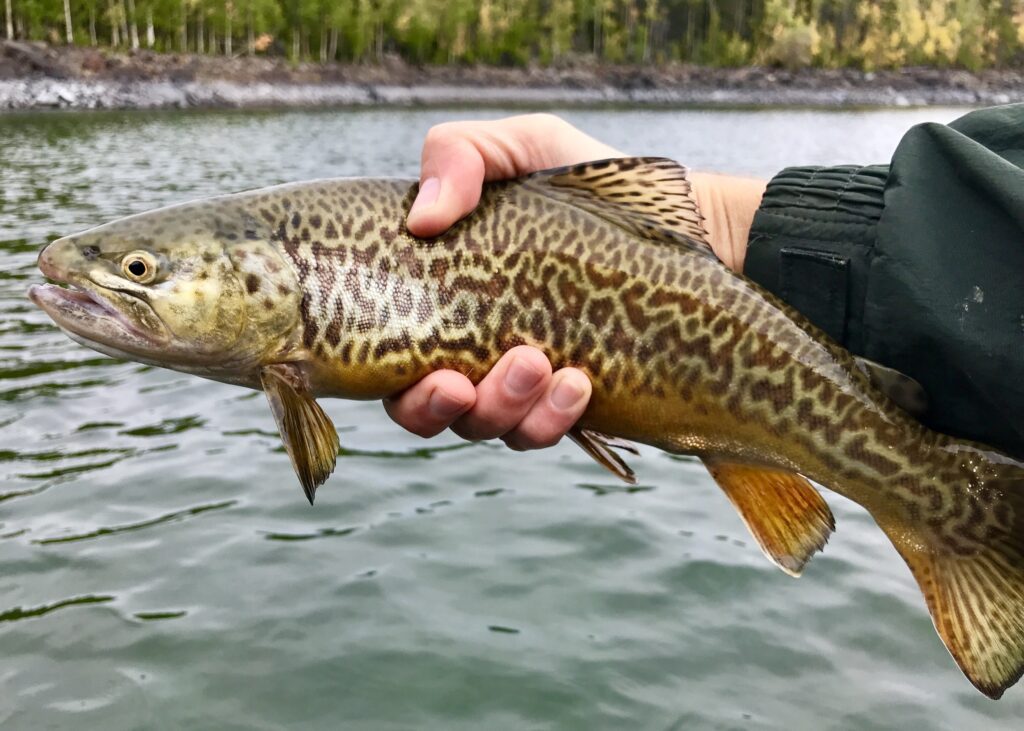
Cast your line into the thrilling world of Tiger Trout, where the extraordinary meets the elusive. Picture a fish that boasts the fierce stripes of a tiger, intertwined with the graceful elegance of a trout. This remarkable hybrid species has captured the imagination of anglers worldwide, offering an exhilarating challenge and unforgettable fishing experiences. In this article, we embark on a journey to uncover the captivating secrets of Tiger Trout and equip you with expert fishing tips to maximize your chances of landing one.
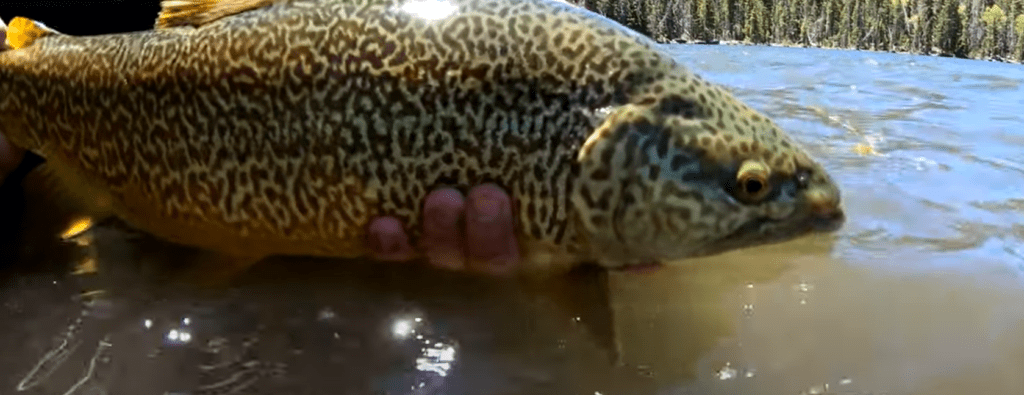
At first glance, Tiger Trout may seem like creatures straight out of a mythological tale. The result of a unique crossbreeding between brook trout and brown trout, these mesmerizing fish inherit the best traits from both parents. Sporting the tiger-like stripes that lend them their name, Tiger Trout possess the powerful swimming abilities of browns and the finesse and adaptability of brooks. Their breathtaking appearance is only matched by their elusive nature, making them a prize catch for passionate anglers seeking a thrilling challenge.
Get ready to embark on an adventure that combines the thrill of the hunt with the artistry of angling. Join us as we delve deeper into the world of Tiger Trout, uncovering their fascinating biology, exploring their preferred habitats, and sharing proven techniques to increase your chances of landing these magnificent fish. Whether you’re a seasoned angler seeking a new challenge or a passionate newcomer eager to test your skills, this article will arm you with the knowledge and expertise needed to make your next Tiger Trout fishing excursion an unforgettable success.
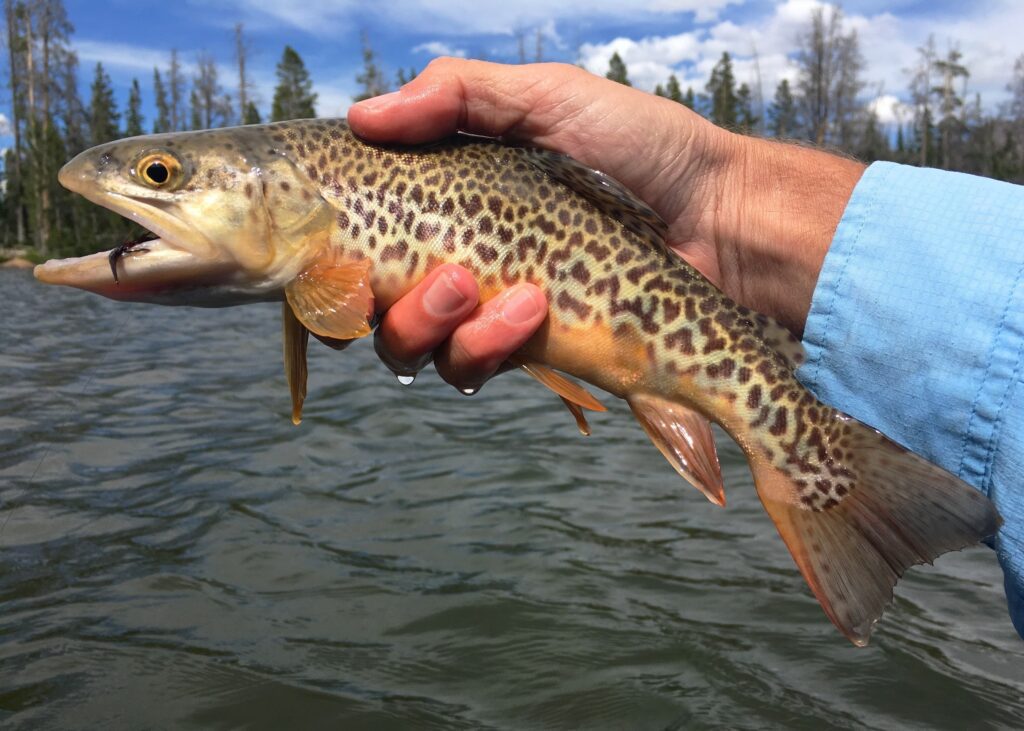
These captivating creatures possess a unique blend of characteristics inherited from their parent species, the brown trout and the brook trout. With the cunning instincts of a predator and the adaptability of a survivor, tiger trout offer an enticing challenge for fishing enthusiasts. Understanding their behavior is the key to mastering their pursuit and reeling in these elusive beauties.
When it comes to habitat, tiger trout can be found in various environments throughout North America. They favor cool, clear waters, often seeking refuge in deep pools, undercut banks, and submerged structures. Whether it’s a meandering river, a pristine mountain stream, or a serene lake, these fish thrive in diverse habitats, offering anglers an array of options to explore. The thrill lies in deciphering their preferred hiding spots and honing your skills to outsmart them in their natural domain.
Tiger trout behavior is a fascinating tapestry woven by nature’s hand. They are highly opportunistic predators, adapting their feeding habits to the available food sources. Their menu ranges from small fish and insects to crustaceans and even terrestrial prey that ventures near the water’s edge. Their behavior changes with the seasons, responding to temperature fluctuations and the availability of prey. As an angler, observing these patterns and tailoring your fishing techniques accordingly can greatly enhance your chances of success.
While tiger trout have been introduced to various regions in North America, their distribution is not as widespread as some other trout species. They are primarily found in select waters, carefully managed by fisheries to maintain their populations. Some states and provinces have implemented stocking programs to create opportunities for anglers to pursue these remarkable hybrids. Identifying the specific waters and regions where tiger trout are stocked becomes crucial in planning your fishing adventures and embarking on an unforgettable quest to catch them.
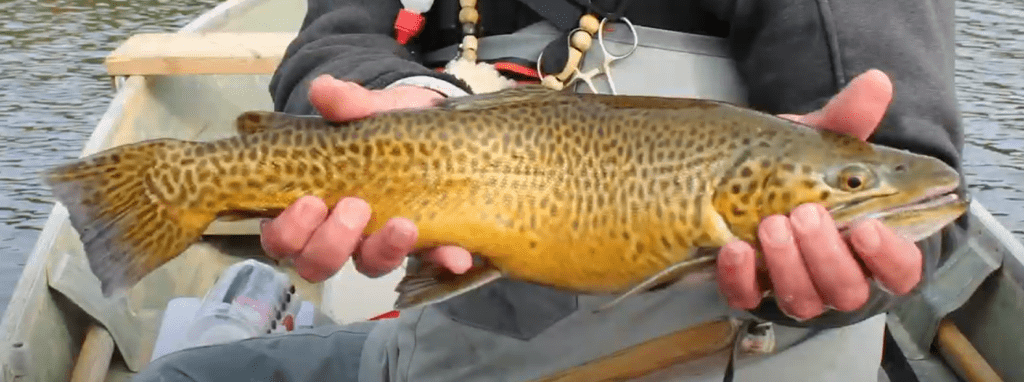
Embarking on a quest to catch the elusive tiger trout requires not only skill and patience but also the right arsenal of lures to entice their striking instincts. These magnificent hybrids possess a voracious appetite and can’t resist a well-presented temptation. So, let’s dive into the realm of lure selection and uncover some top picks that will have tiger trout practically jumping onto your line.
Flashy Minnow Imitations: Tiger trout are drawn to the shimmer and movement of small fish. Opt for lures that mimic the appearance and action of minnows, such as spoons, crankbaits, or swimbaits. Choose those with a realistic color pattern, a touch of sparkle, and lifelike swimming motion to trigger the predatory instincts of these fierce beauties.
Vibrant Streamer Flies: Fly fishing enthusiasts, rejoice! Streamer flies, like Woolly Buggers or Zonkers, are excellent choices for enticing tiger trout strikes. Their undulating motion and flashy colors mimic wounded baitfish, triggering aggressive responses from these predators. Experiment with various sizes and color combinations to match the local forage and find the winning formula.
Intriguing Soft Plastic Baits: Soft plastics offer versatility and lifelike action that tiger trout can’t resist. Try using grubs, worms, or creature baits in natural colors with subtle movements. Rig them on a lightweight jig head or Texas rig to ensure they sink slowly and create an enticing presentation. Soft plastics give you the advantage of customization and allow you to adapt your approach to the specific feeding preferences of these cunning hybrids.
Iridescent Spinnerbaits: The mesmerizing flash and vibration of spinnerbaits are irresistible to tiger trout. Choose spinnerbaits with multiple blades in different colors to create a mesmerizing combination that mimics a school of fleeing baitfish. Experiment with varying retrieve speeds and depths to find the sweet spot that triggers the predatory instincts of these elusive fish.
Remember, the key to success lies not only in the lure choice but also in presenting it convincingly. Vary your retrieves, experiment with different depths, and pay attention to the water conditions and the behavior of the fish.
Stealthy Approach: Tiger trout are notorious for their wariness and sharp senses. Approach their habitat with caution, moving silently and avoiding sudden movements. Cast your line from a distance, allowing your lure or bait to appear as natural as possible. Patience is key here; take your time to observe their behavior and adjust your strategy accordingly.
Match the Hatch: Take note of the local insect life and try to match your lures or flies to the prevailing hatch. Whether it’s small midges, caddisflies, or mayflies, imitating the natural forage will significantly increase your chances of a successful strike.
Vary Your Retrieves: Experiment with different retrieval techniques to find the one that triggers their predatory instincts. Try a slow and steady retrieve, a twitch and pause action, or even a rapid retrieve to mimic a fleeing baitfish. Don’t be afraid to switch things up until you discover the winning formula.
Explore Different Depths: Begin by targeting shallower areas and gradually work your way to deeper waters if the fish prove elusive. Utilize different sinking lines, split-shot weights, or adjust your bobber placement to effectively cover the water column and present your lure or bait at the desired depth.
Tiger trout, with their discerning taste and predatory instincts, require an enticing bait selection to coax them into striking. Choosing the perfect offering is like unlocking a secret code that unleashes their appetite and triggers their aggression.
Live Bait Temptations: Live bait can be highly effective in enticing tiger trout. Small minnows, nightcrawlers, or crayfish are all excellent choices. The natural movement and scent of live bait are irresistible to these voracious predators. Rig your live bait on a hook or use a slip bobber to present it at the desired depth. Be sure to check local regulations regarding the use of live bait and any size restrictions.
Tantalizing Power of Artificial Grubs: Artificial grubs are a go-to option for many tiger trout enthusiasts. These soft plastic baits, often infused with enticing scents, imitate the wriggling movement of aquatic creatures. Experiment with different colors and sizes to match the local forage and find the winning combination that triggers strikes.
Flies that Mimic Nature: Fly fishing enthusiasts can unleash their creativity with an array of fly patterns to tempt tiger trout. Streamers, nymphs, or dry flies that imitate the local insect life can be highly effective. Consider matching the hatch and selecting flies that resemble the prevalent food sources. Pay attention to size, color, and presentation techniques to maximize your chances of success.
Attractive Power of Spinners: Spinners are another fantastic option for tiger trout. These lures feature rotating blades that create flashes of light and vibrations, mimicking the movement of small fish. Opt for spinners in various colors and sizes, experimenting with different blade styles to find the combination that triggers strikes. Vary your retrieve speed to imitate wounded prey and provoke aggressive responses.

Embarking on a quest to find tiger trout in North America is like unraveling a treasure map to hidden angling gems. These elusive hybrids can be found in select locations across the continent, each offering its own unique charm and challenge. So, let’s set our compass and explore some prime tiger trout hotspots that will fuel your passion for fishing.
Serene Mountain Streams: Picture yourself casting a line in crystal-clear waters, surrounded by towering peaks and the melodic sounds of nature. Mountain streams provide ideal habitat for tiger trout, with their cool temperatures and abundant insect life. Regions like the Rocky Mountains in Colorado, the Sierra Nevada in California, or the Appalachian Mountains in the eastern United States are renowned for their stunning mountain streams teeming with tiger trout.
Pristine Alpine Lakes: If the allure of a remote alpine lake calls to your adventurous spirit, then look no further. These high-altitude sanctuaries harbor tiger trout that have thrived in the solitude of untouched waters. The Rocky Mountain region in states like Montana, Idaho, and Wyoming offers a plethora of alpine lakes where you can test your skills and immerse yourself in nature’s serenity.
Spring Creeks and Tailwaters: The clear, spring-fed creeks and tailwaters scattered throughout North America provide excellent habitat for tiger trout. These environments offer a consistent food supply and ideal water conditions for these hybrids to flourish. Places like the Bighorn River in Montana, the San Juan River in New Mexico, or the White River in Arkansas are renowned for their trophy-sized tiger trout and world-class fishing opportunities.
Managed Fisheries: Several states and provinces have implemented stocking programs to create opportunities for anglers to pursue tiger trout. Fisheries that receive regular tiger trout stocking can provide reliable and accessible fishing experiences. Places like the Black Canyon Reservoir in Idaho, the Kanopolis Seep Stream in Kansas, or the Little Red River in Arkansas are known for their stocked tiger trout populations and can offer exciting angling adventures.
The heart-pounding moment when a tiger trout strikes your line is an adrenaline rush like no other. To hook and land these majestic hybrids requires finesse, skill, and a dash of luck. Try these tips the next time you find yourself out on the water;
The Perfect Hook Set: When a tiger trout takes your bait or lure, timing is crucial. Resist the urge to yank your rod immediately. Instead, wait for the moment when you feel steady pressure on the line, indicating that the fish has taken the offering. With a swift but controlled motion, set the hook firmly. Remember, tiger trout have bony mouths, so a strong hook set is essential to secure your prize.
The Battle of Finesse: Once hooked, tiger trout unleash their power and acrobatic displays, testing your angling prowess. Maintain a balanced tension on the line, allowing the fish to make its runs while keeping the pressure on to tire it out. Be prepared for sudden bursts of speed and aerial leaps, adjusting your rod angle and reeling speed to maintain control. Patience is key; a worn-out tiger trout is more likely to succumb to your landing net.
Landing with Care: As the battle nears its climax, it’s time to bring the tiger trout within reach. If fishing from the bank, carefully guide the fish into shallow water, avoiding any abrupt movements that could cause it to break free. Utilize a landing net with a soft mesh to prevent damage to its delicate fins. If wading in the water, maintain a gentle grip on the fish while keeping it partially submerged to minimize stress.
Embrace the Release: The conservation of tiger trout populations is of utmost importance. Before landing, ensure you are familiar with local regulations regarding catch-and-release practices. Handle the fish with wet hands or use a landing net to minimize damage to their protective slime coat. Support the fish upright in the water, allowing it to regain its strength before gently releasing it back to its watery realm.
Hybrid Warriors: Tiger trout are a fascinating hybrid species resulting from the crossbreeding of brown trout and brook trout. Known for their vibrant colors and unique markings, these hybrids possess the best qualities of their parent species. With the aggressive nature of the brown trout and the resilience of the brook trout, tiger trout are true warriors of the waters.
Nature’s Chameleons: One of the intriguing aspects of tiger trout is their ability to adapt their coloration to their surroundings. Their camouflage skills are unmatched, allowing them to blend seamlessly into their environment. This natural camouflage serves both as a defense mechanism and a hunting advantage, making them elusive and challenging targets for anglers.
Growth Rates and Trophy Potential: Tiger trout have impressive growth rates, often exceeding those of their parent species. In optimal conditions, these hybrids can reach sizes that surpass both brook trout and brown trout. This makes them highly sought after by anglers in pursuit of trophy-sized fish. Be prepared for an exhilarating battle when you hook into a monster tiger trout.
Selective Breeding and Stocking Programs: To maintain tiger trout populations and provide exciting angling opportunities, many fisheries engage in selective breeding and stocking programs. These programs involve carefully selecting parent fish to produce offspring with desirable traits. By stocking these hybrids in suitable waters, anglers can enjoy the thrill of catching tiger trout in various locations.
Preference for Cooler Waters: Tiger trout thrive in cooler water temperatures, which makes them predominantly found in regions with cold, oxygen-rich streams, rivers, and lakes. These habitats provide the ideal conditions for their growth and survival. When planning your tiger trout fishing adventure, be sure to explore areas with cooler waters to increase your chances of encountering these remarkable hybrids.
Limited Natural Reproduction: Unlike some other trout species, tiger trout have limited natural reproduction abilities. This means that their populations are primarily sustained through stocking efforts and controlled breeding programs. The controlled breeding ensures the preservation of the tiger trout lineage and maintains the allure of this unique hybrid for anglers seeking a special catch.
In the vast realm of fishing, the tiger trout holds a special place. With every cast, we immerse ourselves in the serenity of mountain streams, the majesty of alpine lakes, and the hidden corners of managed fisheries. We match wits with these hybrid warriors, experimenting with lures, flies, and baits that tempt their predatory instincts. We discover the thrill of landing them with care and releasing them back to their watery realms, preserving the legacy of this remarkable species.
The pursuit of tiger trout reveals not only their secrets but also the depths of our passion for fishing. It is a quest that tests our patience, adaptability, and knowledge of the natural world. In the moments when we stand by the water’s edge, with rod in hand and anticipation in our hearts, we become part of something greater—a timeless tradition that connects us to nature’s wonders and the rich tapestry of anglers who came before us.
So, embrace the challenge, embrace the adventure, and let the tiger trout be your guide. With each cast, each strike, and each breathtaking catch, you contribute to the ongoing legacy of these captivating hybrids. Unleash your skills, unveil the secrets, and let the joy of fishing for tiger trout ignite your soul, for the waters are calling, and the mysteries await those who dare to cast their lines into the depths. Until next time, keep those lines tight and those hooks sharp!
Hey there! Did you enjoy this article? If so, we would love to hear from you in the comments section! Heck, even if you just want to tell us about that dream catch you’ve experienced it will sure help us and other anglers!
Yes, tiger trout are considered relatively rare compared to other trout species. Their unique hybrid nature, resulting from the crossbreeding of brown trout and brook trout, contributes to their limited presence in the wild. Tiger trout are not naturally reproducing, which means their populations primarily rely on stocking programs and controlled breeding efforts. As a result, encountering and catching tiger trout can be a special and sought-after experience for anglers. Their rarity adds to their allure and makes them an exciting target for those who appreciate the challenge and beauty of these extraordinary hybrids.
Tiger trout are known for their stunning appearance and thrilling fishing experience rather than their culinary value. While they can be consumed, many anglers practice catch-and-release with tiger trout due to their relatively low table fare. Tiger trout tend to have a stronger and more distinct flavor compared to other trout species, which may not appeal to everyone’s taste preferences. Additionally, their bony mouth structure can make filleting and preparing them more challenging. It’s important to note that regulations regarding the harvest and consumption of tiger trout may vary depending on the specific fishing location, so it’s advisable to consult local fishing regulations and guidelines before considering keeping them for consumption.
Tiger trout are known for their striking and distinctive appearance, which sets them apart from other trout species. They exhibit a combination of characteristics inherited from their parent species, brown trout and brook trout. Here’s a description of their appearance:
Body: Tiger trout have a sleek and elongated body shape, similar to other trout species. Their body coloration can vary but often consists of a blend of dark olive-green and brown hues.
Markings: One of the most captivating features of tiger trout is their unique markings. They possess vivid and pronounced dark vertical stripes that resemble the stripes of a tiger, hence their name. These stripes can appear along the body and are usually surrounded by lighter-colored spots.
Spots: Along with their tiger-like stripes, tiger trout also have scattered spots across their body. These spots are typically light-colored, often ranging from pale yellow to vibrant orange or red. The spots can be irregular in shape and vary in size.
Fins: Tiger trout exhibit well-defined and contrasting colored fins. Their pectoral, pelvic, and anal fins may display vibrant colors, including shades of orange, red, or white. The dorsal fin often showcases a mix of dark and light markings.
Size: Tiger trout can vary in size depending on their habitat and growth conditions. They have the potential to reach impressive sizes, often exceeding the size of their parent species. Trophy-sized tiger trout can measure anywhere from 18 inches (45 cm) to over 30 inches (76 cm) in length.
The rarest trout species in the United States is often considered to be the Lahontan cutthroat trout (Oncorhynchus clarkii henshawi). Native to the Lahontan Basin of Nevada, northeastern California, and southeastern Oregon, the Lahontan cutthroat trout has experienced significant declines in population due to habitat loss, overfishing, and the introduction of non-native species. It is currently listed as a threatened species under the Endangered Species Act.
The rarest trout to catch can vary depending on the specific region and context. However, one notable contender for the title of the rarest trout to catch is the Apache trout (Oncorhynchus apache). Native to a limited number of streams in the White Mountains of Arizona, the Apache trout is classified as an endangered species and is highly protected.

As an avid fisherman myself, I know firsthand how important it is to have access to accurate information and reliable gear when it comes to catching the big one. That's why I started Fishing Tips Pro - to provide fellow anglers like you with a one-stop-shop for all things fishing.
Whether you're a seasoned pro or a novice just starting out, our team of experts is dedicated to bringing you the latest and greatest in fishing tips, techniques, and gear reviews. We cover everything from fly fishing for trout in mountain streams to trolling for giant marlin in the deep blue sea.
But Fishing Tips Pro isn't just about information - it's about community. We believe that the best way to improve your skills and increase your enjoyment of the sport is to connect with other anglers who share your passion. That's why we encourage our readers to join the conversation by commenting on our articles, sharing their own tips and stories, and connecting with us on social media.
So if you're looking for a reliable source of fishing information and a supportive community of fellow anglers, you've come to the right place. Welcome to Fishing Tips Pro - we can't wait to help you catch your next big fish and read your story about it!